The Island Draugr Plague
These monsters were real to the people that lived there

After a violent storm, dozens of ships were wrecked off the coast. So many bodies drifted ashore that the town morgue overflowed before even half had been collected. In desperation, the local clergy had to ask the fisherman to use their drying houses as makeshift morgues.
For years, the sea continued to return the dead. Corpses would wash up on the beaches long after that fateful night, and the townsfolk buried them hastily in the graveyard of an abandoned church. These were not dignified burials, the bodies were wrapped in tattered sailcloth and dropped into waterlogged graves.
One day, a priest from Byrum was summoned to the graveyard after another corpse was found on the beach. He gave the man his last rites, and the locals buried him as they always did. But that night, the priest heard a commotion in his courtyard. Though dread had already gripped him, he stepped outside, and there, stumbling about and shouting for the priest to show himself, was the very man he had buried only hours earlier.
The priest recognized him for what he was: a a sødrukker, a revenant. Without proper burial, the dead would rise from their grave, growing stronger and more violent with each passing night. No one in the household slept, but when dawn came, the sødrukker vanished. At once, the priest ordered men to exhume the body and bring it to Byrum, where it was laid to rest in consecrated ground.
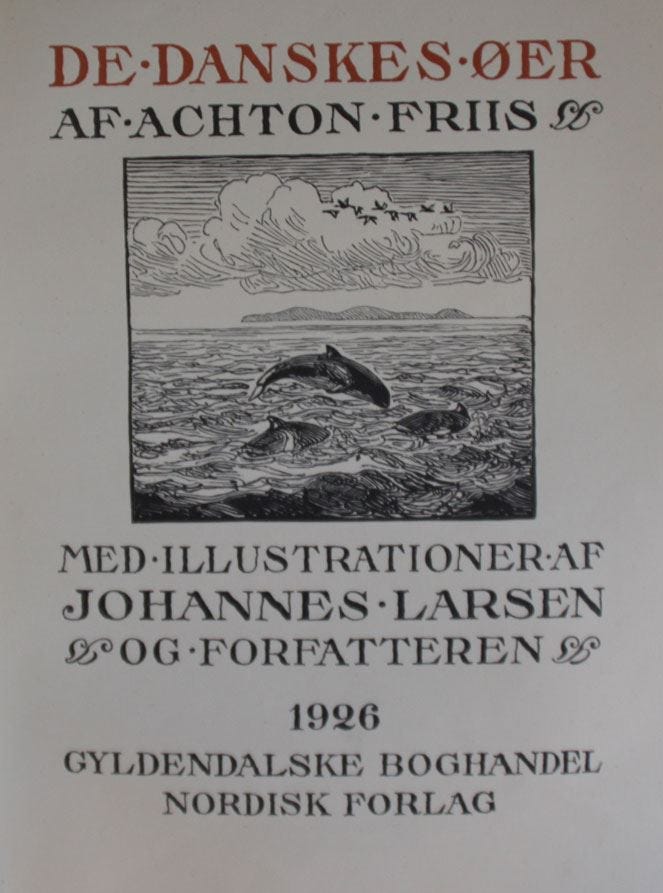
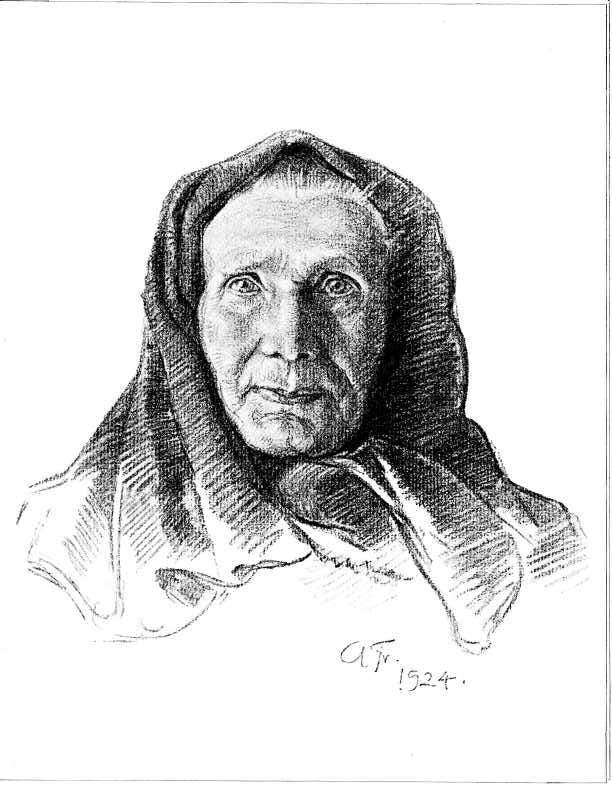
This tale is not from a book of ghost stories, nor from a novel. It comes from the travel journal of the explorer and man of science, Achton Friis, who visited my home island of Læsø in 1924. He wrote about its unique flora, its rare birds, its strange and hardy people—and about something else, something far more unsettling: the sødrukker, the sea-drowner, a revenant. A being that should not exist. And yet, he recorded its presence in his diary as if it was just another bird, island native or place name, and he was not the only one to record such encounters.
That is why I have long been obsessed with these stories. I don’t believe them to be true of course, but the sheer volume of accounts of dead men rising from their graves and haunting the living is fascinating. They appear not just in tavern tales but in court records, newspapers, and official correspondence between respected officials. They are written in such a matter-of-fact way that, as you read, you almost accept them as truth until you pull yourself back to the reality where the dead do not rise to seek revenge.
And that is what sets the draugr of Læsø apart. Unlike the silent spirits of drowned sailors that appeared on the mainland who only pointed the living to the location of where their body was, these revenants were different. They could speak. They were malicious. They brought harm. They were not mere ghosts; they were a curse.
I’ve collected the most interesting stories I could find about them, and I’ve written about the historical event that happened around their appearance and disappearance, and I hope you will read the story of The Island Draugr Plague.
BOOTS
During a harsh winter storm on the 11th of November 1858, the schooner Alexander af Gullholmen strands off Læsøs coast. The schooner was on its way from Flensborg to Gøteborg with bricks. Everyone aboard died and the sea claimed all of them except the skipper who washed up on the shore following the storm. Peder who lived on the farm “På Lynget” translated to “On the heather”, had just been confirmed and was now legally considered a man, and like his father and older brother, he dreamt of becoming a sailor and sailing the 7 seas. But his mother decided that Peder should wait a few years and help on the farm until he was a bit more ready. Angry and upset at the news, Peder went for a walk to clear his head, and he headed down to the beach to look out at the sea that was so alluring to him. In the twilight he saw the body of a sailor. He was at first startled by the sight but then he noticed the man’s fancy boots. He could really use a pair of boots like that he thought to himself. He removed them carefully and ran back home through dunes and heathland.
His mother had warned him about stealing from the drowned, she said that they will haunt those that wrong them, but that’s probably just something she says to scare him he thought.
He carefully placed the boots in his room and collapsed on his bed from exhaustion. In the middle of the night Peder woke up to the sound of commotion and disturbance, he looked around and noticed that the sound was coming from the boots. Peder jumped out of bed and stuck his hand in one of the boots, he was startled and let go of the boot, there was something inside it, he could feel someone’s toes. He picked up the boots and sprinted back to the beach to return them. His mother was right about not stealing from the drowned, so she was probably also right about it being better if he waited a few years before he going off to sea.
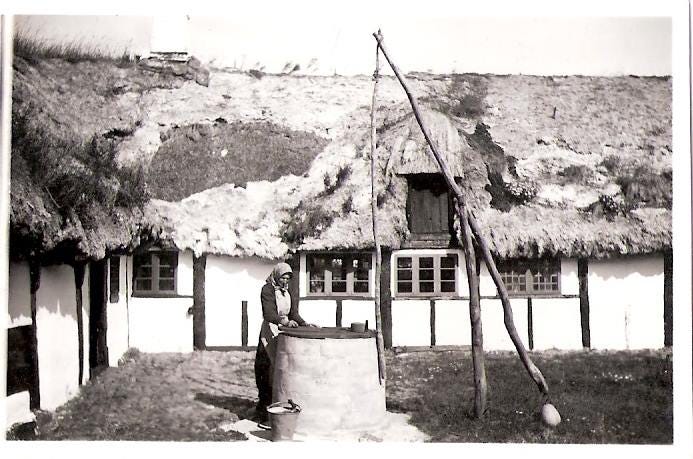
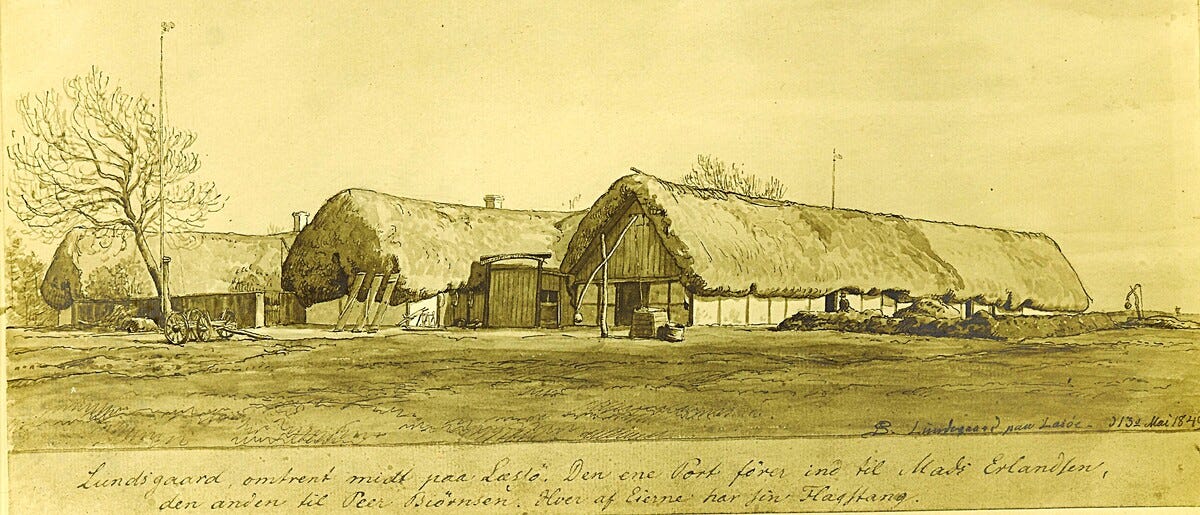
That story allegedly happened in what is now the living museum on the island that portrays what life was like before the age of electricity. The sailor in this story is not known as a draugr, he’s known as a sødrukker. You can split that word up into 2 words, Sø and Drukker. Sø means sea or any body of water really, and drukker is slang for having drank too much, usually alcohol, but in this case it’s having drank too much sea and therefore drowned, so Sødrukker means Sea Drowner... except it doesn’t. Look at the Sjodraugr from folklore, a being very similar to the one on the island, that haunted the coasts of Norway. Did you catch the name? Sjo Draugr, a sea draugr. Sødrukker doesn’t mean sea drowner, it’s just the word sjodraugr with an accent, and that is what these beings on Læsø are or rather were, and why they are so different from their mainland counterpart, they’re sea draugrs, or rather, island draugrs.
A draugr or barrow draugr as they’re also known from old norse faith, was a warrior that had sworn their undying allegiance to their master, and by undying, that meant that when their master died, the warrior had to die too and be placed in the burial mound with their master. Here they would watch over their remains and the treasures that were buried with them, and they would fight off any would be grave robbers that dared to disturb their tomb.
In the sagas, heroes often had to slay a beast, and to slay the beast they needed an artifact used by a hero before them to slay a similar beast, and they had to enter a draugr infested tomb and fight the guardians inside to be deemed worthy to wield the artifact they needed in their quest, or to be worthy of an audience with the long deceased master of the tomb who would give them council on how to succeed in their quest.
To create a draugr, it was said that a person had to die in a position that was not lying down, so either standing or sitting, and sea draugr are created in a similar way by drowning. They too do not lie down when they leave this plane of existence, they die in a state of suspension, a literal limbo. Similar to the sea draugr, the draugr of legend could be bargained with, they had some mastery of sorcery, they would sometimes wander beyond their mounds when they got restless, and they were bound by rules, and would punish those that broke them, harshly.
Unlike the barrow draugr, there are no accounts of sea draugr on Læsø during the viking age. They do not start appearing in records until the mid 1600’s, and then they vanish again by the late 1800’s, and I have a fascinating theory to explain this.
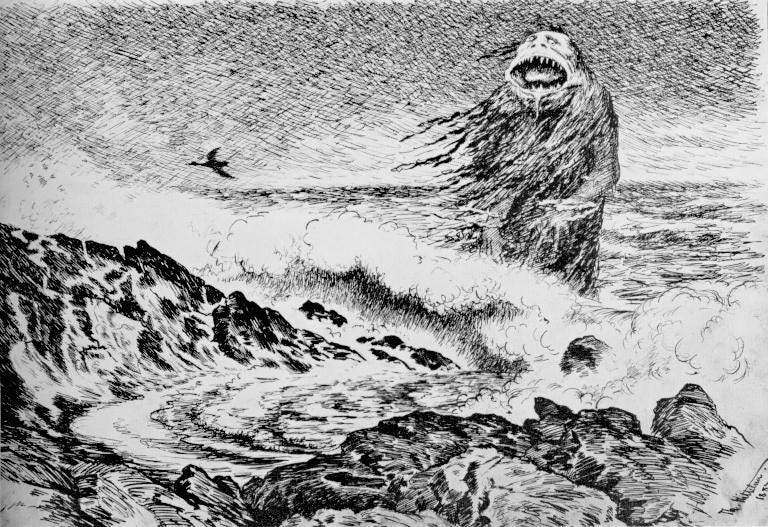
Look at this passage from Achton Friis’s travel journey: Previously, many more sea draugr ended up on shore than now, and it’s because the sea is now consecrated ground it’s said, and therefore does not give up its dead. Before that, there were many old people who had the gift of being able to hear the groans and moans of the draugr in the air, and when they stopped and listened to their cries for help, they would be able to see in their minds eye, the place where the corpses were located, that the sea was giving up.
THE DUNE BEAST AWAKENS
Something in this passage caught my attention, “because the sea is now sacred ground”. What does that mean exactly. Well, I think I might know and it’s way out there.
What I find intensely fascinating about the island draugrs, is that their reign of terror seems to have had a beginning, a middle and an end, and it’s all tied to the islands history and the calamity that happened here, and the gods that call this place home.
Læsø today is famous for one thing, salt, and during the Middle Ages it was one of the biggest producers of sea salt in probably all of Scandinavia. The southern part of the island floods in the winter, and when the sea then retreats in spring, it leaves behind pools of water with a high concentration of salt. The islanders would take water from these pools and heat it over cauldrons at about 80 degrees and the salt would make its way to the top of the cauldron and could be collected. This process required massive amounts of firewood, and as the industry grew and grew, so did the demand for firewood. What the islanders didn’t do was plant new trees, so by the mid 1400’s there were so few trees on the island that you could stand in the middle of the island and see both the west coast, and the east coast... But the islanders didn’t stop there. Heather fields had been growing and spreading alongside the deforestation of the island, and when the islanders ran out of trees, they began cutting up the heather in turfs and using that as fuel… and that would be disastrous. Underneath the heather there was sand, and once the heather was no longer there to keep hold of the sand, it would begin to move.
Dunes would form, some as many as 40 meters tall, which on an island that is completely flat, would probably have been a terrifying sight, and most terrifying of all, the dunes would move. They would snake their way around the island and swallow anything in their path, like the Midgard serpent Jormungandr of legend.
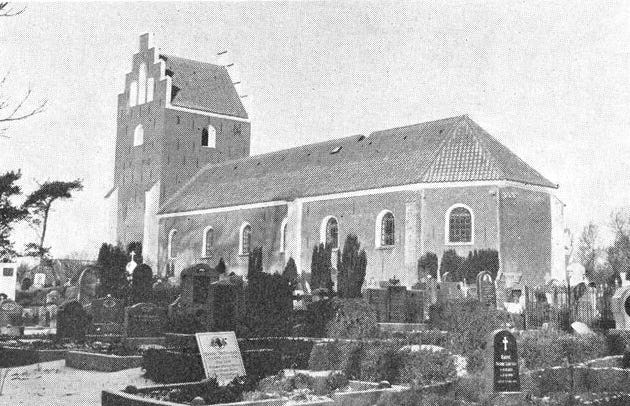
This event was called the sandflight, and during it, a dune that it had given life to which I have nick named “the dune beast”, made its way to Hals on the east coast, and it swallowed up the entire town and demolished everything in its wake, leaving only the church still standing, but barely… And that seemed to have pissed something off.
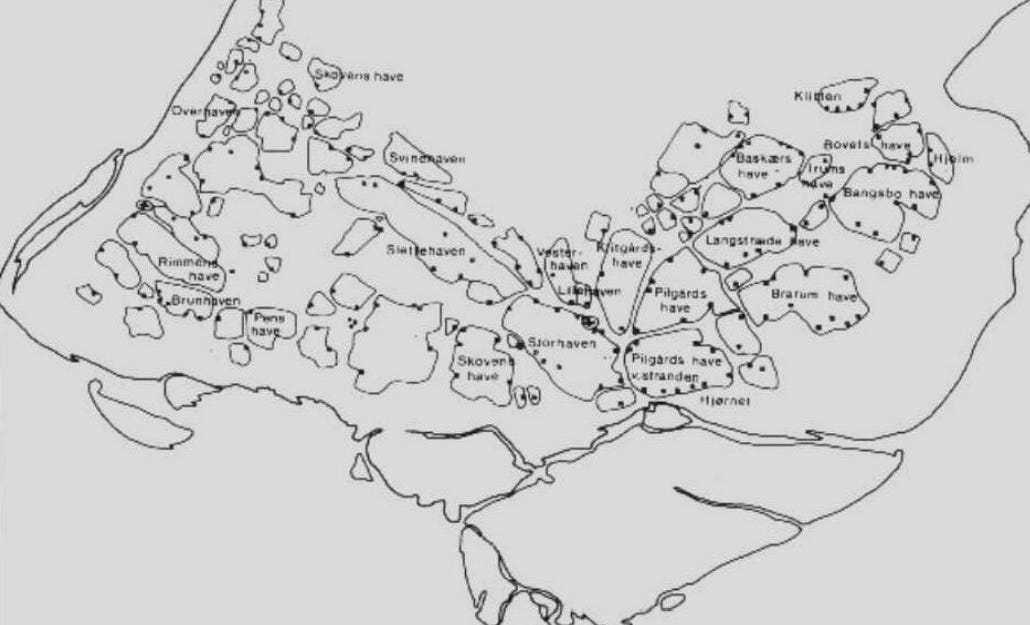
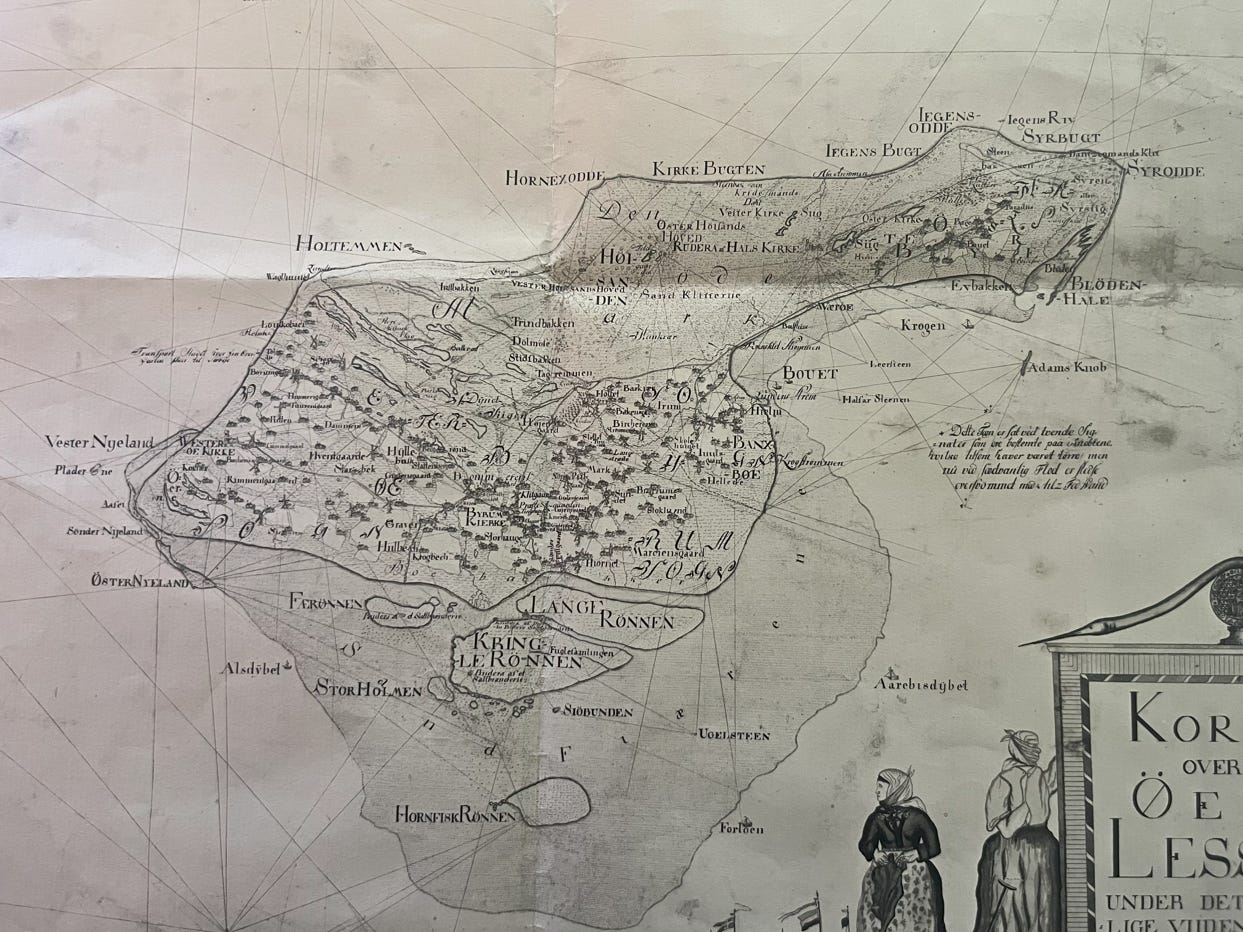
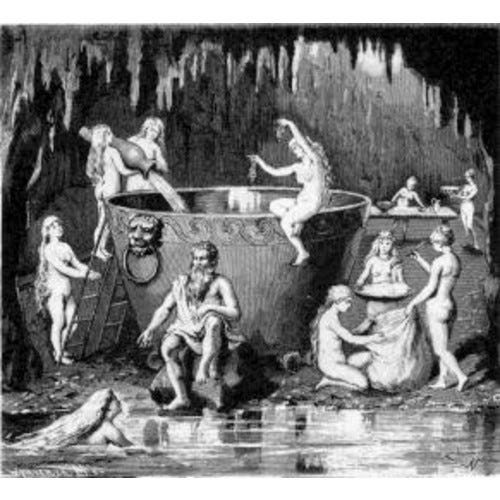
Læsø is the domain of Ægir the sea Jotunn and his wife Ran. They rule over the seas and they are the keepers of its dead. The island is their home, and it’s where the gods come to feast. It’s always been believed that their home was on the eastern part of the island in the Bouet bay, as it seems to be the perfect place to greet visitors from Asgard, and Hals church could very well have been their home before it became a church, as we do not know how old it was before it was swallowed by the sandflight, unlike the other 2 churches on the island that we’ve been able to date back to the middle ages.
We do know that there were Vikings living right near where the church was as late as the 650’s, and we do know that a lot of Christian churches were built on top of funeral barrows, and if there was a settlement here, there would be a barrow nearby where their dead could rest.
And the barrow could be Ægir and Rans home, because in Nordic tradition a home is not necessarily a house, it can just as well mean an eternal home, a resting place, a barrow.
While Ægir is usually known as a god, he is but a man in the sagas. He is a powerful warlock who is so well renowned that he is invited to Asgard to participate in a feast, and in return he invites the gods to Læsø to return the favor. So while he was powerful, he was mortal, and at some point he would pass on into the next life, and he would need a resting place.
There are also a couple of interesting local legends that can be tied to Ægirs Barrow in Østerby.
There is a figure on the island known as the wandering man, he walks right by my house and is always heading east. You can see him in the distance but you can never catch up to him, no matter how fast you walk, run, ride or drive, he will always be the same distance from you, just barely visible in the horizon. He’s been spotted walking in that direction for thousands of years, and he is described as being a tall man with a wide brimmed hat who wears a long black cloak or coat, similar to the clothes that Odin is described as wearing. We’ve of course always wandered why the wandering man wanders, it’s been theorized that his appearances on the island are signs of bad things to come or great change, but what if he’s just stopping by for a feast at his old friends home?
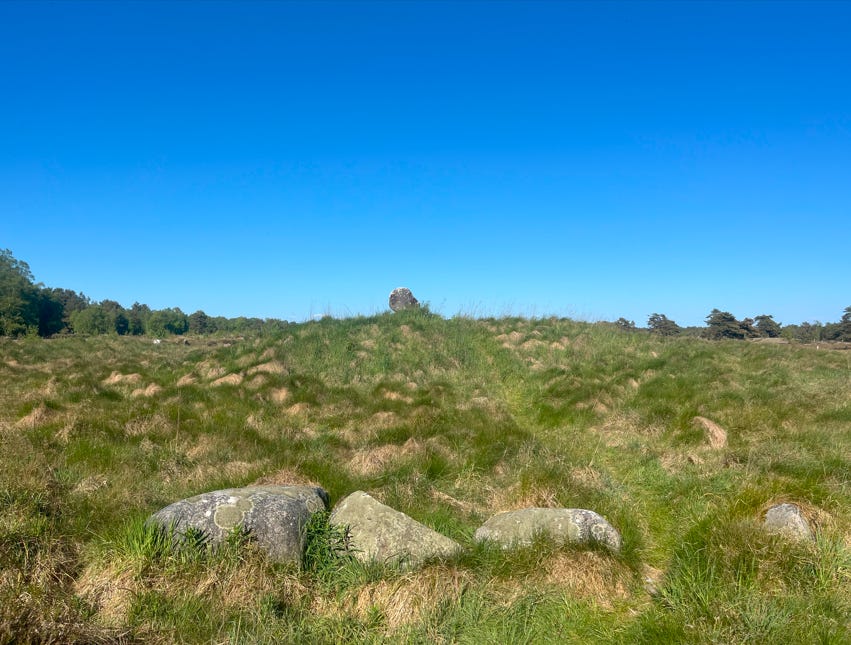
And another thing I noticed when reading about Ægirs feasts was that the trays of food were carried in by themselves with no servants in sight. There is a local legend that the grounds around where the old church is are free of dew in the morning and it looks like something has been dancing there all night trampling down the grass. What if the trays during Ægirs feast wasn’t carried in by themselves, but by invisible ghostfolk, the same ones that also dance at night near what may be his house. These things would also explain his relationship with the world of the dead, that he himself exists somewhere between living and dead, and that his dwelling is a gateway between worlds.
See, Ran, the wife of Ægir was the one that would claim the souls of drowned sailors, and she would carry them to their afterlife. But after the destruction of the church in Hals, she stopped claiming the sailors, and instead seemed to send them to the island. Either as a punishment for the destruction of her home, or because her access to her powers had somehow been cut off because her home had been desecrated, when the barrow she lived, the possible gateway to the underworld, was buried under a mountain of sand.
But regardless of the details, the Draugr’s reign of terror on the island had begun, and it became the duty of the islanders to lay the draugr to rest themselves. Here are a couple of the legends that were written down throughout the ages that explain the draugrs nature, and the islanders encounters with the less than dead sailors that washed up on their shores.
THE SEA DRAUGR COMES
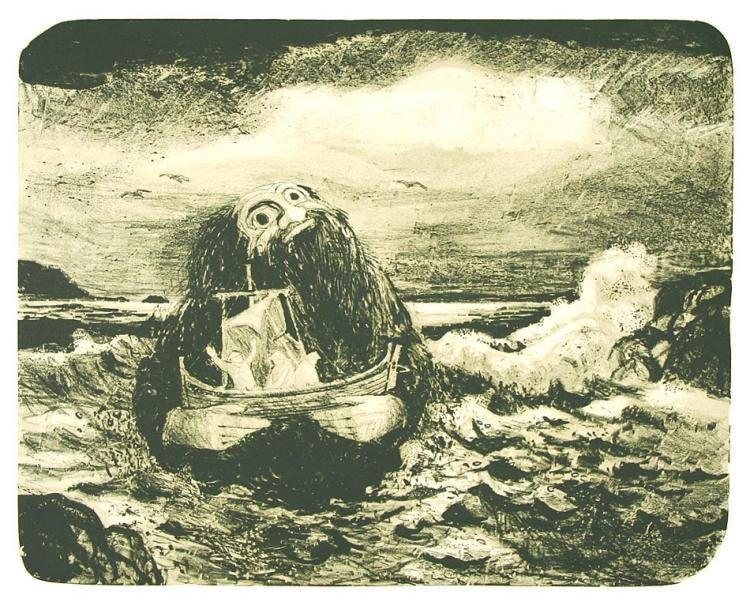
During the age of the sail there were a lot of beachings by Læsø, and a lot of drowned seamen. These people were dead but there was still a life force within them. As long as they were out in the sea, they had no connection to the living, but as soon as they touched the shore, they were granted the power to haunt the area where they lie, to make the living aware of their arrival. Old islanders say that when a sea draugrs chest touches the beach he lets out a terrifying scream. The draugr only haunted until he was found and buried in consecrated ground, and when that happened, he would vanish and never bother anyone else. But until that was done, he would be extremely aggressive in his quest for rest.
The sea draugr is the most dangerous from the moment he washes up on shore, until the moment he is found. He yearns for internment in sacred ground, and therefore he shouts out the moment he beaches, and the one that hears him must yell back “where lie you”. The draugr will answer and give up his location. It’s then up to the living to find him, and the draugr will appear as a specter as the living get closer and point silently towards where he lies.
If you do not hear him, you will hear his footsteps near your house and the sloshing of his waterfilled boots. If he appears like that, it’s often the sign of more sea draugrs to come. Sometimes he will even yell out from the sea before he arrives.
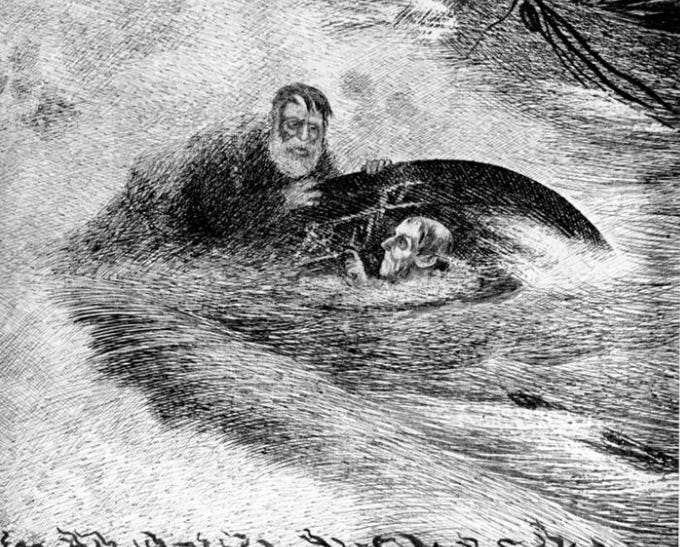
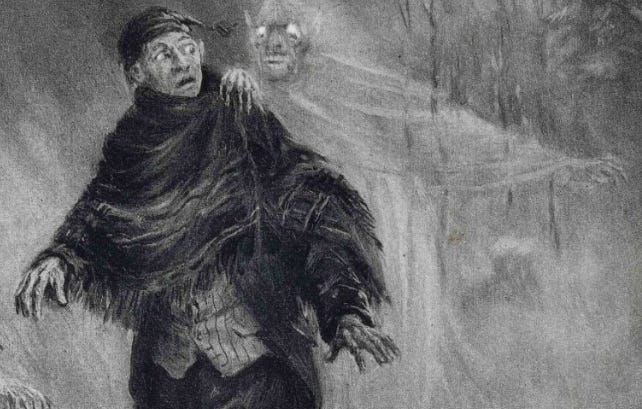
The sea draugr at his core is evil, not only towards those that cross him, but also to those that don’t. If you are followed by one, you must sit down on the ground with your legs crossed and your hands folded, because then the sea draugr can’t see you, and thereforee has to no hold over you. If you don’t, the sea draugr will sneak up on you in the dark and hang on to your back and plead for your help. As an emergency measure, you can draw your knife and stab once behind you to be freed. He will let go and the day after, you will find your knife where you will find the sea draugr. You must be quick and bury him, because if you don’t and he attacks you a second time and you once again stab behind you, you will stab yourself and you will die.
And that is what separates him from the traditional mainland story of revenants guiding people to their resting place and what connects him to the draugr of stories old. He is vengeful and he is corporeal when it suits him.
BARGAINING WITH THE DRAUGR
It's dangerous to rob the sea draugr, but you can receive payment from him without fear of repercussion if you accept his bargain and fulfil your end of it. Once a poor man found a sea draugr on the beach who was still clinging on to a chest full of riches. The poor man began dragging him up the beach and the sea draugr spoke: He who buries me in sacred ground will have everything in my chest. The poor man buried the body at Hals cemetery and took the contents of the chest. His newfound wealth and the rumors of how it was acquired caused a stir in the community. His neighbors tried to force the poor man to share the riches with them, but he made them follow him to the cemetery where the sea draugr spoke from the grave: “What I have given you is yours, and no one shall take it from you without getting their fingers bloody”. After that, few dared to ask the man about his newfound wealth, and even fewer dared think about taking it from him.
THE LAUGHING DRAUGR
An interesting story comes from Manaisse of Juhlsminde farm, the woman that started my obsession with this phenomenon, because she is the woman that Achton Friis interviewed during his visit to the island. Her story begins like many other draugr stories: A young girl was wandering on the beach at night and she found a sea draugr who was wearing a shirt with a nice gold button on the collar. She tried and failed to rip the button off, but then she got the idea that maybe she could bite it off, so she leaned down to do just that and got close to the sea draugrs face, and as she got face to face with the man, he opened his mouth wide open and let out a foul laughter. The girl sprinted back home and was left in shock for days after the event.
DO NOT STEAL
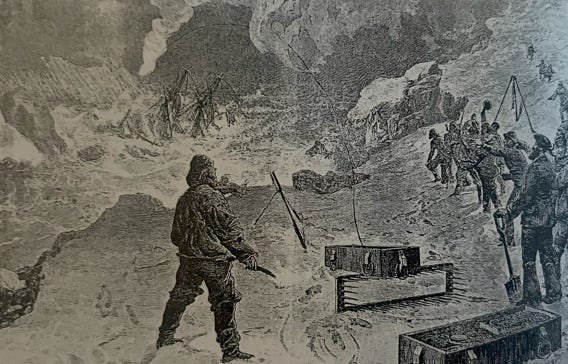
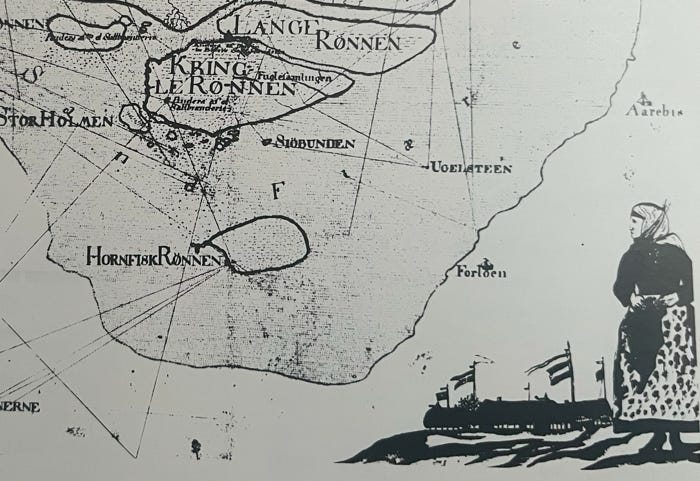
Sometimes Draugr had valuables on them, and pity on those that helped themselves to those valuables without paying the Draugr back with a proper funeral. A man had found a draugr by Hornfiskrøn south of Læsø. When he examined the body, he found some gold coins in his purse. He pocketed the money and gave the Draugr a hasty improper funeral, and from that day on he had no peace from him. The Draugr would show up to his home and cast blame on him for not providing a proper funeral, a service the Draugr had paid for with his gold. The man ended up going out to Hornfiskrøn where he dug up the Draugr and he gave him a proper funeral at Byrum Cemetery. For the money he stole, he bought a chandelier which he gifted to the church, and it still hangs there today.
YOU WILL COME TO HIM OR HE WILL COME TO YOU
A young girl and her mother were walking along the coast. They heard a terrifying scream yelling out “oh no oh no oh no”. The girls blood froze to ice from fear, but her mother worked up the courage and yelled back to the draugr: “lay calm, we will get you in the morning”. Then the screamer stopped, and then the girl and her mother returned home. They told the neighbors what they had experienced, and early next morning, some of the men drove down to the beach and found the draugr and buried him.
If the draugr was not found he would sometimes go and visit the nearest farms to where his earthly remains were located. He would knock on the windows but when people came out to see who was knocking, no one would be there. But if they yelled out “where lie you” he would answer and give them the location, and the day after he could be found there.
Other draugr were less subtle and would walk up to the nearest farm and knock on the windows, and when the living came out to see who was knocking, they would see a sailor standing In front of them soaked to the bone, and he would tell them where his body was, and then he would vanish into thin air.
One time on a farm in Vesterø, the residents heard how the outer gate was opened, and then a man came walking into the courtyard wearing boots so wet they were audibly sloshing. The woman of the house quickly nailed a cross to the door to the house itself so the ghost couldn’t enter, and the next morning the entire household were up very early so they could find the draugr and give him a proper burial so he wouldn’t give them a repeat performance of the night before.
THE PLAGUE COMES
It was through the sea draugr’s evil that the great pleague in the beginning of the 18th century came to the island. An old man found a sea draugr at the beach, but when he wrapped his arms around the draugr to drag him to the cemetery, the sea draugr opened his mouth wide open and sprayed the old man with the plague. The old man died immediately after getting home, and at his funeral, as the coffin was being lowered into the earth, a black cloud erupted from it, and it slowly enveloped the gathering around the funeral procession, and shortly after they all died, and that was the beginning of the plague’s terror on the island.

THE AGE OF MAGIC ENDS
During the height of the Draugr’s terror, the islanders went to war with the dune beast. As it traveled through Højsande, they blocked its path with a barricade of dead shrubbery to slow it to a crawl, and then they threw heather turfs unto its back to weigh it down which brought it to a complete stop, and with that, the dune beast was defeated.
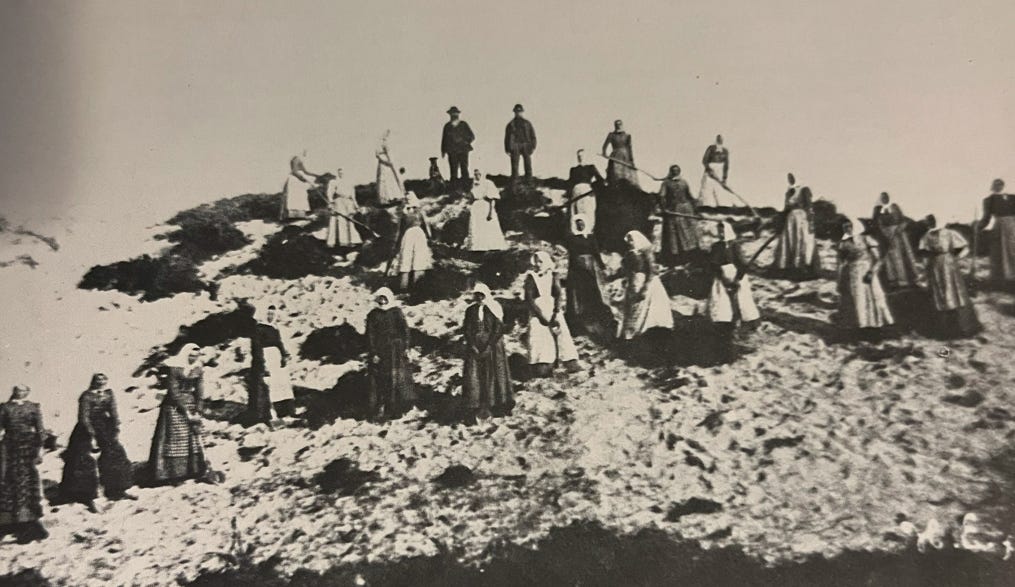
For hundreds of years, the islanders would make a yearly journey out to its resting place to tend to its grave. Not to honor it, but to make sure it didn’t come back. They would mend any holes in its heather clad coffin with twigs and then cover the twigs with sand to make sure they stayed in place. A man named Svend Strøm Svendsen, a possible ancestor of mine and a man I’ll write about later when I talk about Jørgen Pyh the Troldkat, can be seen here leading group of people tending to the beast’s grave.
It still lies out here in Højsande. I call this its grave, but it’s not dead. Over the last 10 years, holes have started forming around its grave site once again, and maybe one day it will be free again. Rising from its resting place like Jormundgandr the world eater, to wreak havoc upon our community, to punish us for not taking care of the land around us, like it did 400 years ago.
With the dune beast slain, the north coast of the island was finally at peace, and the islanders built a new church near where the old Hals church was to replace it. Østerby Kirke finished construction in 1867, and with it complete, it seemed like the age of magic, and the curse of the draugr, was over. A few draugr here and there would wash up on shore from time to time, but they were noticeable politer in their quest for peace. Nisser became an increasingly rarer sight on the islands roads and pathways, the dwarf dune became quiet, Stick Niels rarely appeared, even when people made jokes at his expense, and the Troldkatte became fewer in number, and their abilities less powerful.
The draugr becoming calmer and less intrusive can be seen in how encounters with them are described post 1867. They are no longer attacking people or carrying the plague and spreading it, they just want peace.
We can see it in Achton Friis’s own accounts. He went to the Nordre Rønner archipelago off the north coast of the island, and he interviewed the Lighthouse Keeper there about an encounter his grandmother had with the draugr. She was in service at a farm near Vesterø, and the owner of the farm was one of the old islanders who could hear the draugr. One day he stood outside his farm and he heard a faint cry for help yelling out: “I’m lying in Store Dal”. The voice repeated this many times, but when the man finally replied “I will come get you tomorrow”, the voice quieted down. The next morning the old man drove out to Store Dal and found the draugr, he provided him with a proper burial in consecrated ground, and the draugr was at peace.
And we see the calmer draugr again in the book Language on Læsø which was about life on the island in the late 1800’s, it actually features Svend Strøm Svendsen from earlier heavily in the narrative, but this time not as an associate of a Troldkat, which is a story for another time or a tender of the dune beast, but as a hero who sails out and rescues the crew of a beached ship. The storyteller in the book mentions that supernatural beliefs have faded, and that few believe in that stuff anymore, except the old folk. He retells the story of how his grandmother as a child was playing with some kids outside near Bangsbogård when they heard a loud yell for help. They ran inside to tell the bailiff who was the owner of the farm, and he walked outside and yelled back at the cries for help: “Rest until tomorrow and we will be with you then”, and just like that, the yelling stopped. The next morning, he drove out to the beach and found the bodies of two Swedish girls and brought them to the local priest, because it was his job as the bailiff to collect the draugr.
The only time we see a cruel draugr appear after the construction of the church is a year after in 1868. An old roofer is tormented and tortured by his son and daughter-in-law. On his death bed he threatens his kin that as long as his nose faces the sky, he will be around to haunt them. He dies soon after, and the very same night that he passes, he comes back to haunt them. After being tormented for some time, the son and daughter in law sneak into the cemetery where he is buried, and they unearth the old guy and turn him nose down in his grave to put him to rest. Whether or not that helped is unknown, but they were both charged with grave desecration, and we have surviving court records of the trial that followed.
But I don’t think that old man was a draugr. Since way before the draugr came to the island, there were tales of Dødninge, or revenants as they would be known better as in English, who also appear elsewhere in Scandinavia, and in places like Norway they defended the living and went to war with the draugr.
In ancient Norse Legends, a dødning was a warrior who was slain in battle and carried off to the afterlife, but who was unable to find peace in the halls of Valhalla and therefore had to return to the world of the living to finish his business. The most famous story of a dødning is Læsøs own Helge Hundingsbane from the sagas, who returned to his wife to say farewell, and the island has its own version of this tale.
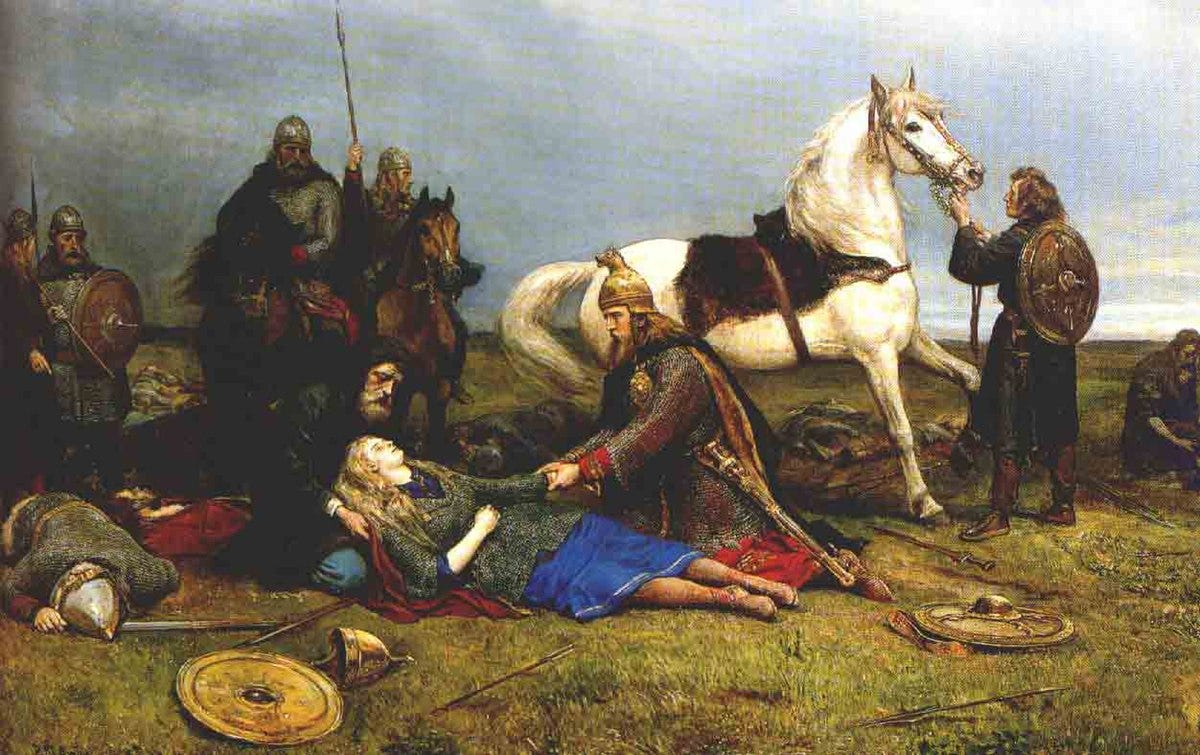
A young girl sat with her housekeeper and kept watch over the patron of the house’s body. When there was a tap on the window, the girl opened the door to the outside and saw that it was her betrothed, who was a dragoon in the military over on the mainland. He asked her to follow him, and she did, and they walked in silence for a while, but then he turned to her and asked: “Is it true that you will follow me in life and death, like you have promised?” to which the girl replied “Of course!”
They arrived at Hals cemetery and here the dragoon tied his horse to a post and asked his betrothed to follow him inside the holy grounds. “Are you afraid of me” he asked, and the girl replied “No, I am not”
He found a shovel and started digging a grave. The girl was then suddenly reminded of the unsettling nature of her promise, and she realized that her betrothed must be a revenant.
The girl ran home to her housekeeper who barely laid eyes on her before exclaiming “I can see that you have been in the hands of a revenant”
The girl and the housekeeper then made sure to turn the body of the patron with his nose facing down so that he wouldn’t come back to haunt them like the dragoon.
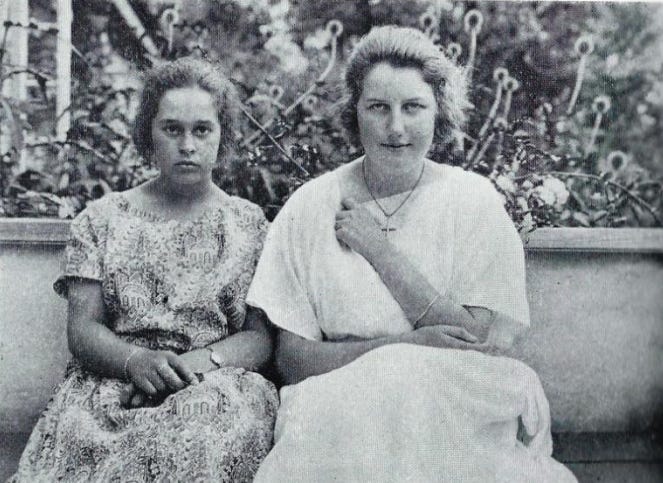
The draugr weren’t the only ones that were changing, life on the island was changing as well. It was time for islanders to stop running ships aground and find other ways to make a living, it was time for the men to finally come home from a sea and become part of life on the island and their own households, not just infrequent visitors that their wives had to put up with for a few months every other year. By 1924 when Achton Friis visited, he could sense that things were changing, almost like there was something in the air. He knew that the islands unique way of life was over, the island itself just hadn’t realized it yet. Its customs, traditions and its people changed, and by 1960 they were just like everyone else in the kingdom.
And that’s not a bad thing at all. I don’t think life back then was better or worse, I just think it’s important to preserve at least the memory of how things were and I hope you’ve liked this look into the unique folklore that shaped the lives of the people around here.