
The Mysterious Island Monument
How local folklore solved a 5000 year old archaeological mystery

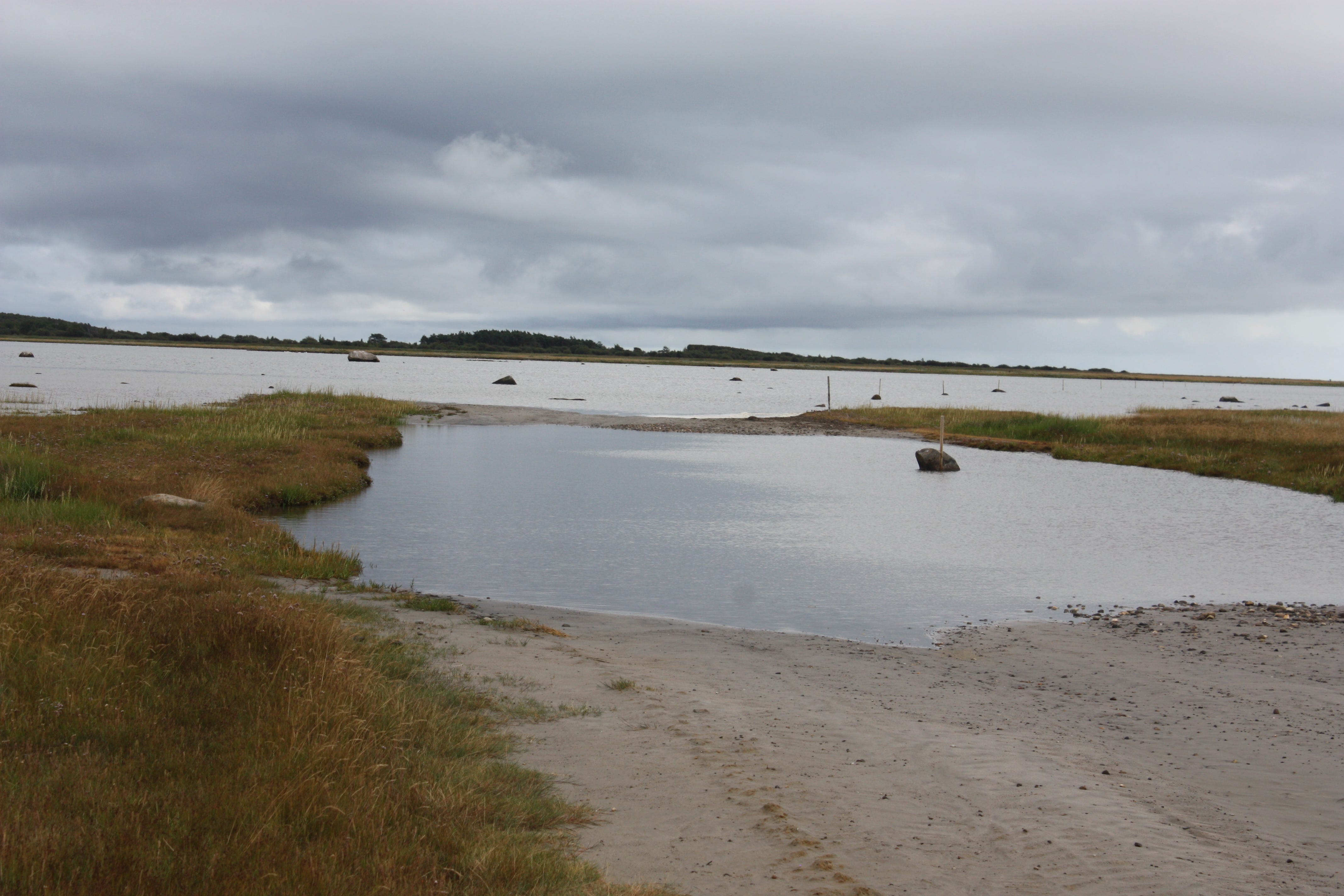
There is a story from the 1700’s about a man walking along this very shoreline. A ship has recently wrecked off the coast and valuable salvage has started to drift inland. Bigger and more organized salvage parties have gone out to the wreck itself in small boats to secure the most valuable cargo, and the local tax authorities will have their hands full making sure they get their cut of that bounty on behalf of the crown.
So whatever valuables the man can find here on the beach, he can probably take with him home without having to pay the tax man his dues. We don’t know if he found any valuable beached cargo, but we do know that he came across the corpse of a beached sailor. He robbed him of his most valuable possessions, gave him a hasty burial so no one would be able to spot the corpse from a distance, and then went home.
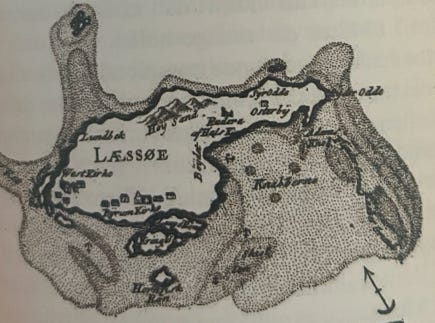
But we’re on the island of Læsø, and here the dead do not stay dead unless they are given proper funerals in consecrated ground.
So, the sailor he robbed came back later that night as a draugr, and he showed up at the man’s house and demanded he be given proper funeral rites. The sailor made the argument that since the thief had taken his purse, the sailor had paid for his own funeral, and he expected the thief to give him one.
The next day after what I assume was a terrible night’s sleep, if he got any at all that is. The man made the journey back out to Hornfiskrøn where he originally found him, and he exhumed the sailor and dug him a proper grave. To mark the grave, he build a stone structure which still stands to this day, and he used the money he stole to buy a chandelier that he donated to the local church.
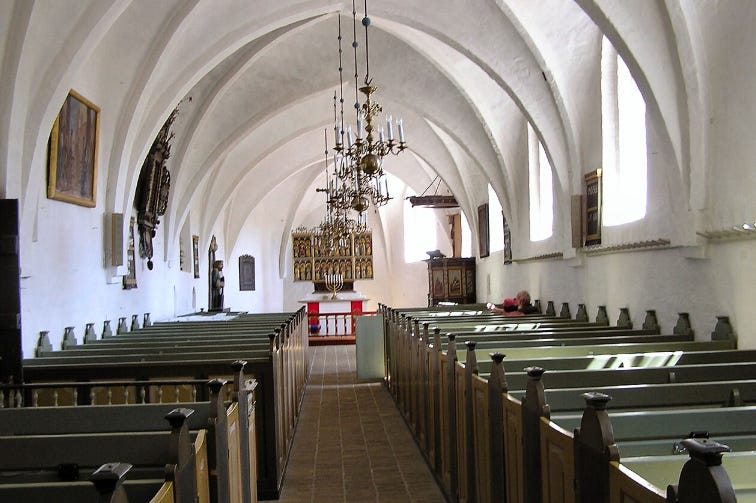
It's a good story but I don’t think it’s true. For one there is no record of any of the church’s chandeliers being donated by a man who was doing it as penance for wronging a draugr. The church has kept records of all the chandeliers that hang in it, and who donated them, and chandeliers like these aren’t and weren’t things you can just go out and buy, especially not on this island.
And something just didn’t sit right with me about the grave, so some time later when I was in the area, I decided to go pay it a visit. When I arrived at the site, I got that feeling you sometimes get when you know you’re not alone in a room and you feel like something is watching you, but you can’t sense who or what.
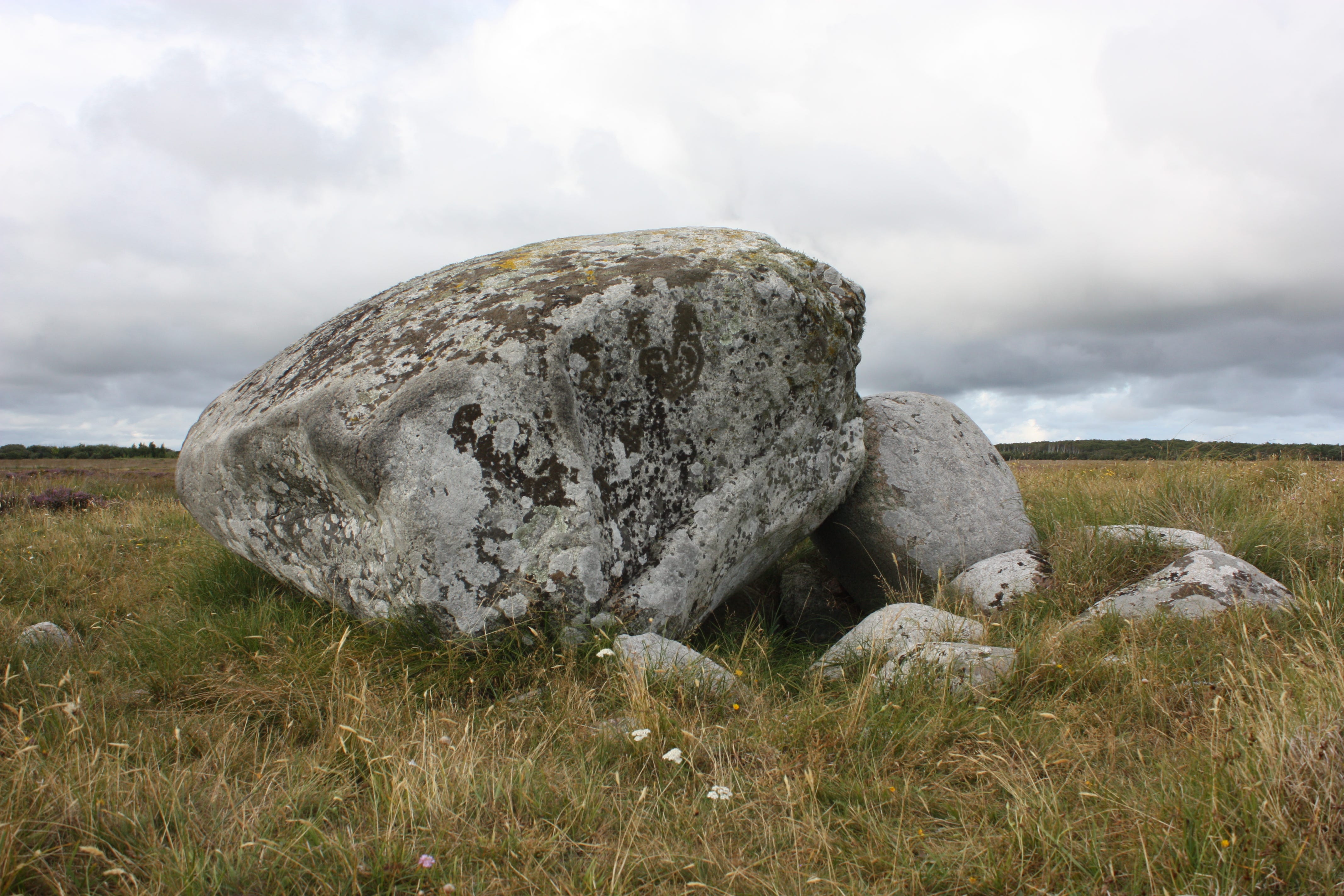
I couldn’t put my finger on what wasn’t adding up, so I went home, and life went on. But over the last 6 months figuring out what this thing is and why the story doesn’t add up became an obsession of mine, and it lead me to making what may well be one of the bigger archaeological discoveries in this country in recent times, and the fascinating thing is that I didn’t uncover this structures mysteries by excavating the site, I found the answers I was looking for in the local folklore and in the Icelandic sagas, and today I want to tell you the story of the Mysterious Island Monument.
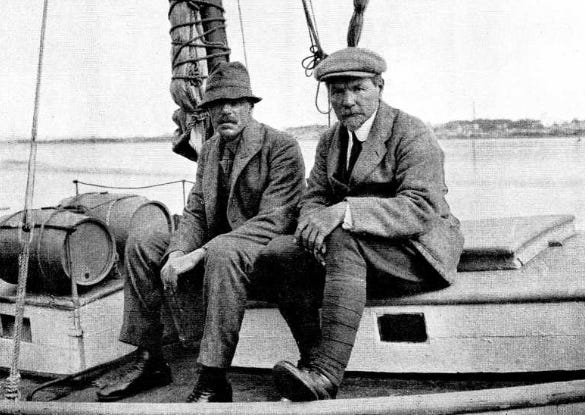
Let’s start at the beginning. I learned of this story because I was reading about my local area’s history. I was reading a travel journal by famed Danish explorer Achton Friis. He visited my island in 1924, and he wrote about the people that lived here, the flora and the fauna. He was a man of science, and he wrote about everything he saw and with the kind of detail that only a dedicated scientist and scholar could. But he also wrote about Sea Draugrs, the vengeful spirits of dead sailors that came back to get revenge on the islanders that dared to rob their corpses, and he wrote about these things with the same level of detail and matter of fact way that he did everything else, and that fascinated me.
I had to know more so I investigated these beings, and throughout my research a place name kept appearing over and over again: Hals cemetery.
On the island there are 3 towns, Vesterø, Byrum and Østerby, but before there was Østerby, there was Hals. It was located a couple of kilometers west of where Østerby is today, and it was destroyed in an event called the Sandflight in the 1600’s. The islanders had felled all the trees on the island and with no tree roots to keep the ground in check, sand gathered into massive dunes, and they traveled around the north coast and destroyed everything in their path, and one day a dune swallowed Hals’s church and destroyed the surrounding town.
So, what does that have to do with the draugr? They only start appearing in our historical records after the church was destroyed, and they disappear from the records after the new church in Østerby was built, and the surviving inventory from Hals church moved into it.
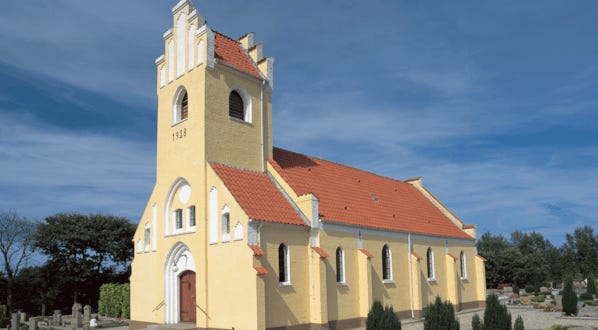
Almost like destroying that holy place angered the gods and sent the draugr to the island and rebuilding that holy place calmed the gods again.
But I don’t think it angered the man upstairs because something stuck out to me that Friis wrote about the cemetery.
“There was always an unease in that place. When people arrived at the grounds early in the morning, there was often a round spot where the grass had been trampled down and was free of morning dew. It was evidence of the dead having danced there at night”
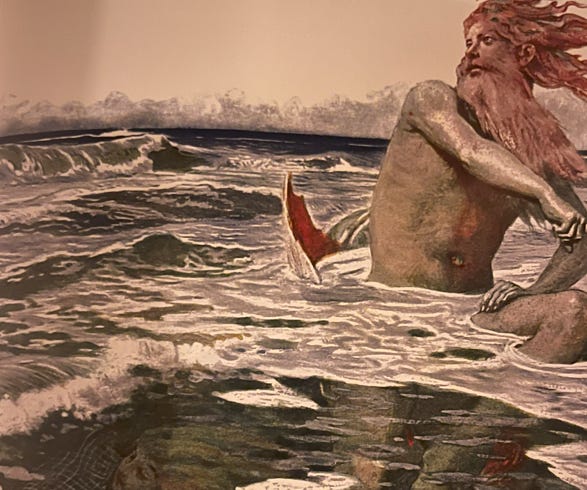
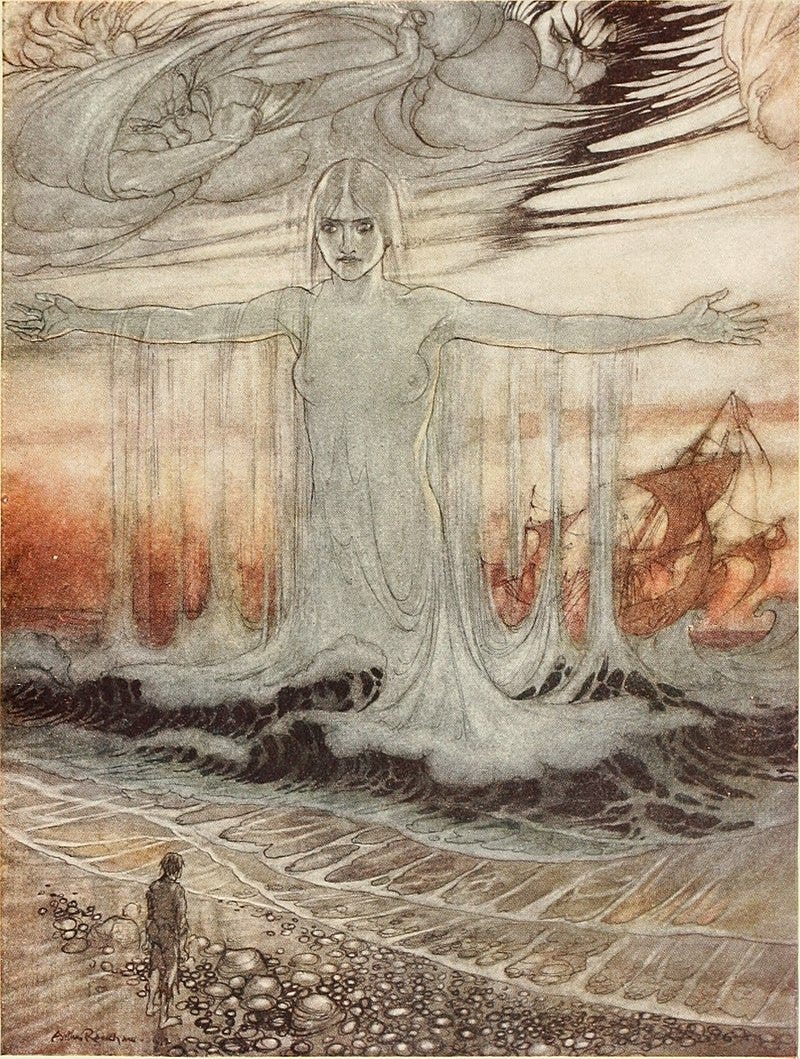
Which reminded me of something from the sagas. See Læsø is the home of Ægir and Ran, the Norse gods of the sea, but in the sagas themselves Ægir is a powerful but mortal warlock who gets invited to feast with the gods because of his mastery of sorcery and unmatched mastery of brewing mead.
They have a grand time at their feast, and Ægir then invites the gods to come to a feast on Læsø, and they dine in his subterranean hall. The gods are very impressed that the trays of food aren’t carried out by servants, but seemingly just float through the air and place themselves in front of the guests.
But what if the trays didn’t float through the air, what if they were instead carried out by invisible ghostly servants, like the ones that dance on the cemetery grounds at night and trample the grass.
What if Ægir’s subterranean hall is located where Hals’s church once stood? His wife’s role in the Norse pantheon is to ferry the souls of dead sailors into the underworld, which would have been her home, and if the church was sitting on top of a gateway to the underworld, it would have been buried along with the church, and Ran wouldn’t have been able to ferry the souls to the underworld, because the gate would physically be shut.
While that story is obviously impossible to verify, we do know that the Vikings had a settlement nearby where the church was, and if they had a settlement, they would also have a burial site, and since Ægir was a mortal, he would at some point need to be buried, as would everyone else that lived here on the island, even before the advent of Christianity.
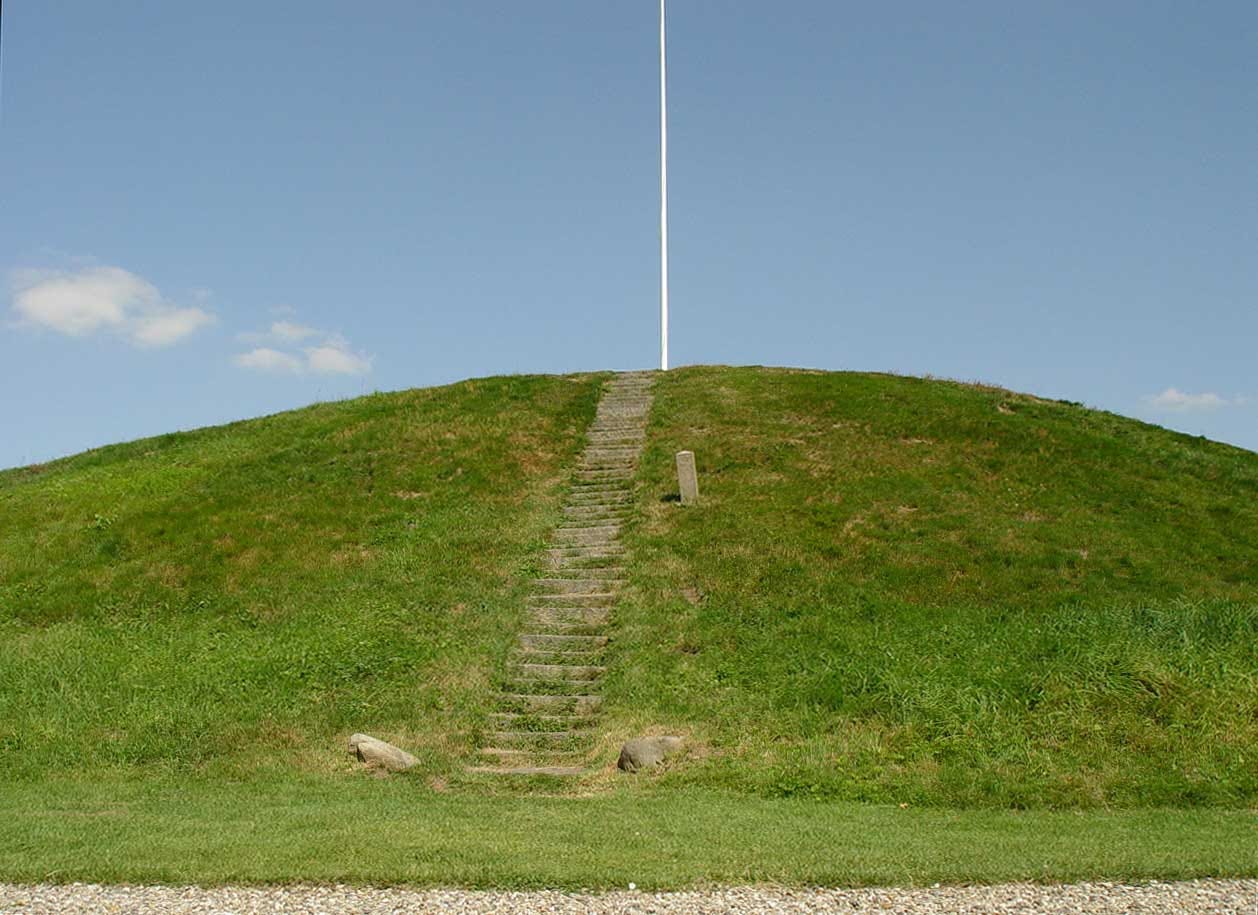
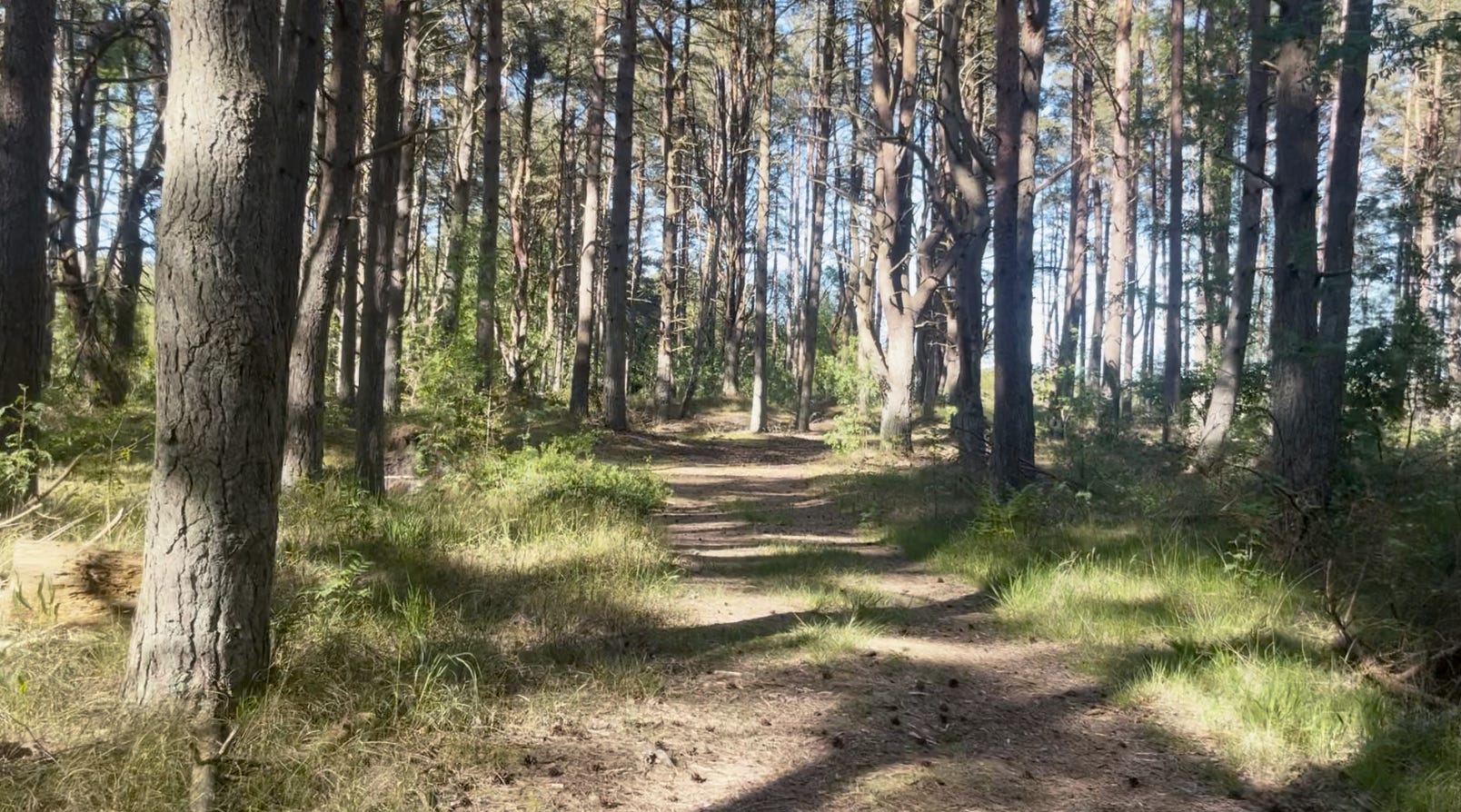
A typical Viking burial site looks like the above picture, and the site where the remnants of Hals church stands today looks like this.
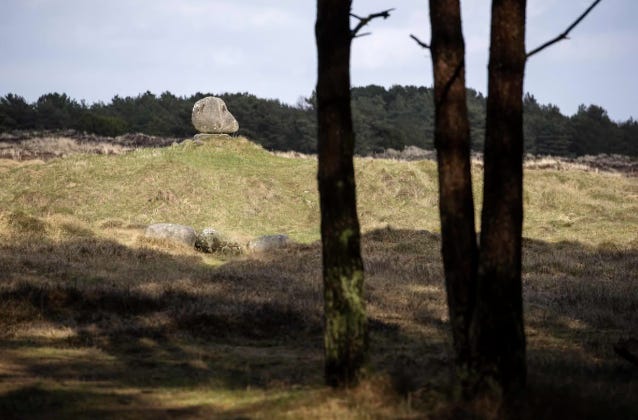
Yes, that’s a viking burial mound that was hidden under a Christian church for a couple hundred years and yes, it is probably the origin of several stories from the Norse Sagas. But it might be older, because this style of burial mound wasn’t an invention of the Vikings, it was used all the way back in the megalithic and neolithic era where they replaced the dolmen burial mounds at some point during the transition between those two time periods.
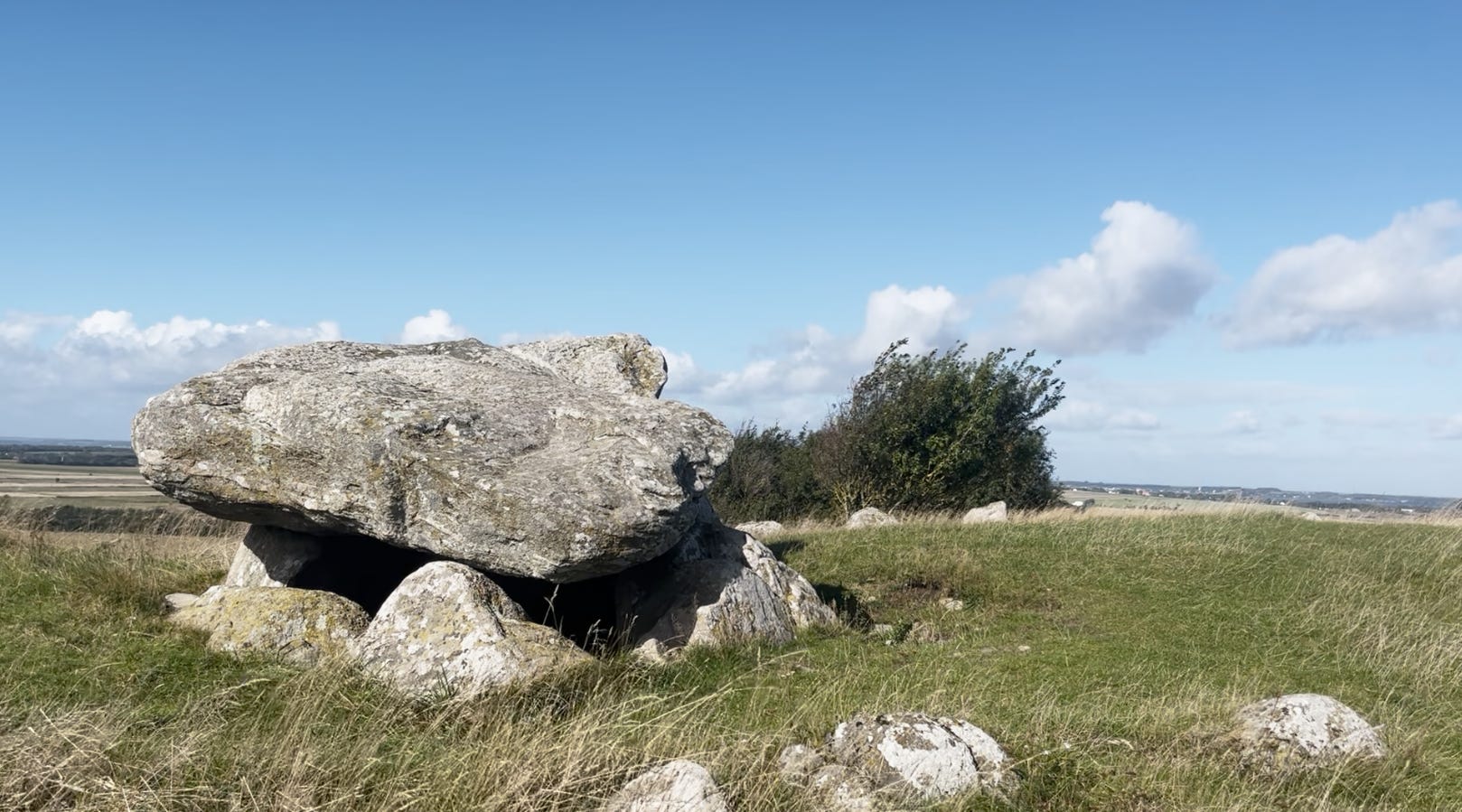
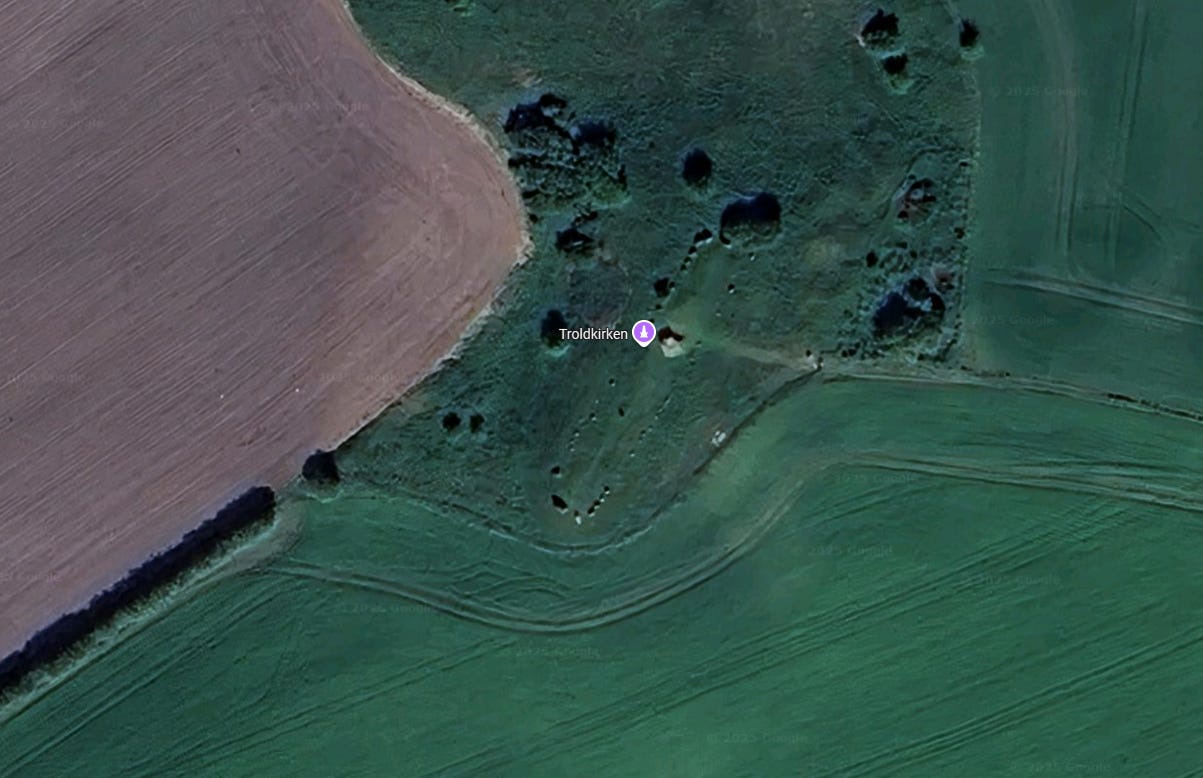
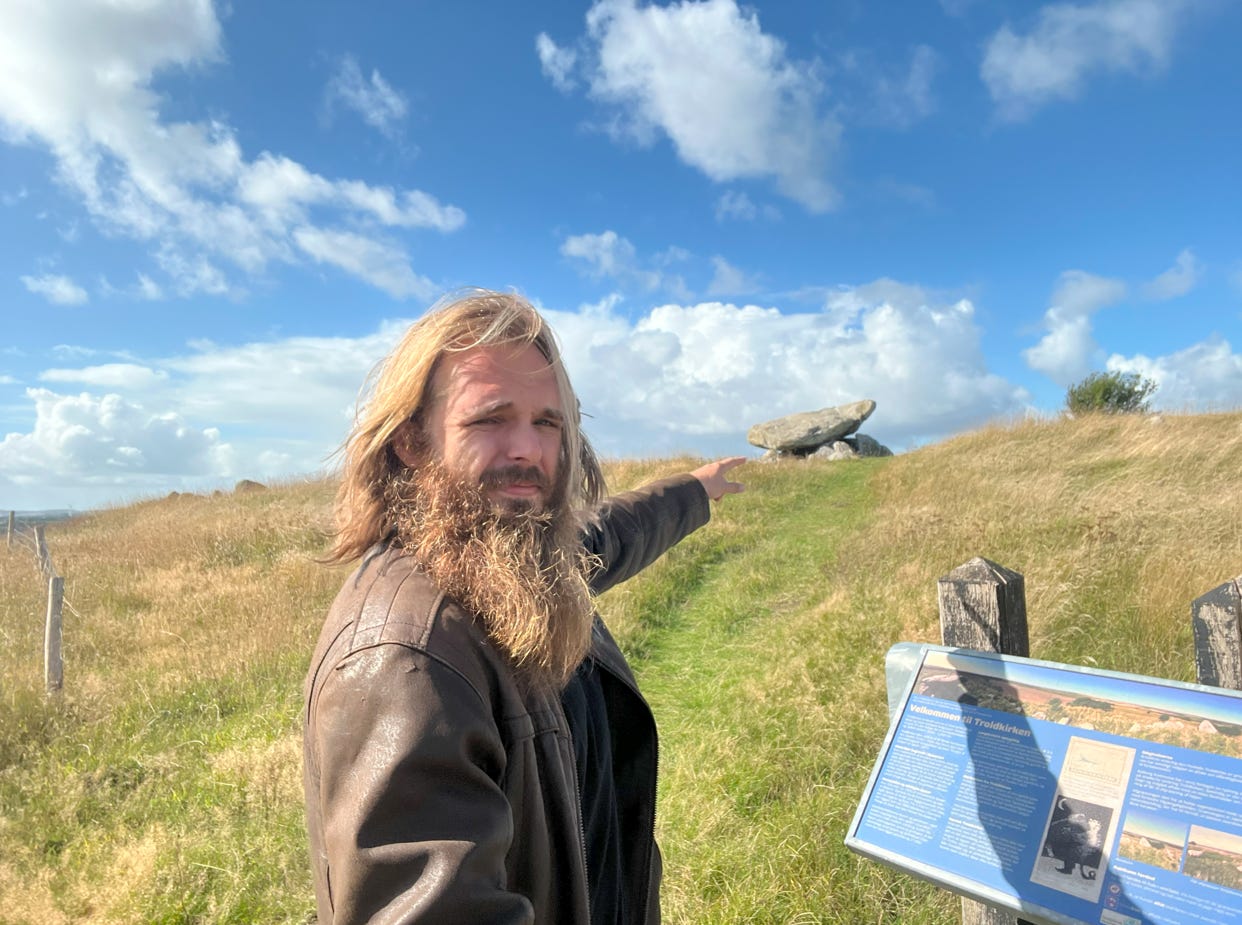
Dolmens look like this if you’re curious. This is the Troldkirke near the town of Nibe on the mainland, and it’s one of the most famous neolithic sites in Denmark, and one of the most well-preserved ones.
Yes, the mysterious island monument is a dolmen from the early neolithic era or stone age as we also call it, left behind by the funnelbeaker culture. We know they were here, we’ve found fragments of their tools and the pottery that gave them their name, but until now we haven’t found any trace of settlement on the island, and it was believed that they only stayed here temporarily, probably during seal hunting season…. Until now that is, because well… Yes, look at it, it’s there. If they took the time to build this to honor their dead, they must have lived here on a more permanent basis.
But how do we prove that this is a structure left behind by the Funnelbeaker culture?
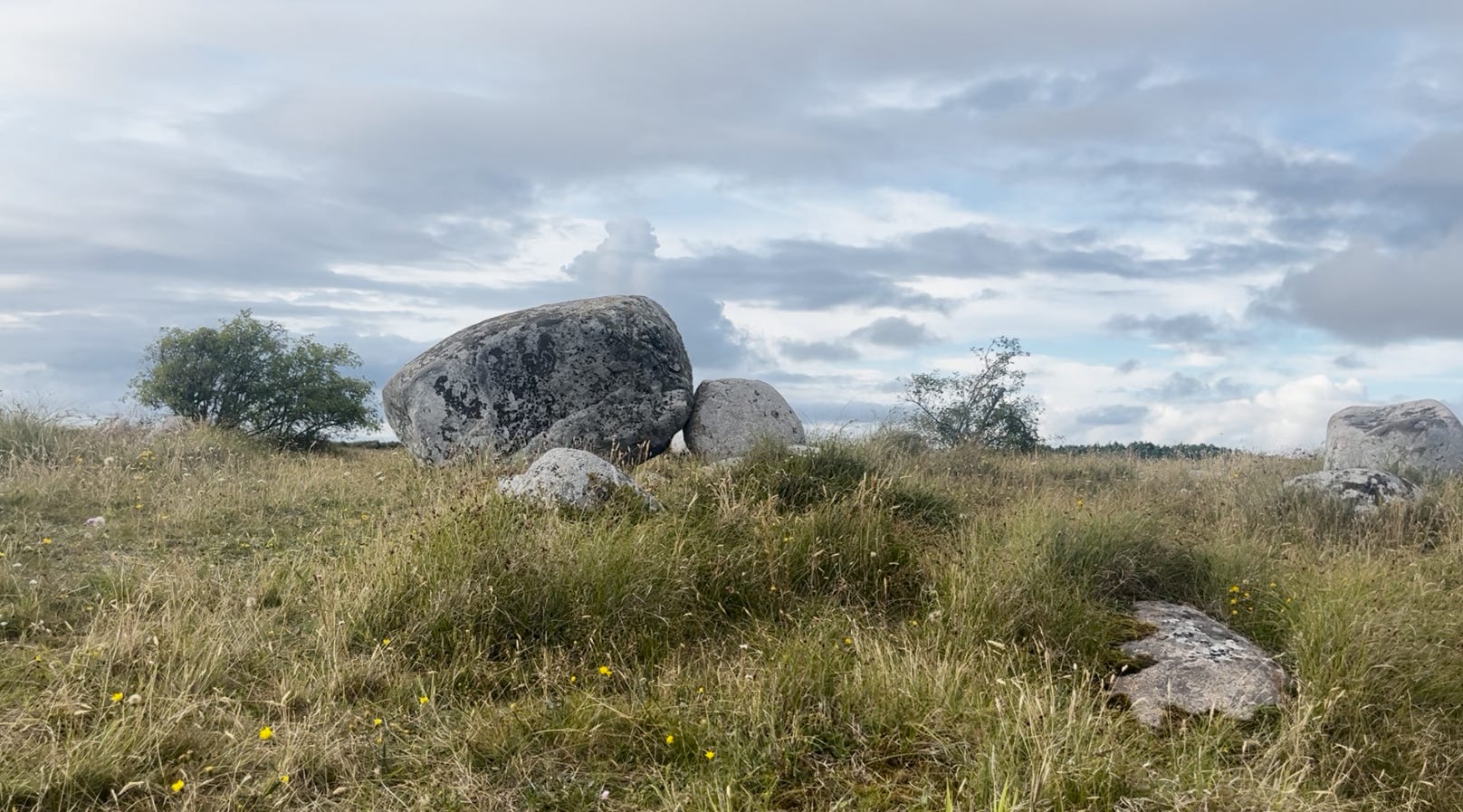
Let’s go back to the dolmen on the mainland and let’s compare the two sites.
We know from local legends about the Troldkirke on the mainland that the locals named it that because they thought it was the work of the devil, because only the devil would be able to move boulders that huge. It was impossible for the the peasants to fathom the construction of anything bigger than whatever the largest church around them was, and if a whole community can’t even begin to comprehend how to construct something like this, then one guy on an island definitely didn’t have the knowledge or the technology to do it all by himself.
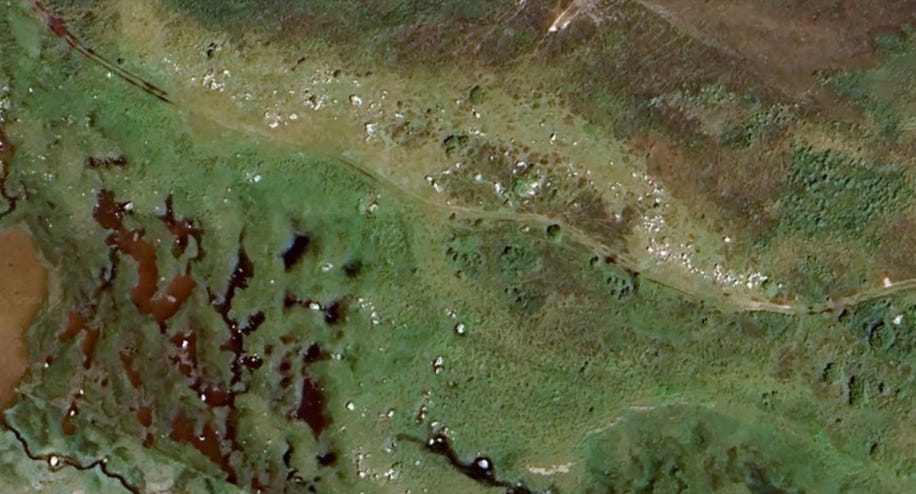
Around the dolmen itself we see that just like the one on the mainland, the one on the island has a clear outline of boulders that form a ship shape, with the dolmen in the middle acting as kind of a sail for the ship.
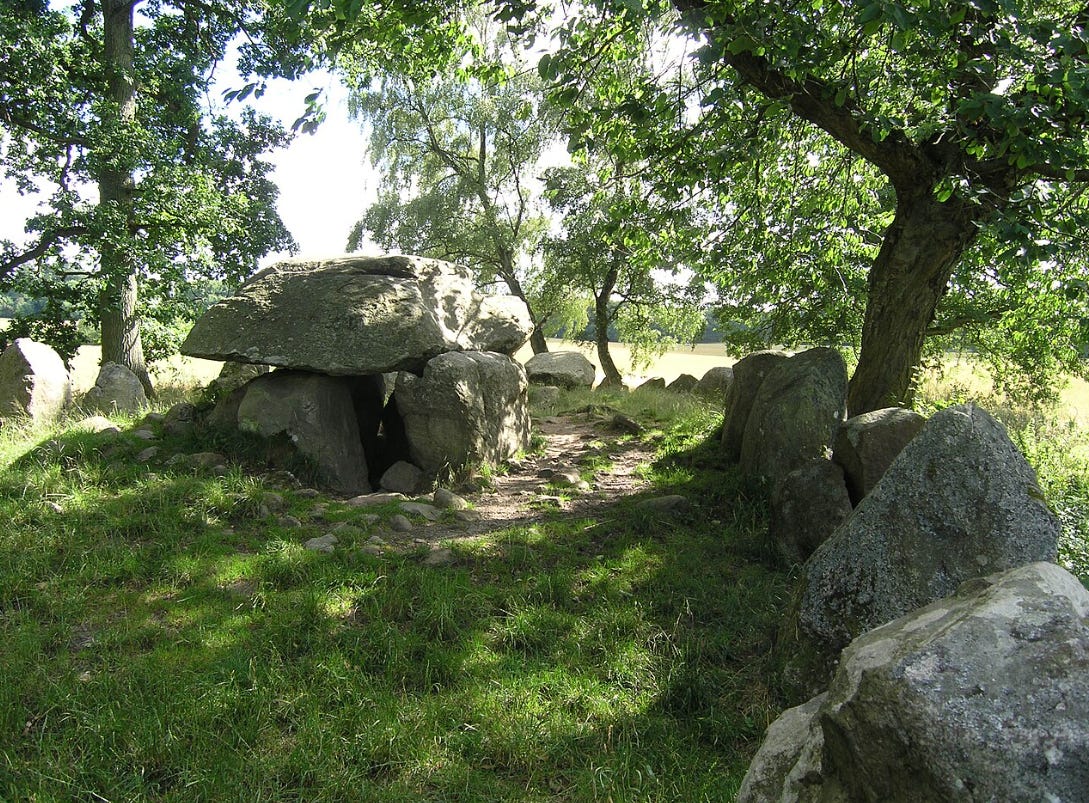
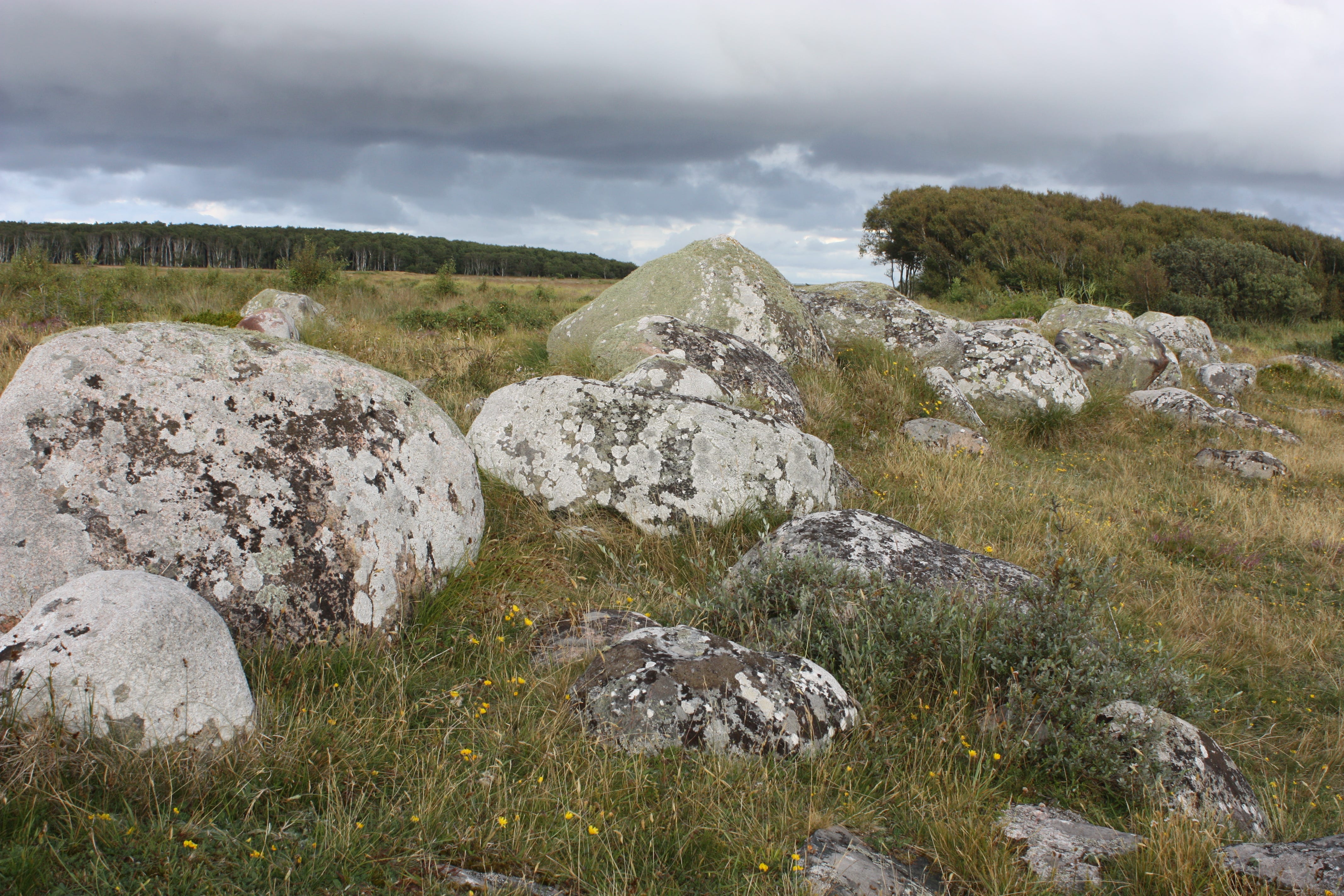
We can see that it has a row of boulders that matches rows we see in other dolmens, and a little ways off the site, there is a part that very much looks like it could be a stone dock, and on the mainland we find a similar formation of rocks a little way away from the main site.
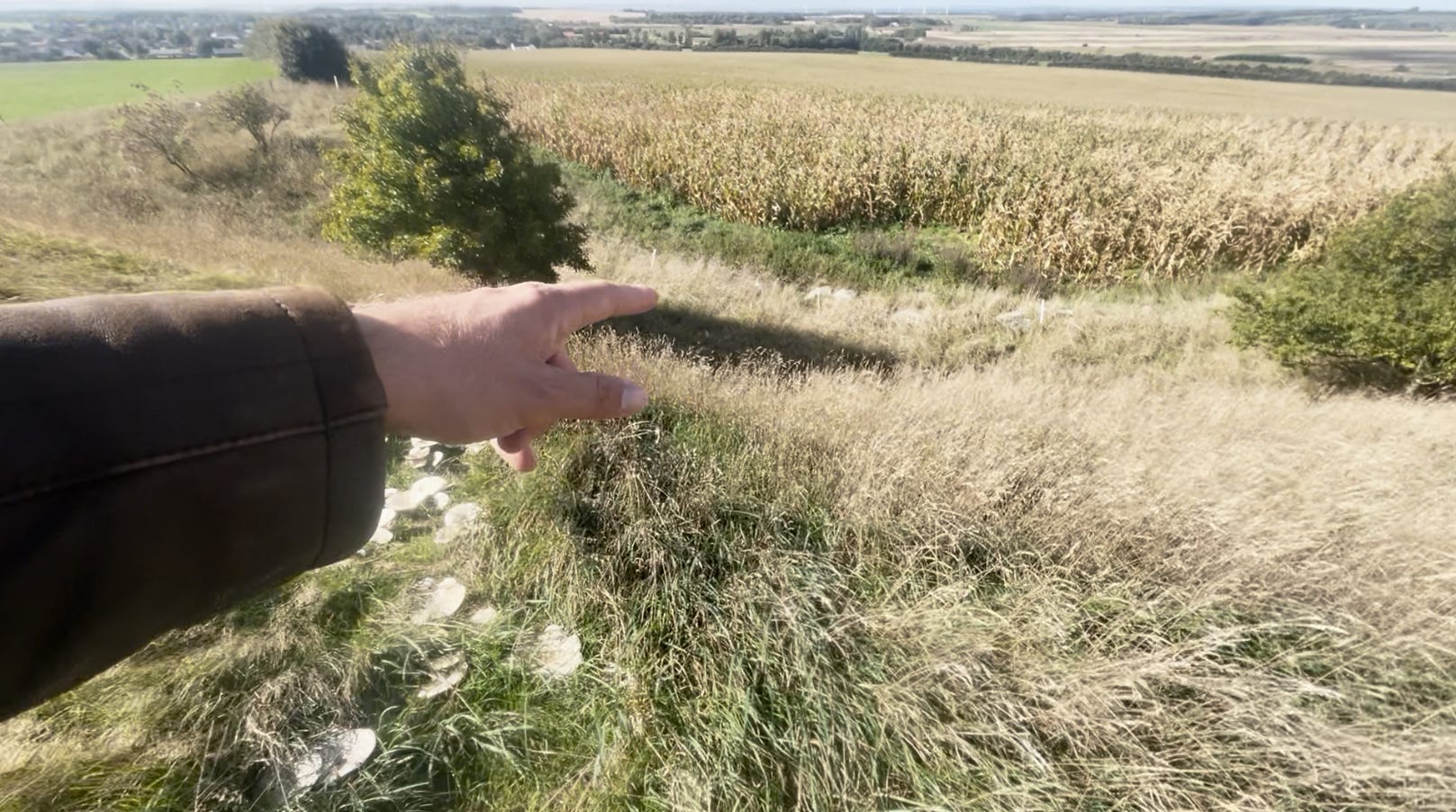
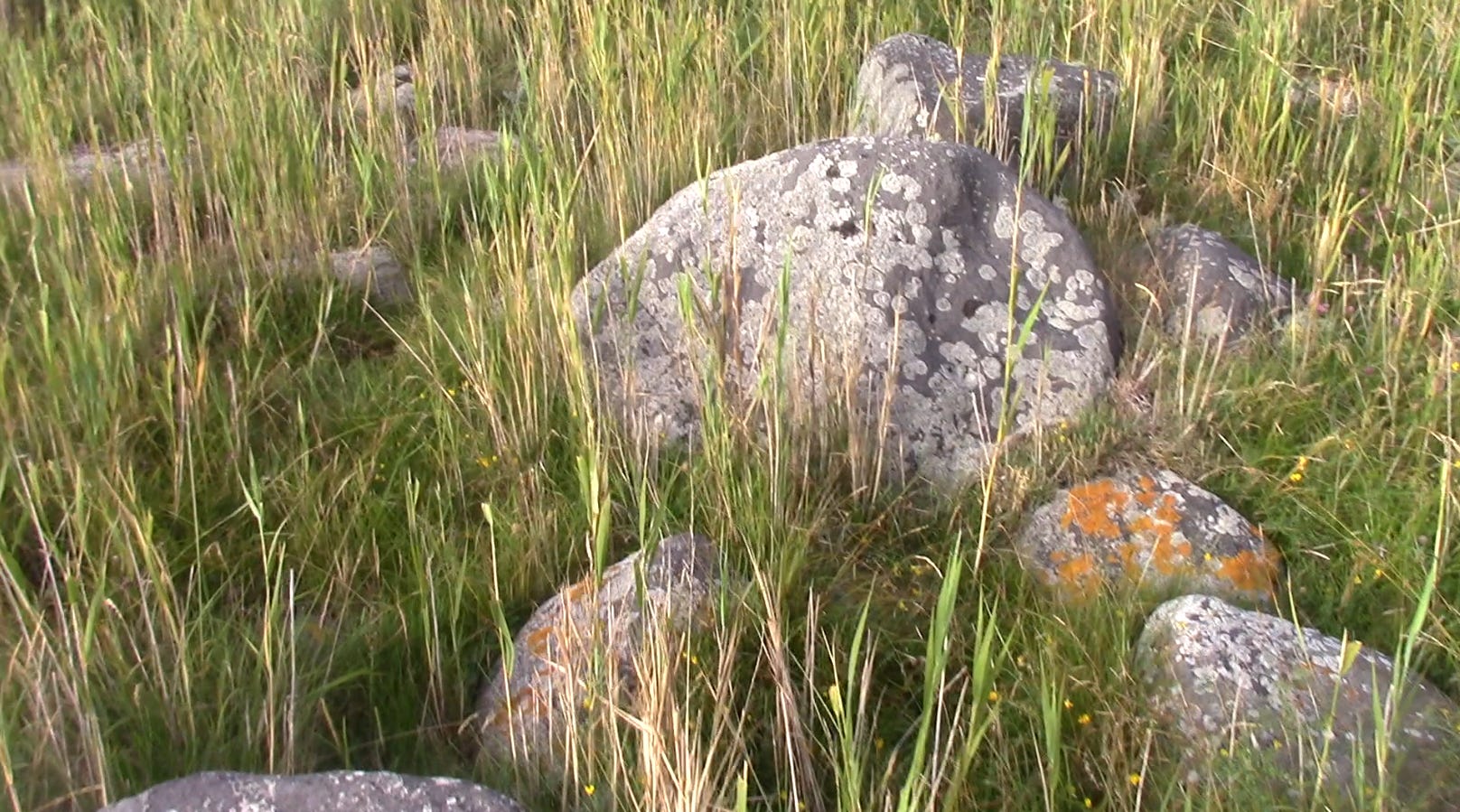
Both sites are located on the highest point of where the sea was when they were constructed and seem to have acted as much as guiding points or even lighthouses as they did burial sites. What further points towards the one on the island being manmade is that the dirt hill it rests on is the highest point on the island, but if we look at how the island was formed, we can see that the dolmen’s hill is not the origin point of the island, and when islands form like this, the oldest point will be the tallest point and it’s not, so something happened here to create this dirt hill, and I’m guessing human intervention.
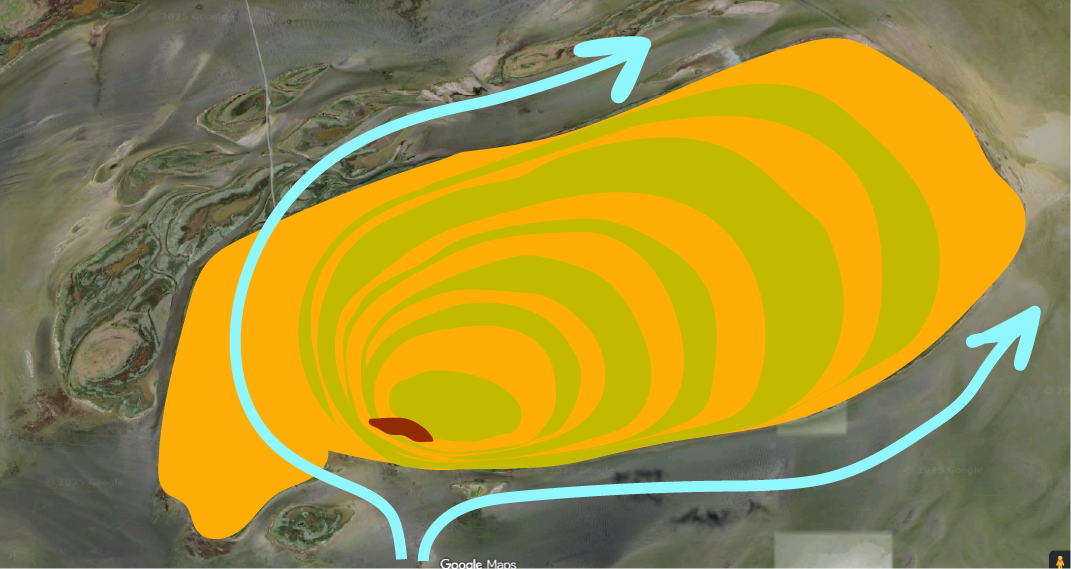
And I don’t know if this is relevant, but the site seems to be in the shape of a hammer if the dock is included, and if you look through the eye of the dolmen, it points straight to the island of Samsø, a place where we know the funnelbeaker culture settled.
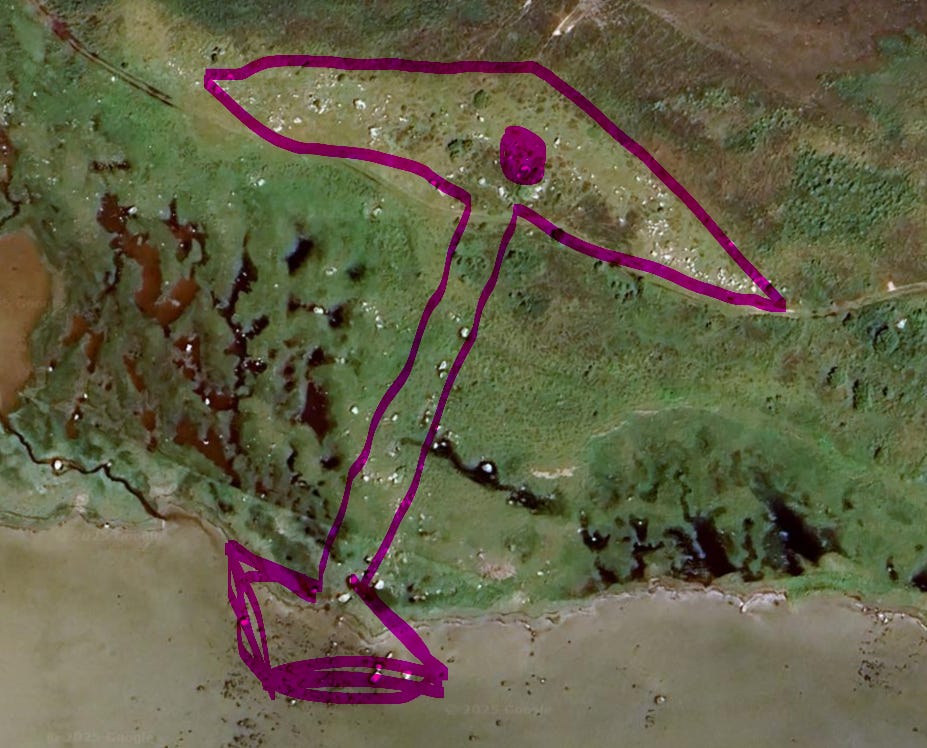
But all the evidence pointing towards this dolmen being from the stone age is all technically circumstantial. Yes, it does look like there is a harbour and a path leading up to the main structure, but it just looks like it, we can’t say it was made by human hand or not. Yes, there is what looks like a stone fence made up of large boulders surrounding the site, but we have no way of knowing when those boulders were moved. Yes the structure is on the tallest point on the island, despite that point not being the first to rise from the sea as we can see when we look at a map of the island, and that does point towards the structure and the surrounding area being man made, but we know that the island temporarily sunk sometime during the bronze age because a massive earthquake snapped the island in half, and it is possible that it altered the terrain here, creating a new tallest point that isn’t the oldest point on the island. I do think that these stones out here that are not part of the structure today probably were at some point, but that they were moved by the earthquake and the flood, but that’s just my personal theory, and we have no way of confirming or denying any of that.
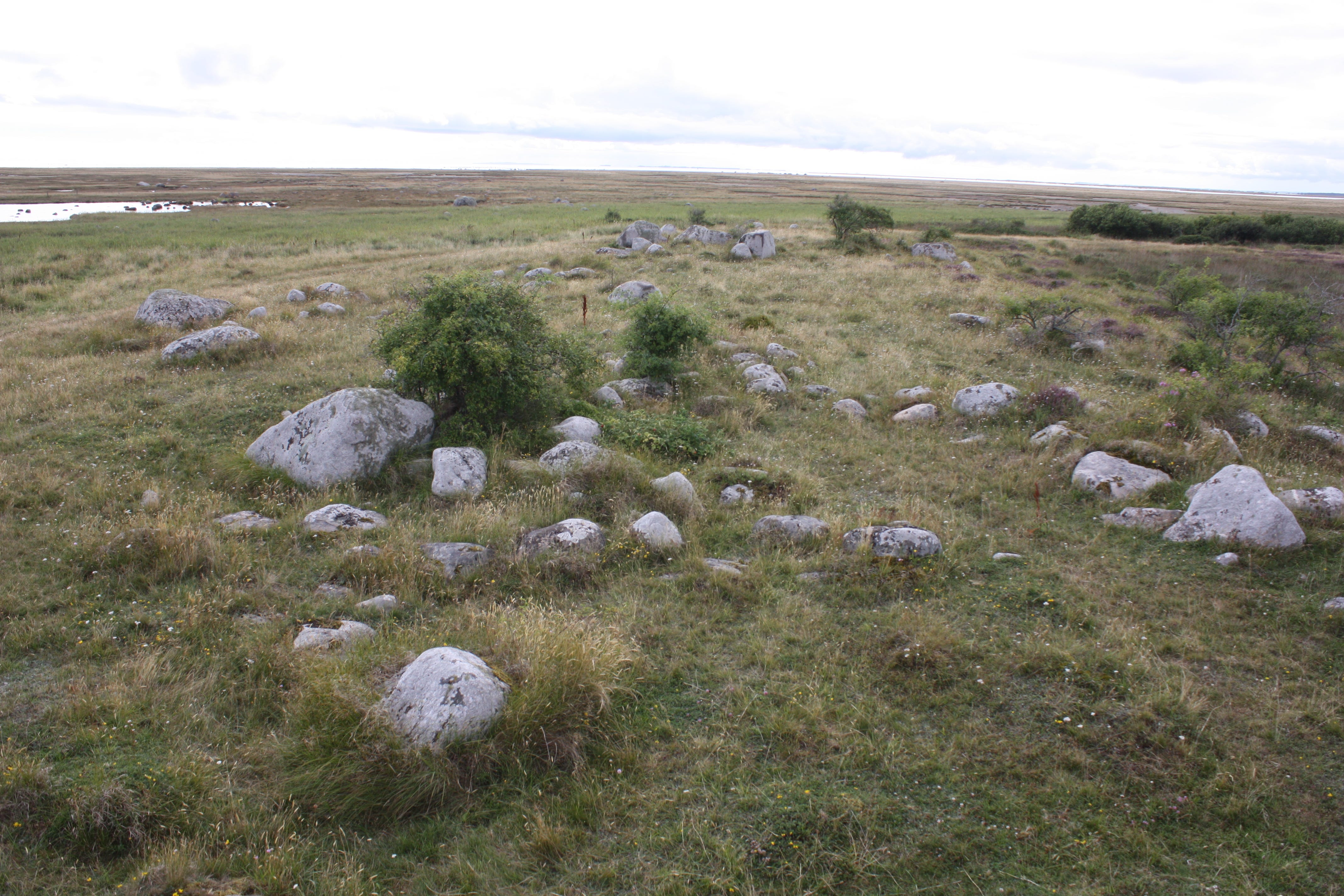
It was frustrating having come this close. Everything here looked exactly like it did on the mainland, and I didn’t have any doubt that this site was from way back before the 1700’s. But to make the claim I felt like I needed at least one piece of empirical proof that dated this site to before its alleged construction year.
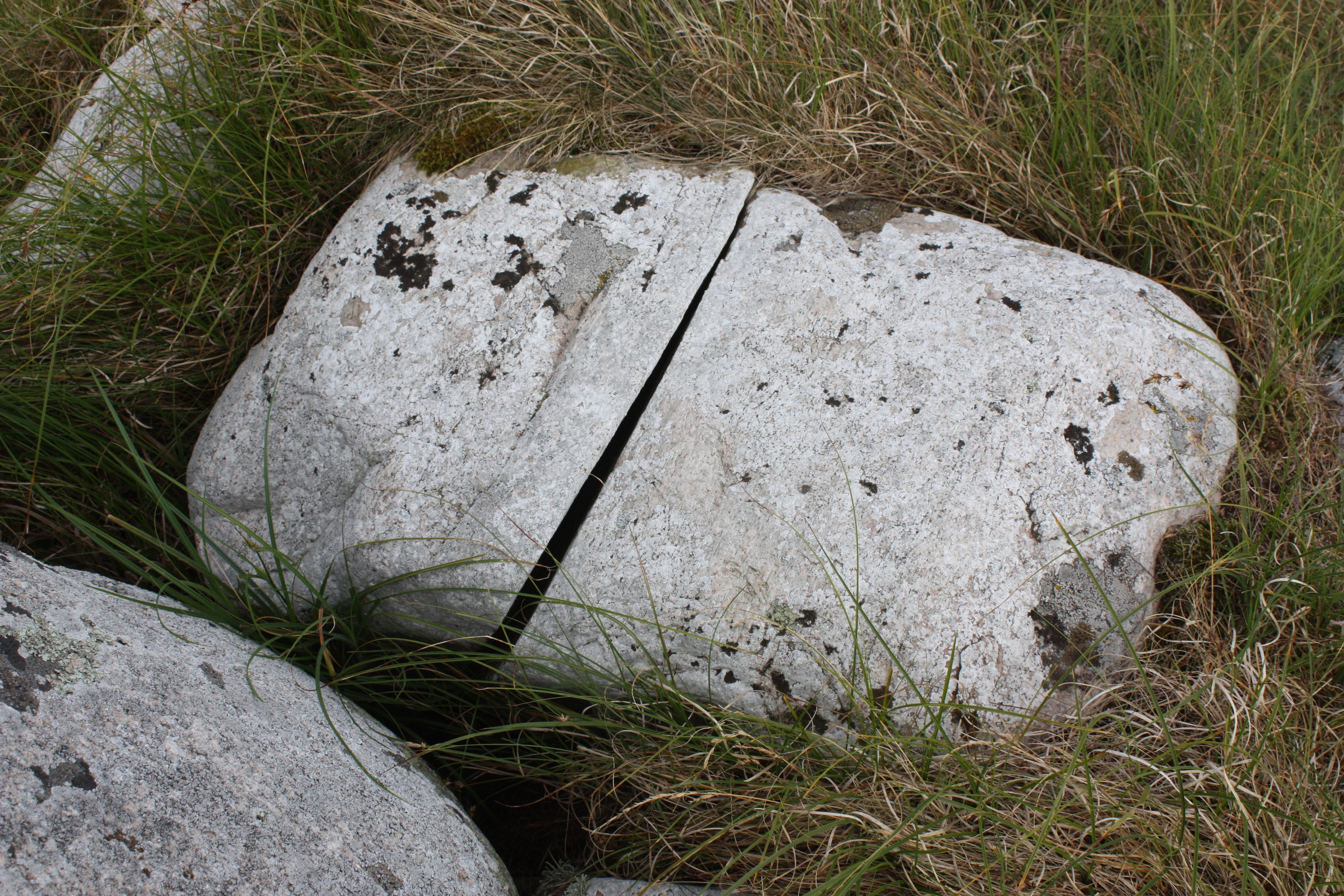
So, I sat down in front of the rock, and I stared at it….. and then I saw a crack in a rock in the dolmen, and the crack had lichen growing inside it. I realized that the rock must have cracked during construction, probably when the big boulder was put into place. You can use lichen to date when a rock was unearthed by measuring the size of the lichen growing on it, and taking into account what climate the rock is located in. But I couldn’t do that to measure the lichen in the crack because the climate here is just too inconsistent, and lichen can grow very quickly or very slowly depending on environmental factors.
But I could use lichen growth on the other boulders to figure out how long they had been in that position.
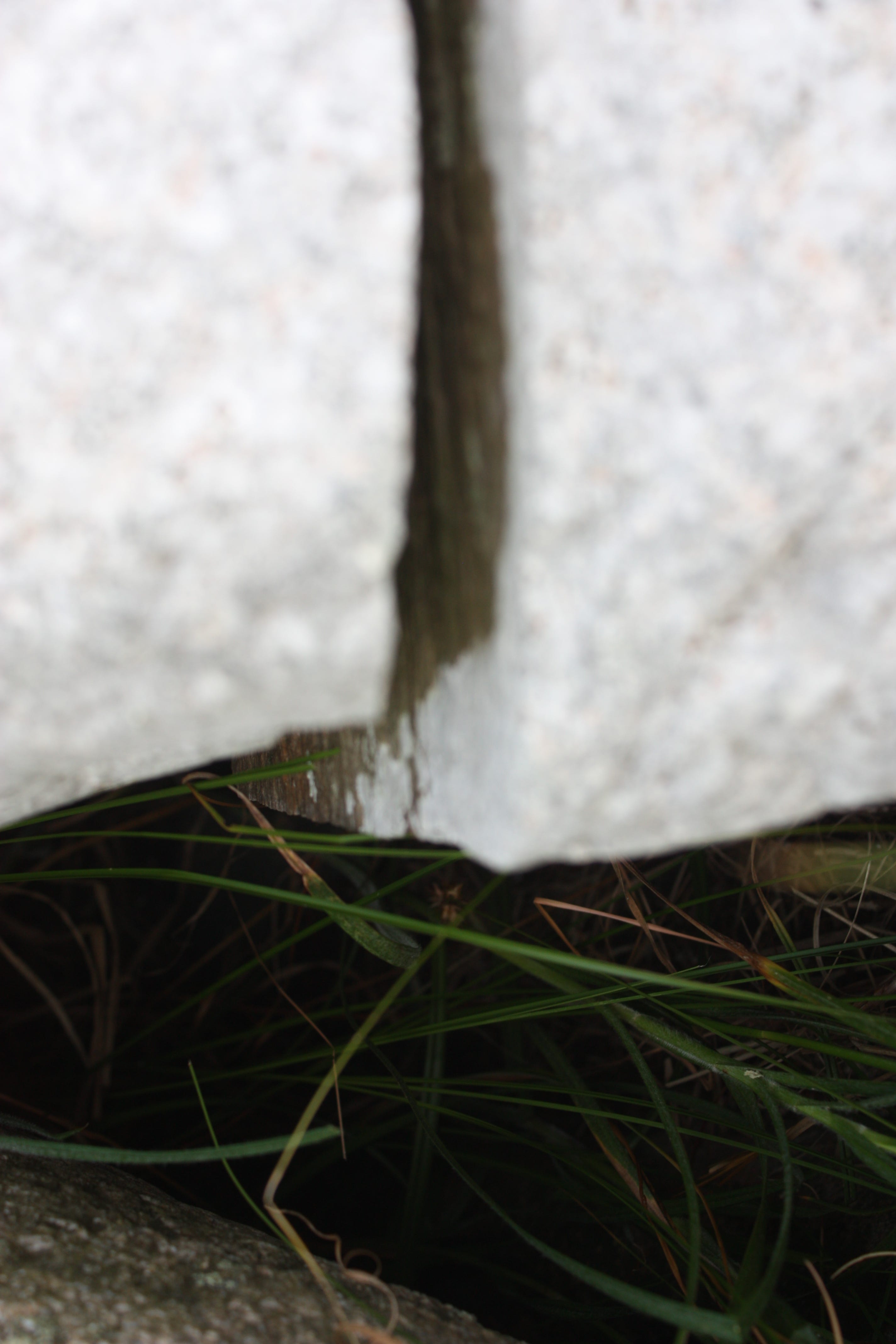
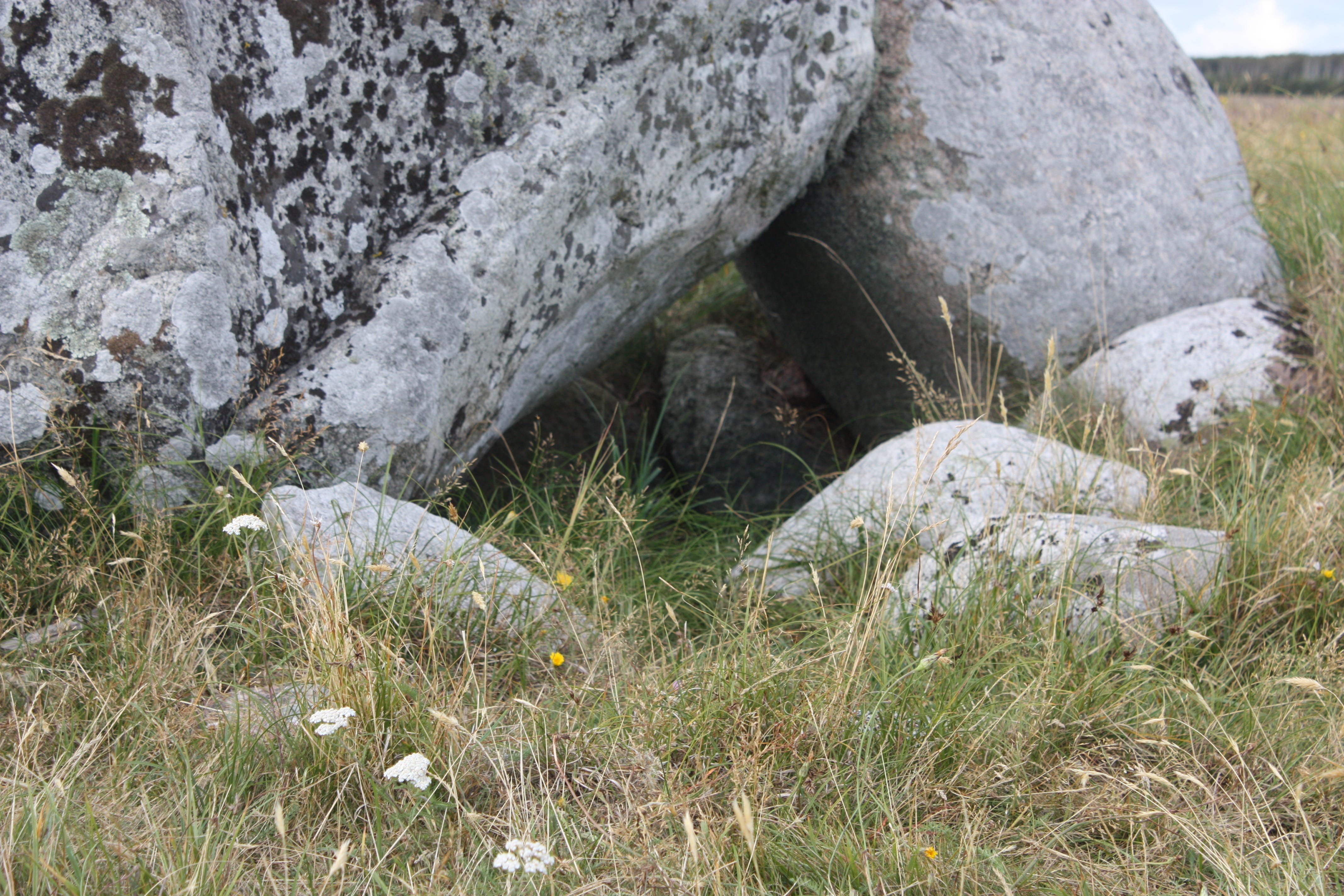
Lichen doesn’t grow in the shade, and it cannot grow underwater. We can see under the island dolmen that there are no lichen growing under it, but on the mainland, we can see on the boulders inside the chamber that they have lichen on them. That lichen was growing on the boulder when it was exposed to the sun, but it went dormant when the boulder was put in the position it is now.
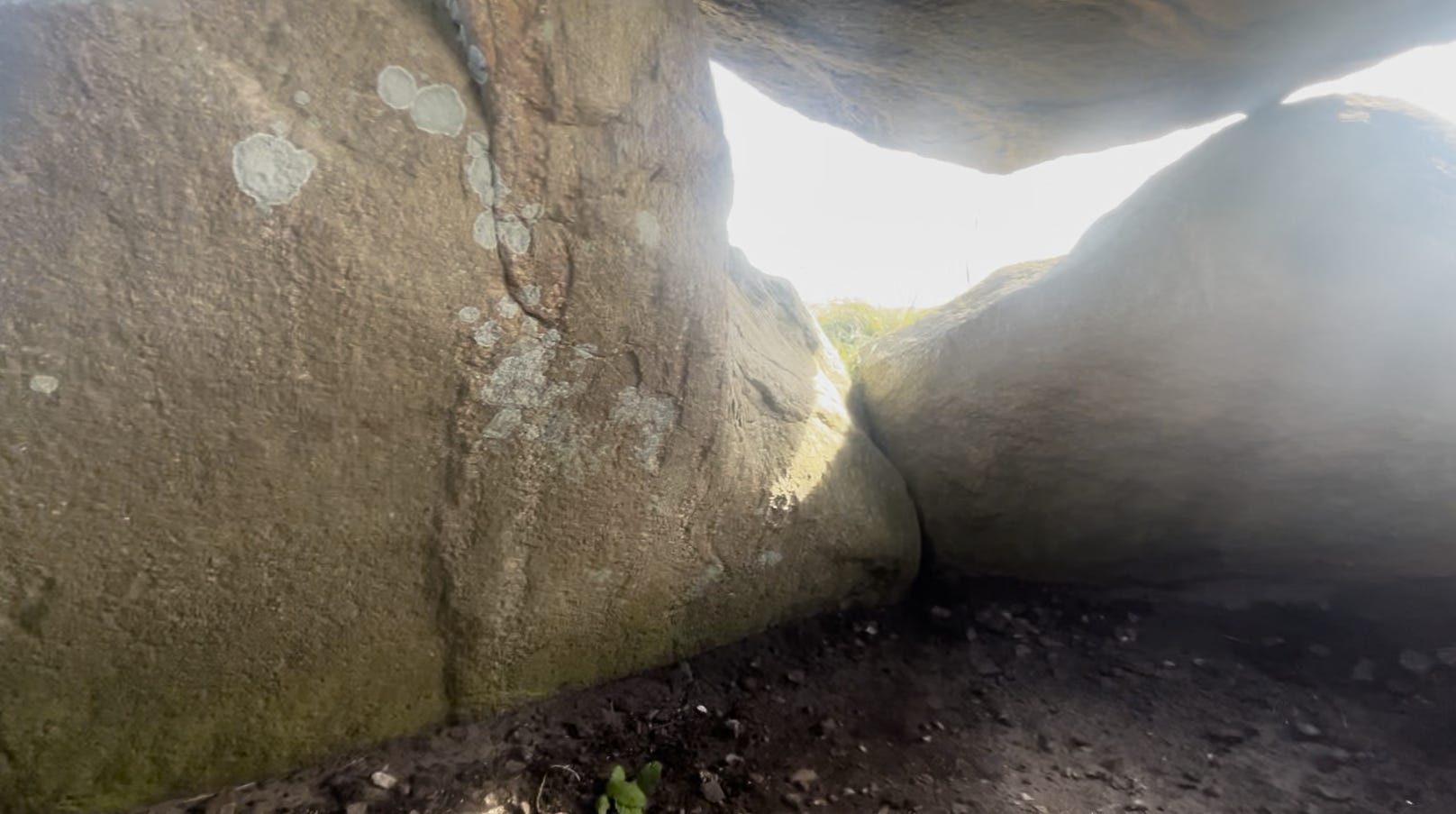
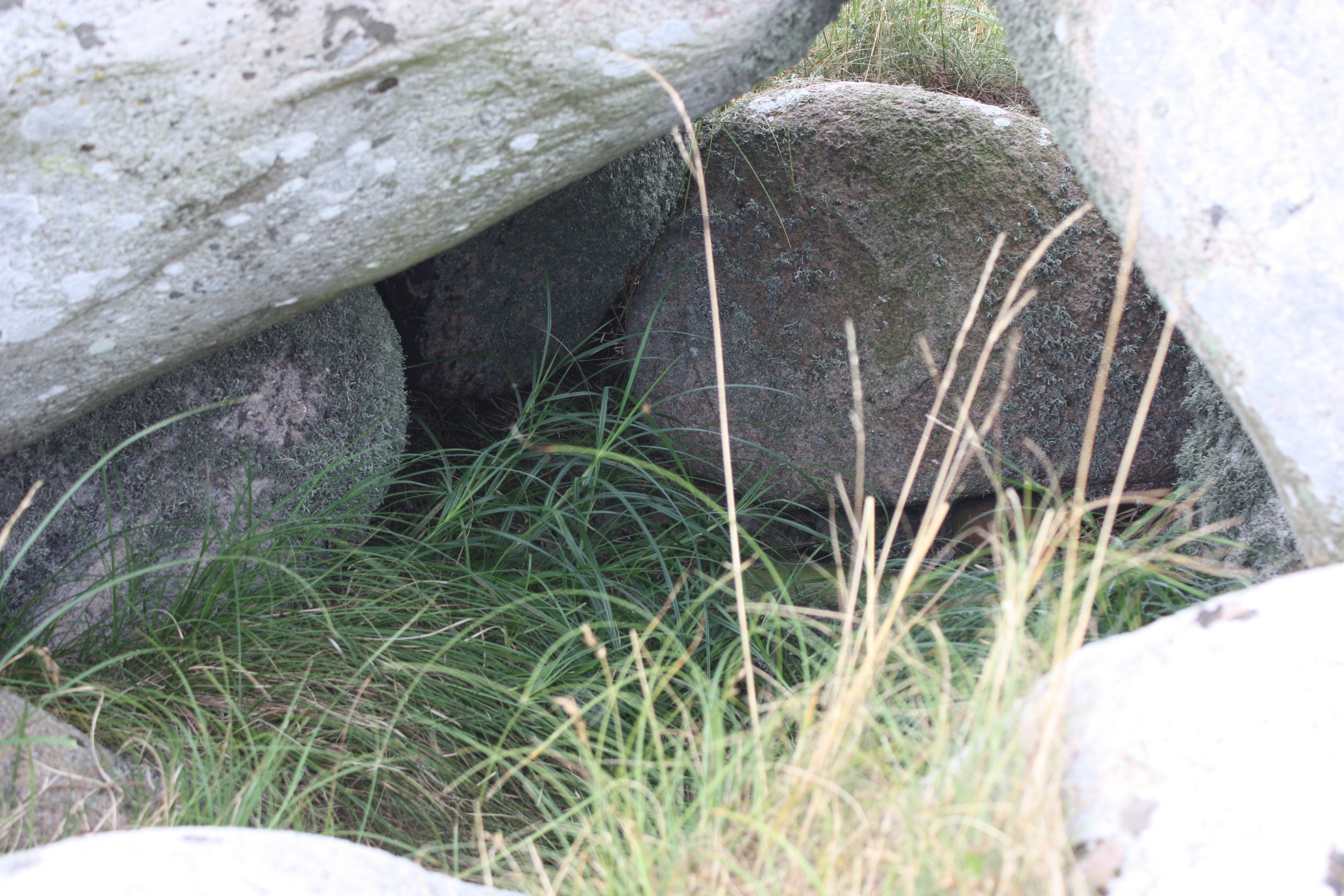
The reason the island dolmen doesn’t have any lichen growing under it, is that the island was underwater for most of the bronze age, only surfacing again about 3000-2500 years ago, and being under water for so long would have killed all the lichen on all of the rocks around here.
So we can see by how the lichen has been growing on the dolmen, that the dolmen has been in this exact configuration since the island resurfaced, and the diameter of the lichen patch covering these rocks is way too big to have grown to this size in just under 300 years even in the best of conditions, and the fact that there is absolutely no lichen on the shaded part of the rocks, proves without a shadow of a doubt that they’ve been in this exact position since the island sank, meaning that we can confirm that this dolmen, and the site around it, is a remnant from the funnelbeaker culture, left behind by them around 7500-6000 years ago.
What began as a folktale about a vengeful draugr became a story that bridged mythology, geology and archaeology. The dolmen stands here as proof that the funnelbeakers did more than just pass through. They lived here, they built here, they died here. This discovery adds an entire new chapter to the island’s history, and positions Læsø as a much more important part of the stone age in Denmark than we previously though.
The discovery also acts as a reminder that folklore is not just superstition. Local legends can preserve fragments of memory about very old sites. Archaeology often treats folklore with caution, but this discovery demonstrates that stories can encode real traces of history and should be taken seriously as research leads.
This site proves that there are more discoveries to be made out there, secrets hiding in plain sight. It’s a bridge between legend and evidence, and it challenges us to look closer at the myths that surround us, because who knows what else is hiding out there when a local ghost story can preserve the memory of a 5000-year-old burial mound hiding in plain sight.
The story of the mysterious island monument has already rewritten a chapter of this island’s history, and perhaps it will inspire archaeologists to excavate the site, because who knows what secrets we will find down in the burial chamber beneath the dolmen….
Love this!
That was such an interesting read and a little spooky as well - I certainly believe that other dimensions make themselves felt in places where the frequency is right and the veil is thin. It is evident that you have put so much time and research into this