Vampire Country Day 5

STORIES FROM CLUJ
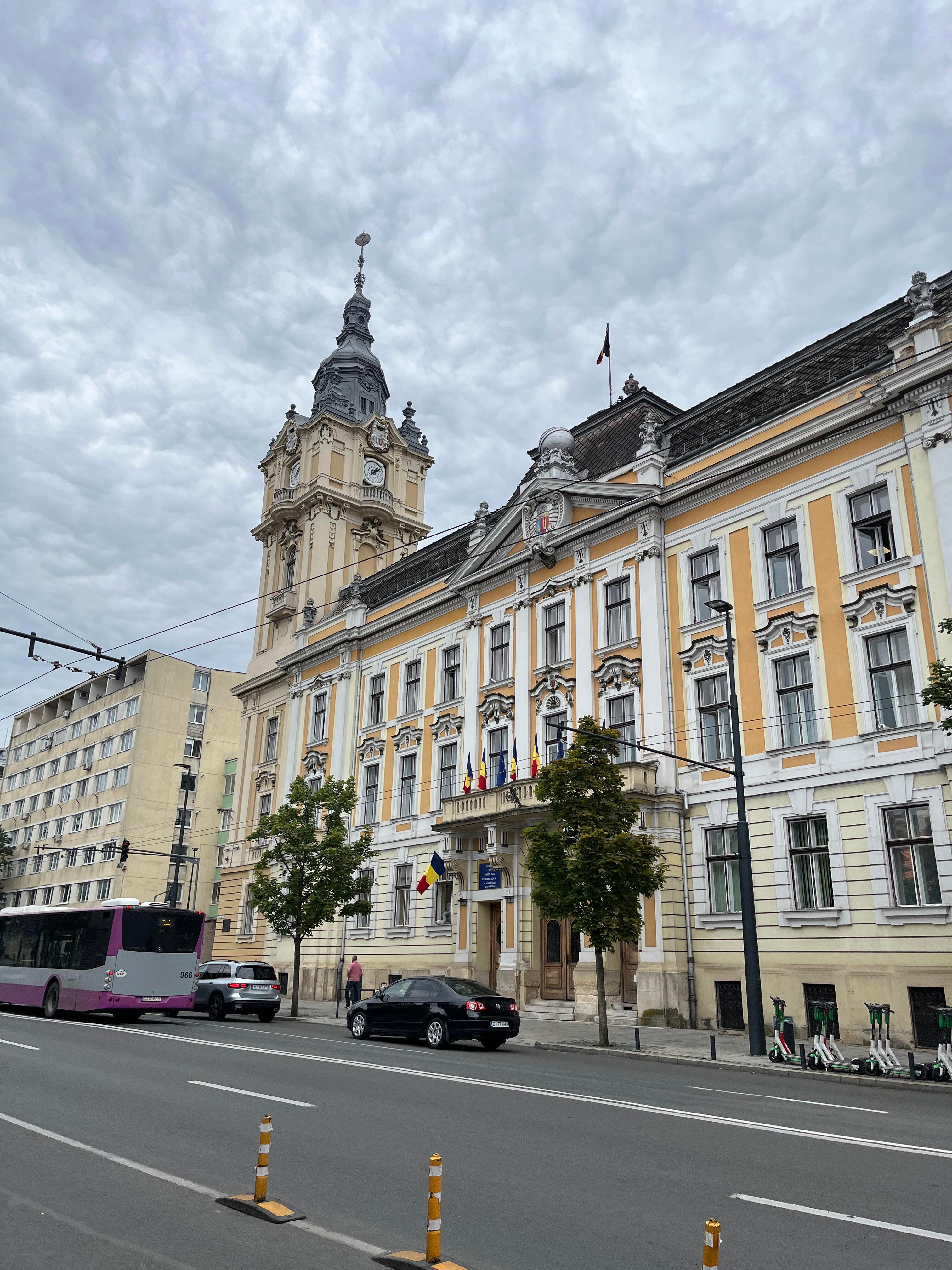
I woke up like I did yesterday, groggy from having slept a full night with no stops, something that has become more of a novel experience than I care to admit over the years. Something happens to me on vacation, but I guess everyone feels that way to some extent. Your body can sense the temporary release from the rat race, and it begins to heal. In my case, it’s going to take a lot longer because I’ve been burning the candle at both ends for years, and I can feel that it has left marks on my soul. Nothing that can’t be healed, but something I’ll need to do something about before it’s too late. Please don’t worry about me. I’m fine; I’m just always aware of my limitations.
Peti and Zsofia had been up for hours, and I chuckled a bit when I woke up because I remembered that they grew up on farms. That concept is foreign to me, even though I grew up in a rural community myself and went to school with kids whose parents were farmers. The difference is that a farmer in modern Denmark grows one crop or raises one type of livestock. Farming is a job, and it’s less of a lifestyle than it is in Eastern Europe. These two Hungarians grew up on a farm. They still go back to the village where they grew up to help their parents on the farm and take part in thousand-year-old traditions like communal pig butchering. They start at six in the morning by taking a shot of pálinka, then they kill the pig and begin processing it. The first thing they cut off is the fat, and by lunchtime they’re already eating it. It’s cut into chunks and turned into a kind of grilled bacon fat that’s smeared onto toast. A few more shots of pálinka and many hours later, nothing is left but the bones.
That kind of farming hasn’t existed where I’m from since the 1960s, and my grandparents were the last generation to grow up on farms where a bit of everything was raised and where the whole family took part in life on the homestead.
I think it’s quaint that this way of life still exists to some degree in Eastern Europe, and I think we in the West could definitely benefit from spending more time with our families. But I’m not sure anything has really been lost by progress, because rural Hungarians don’t farm like this because they enjoy it; they do it because they have to if they want to go to bed with full bellies. They do everything they can to push their children out of the villages and into the cities so they can have a better life than that of a farmer. Thankfully, most of them succeed, like my friends here, while also managing to take the good parts of having lived a hard life with them.
This is not a random aside. This is prologue.
We were supposed to go to the spooky forest today and then visit the ethnographic museum, but when we got to the apartment yesterday, we discovered that the TV not only had all the Hungarian channels they can watch back home, but it also had its own Hungarian-language station: Erdély TV, which roughly translates to TV from Beyond the Forest.
On Erdély TV, we saw a feature about a tiny straw hat museum in a real rural Transylvanian village, where they still make straw hats the traditional way. We thought it sounded amusing, so we decided to postpone our walk through the haunted forest until the next day. Instead, we jumped into the car and drove out into the countryside, way out into the countryside.
I keep finding ways to go on adventures that take me farther into the countryside than I’ve ever been before. Within two hours, we’d managed to drive 200 years into the past, and by the time we arrived, we’d seen more horse-drawn carriages than cars in the previous thirty minutes.
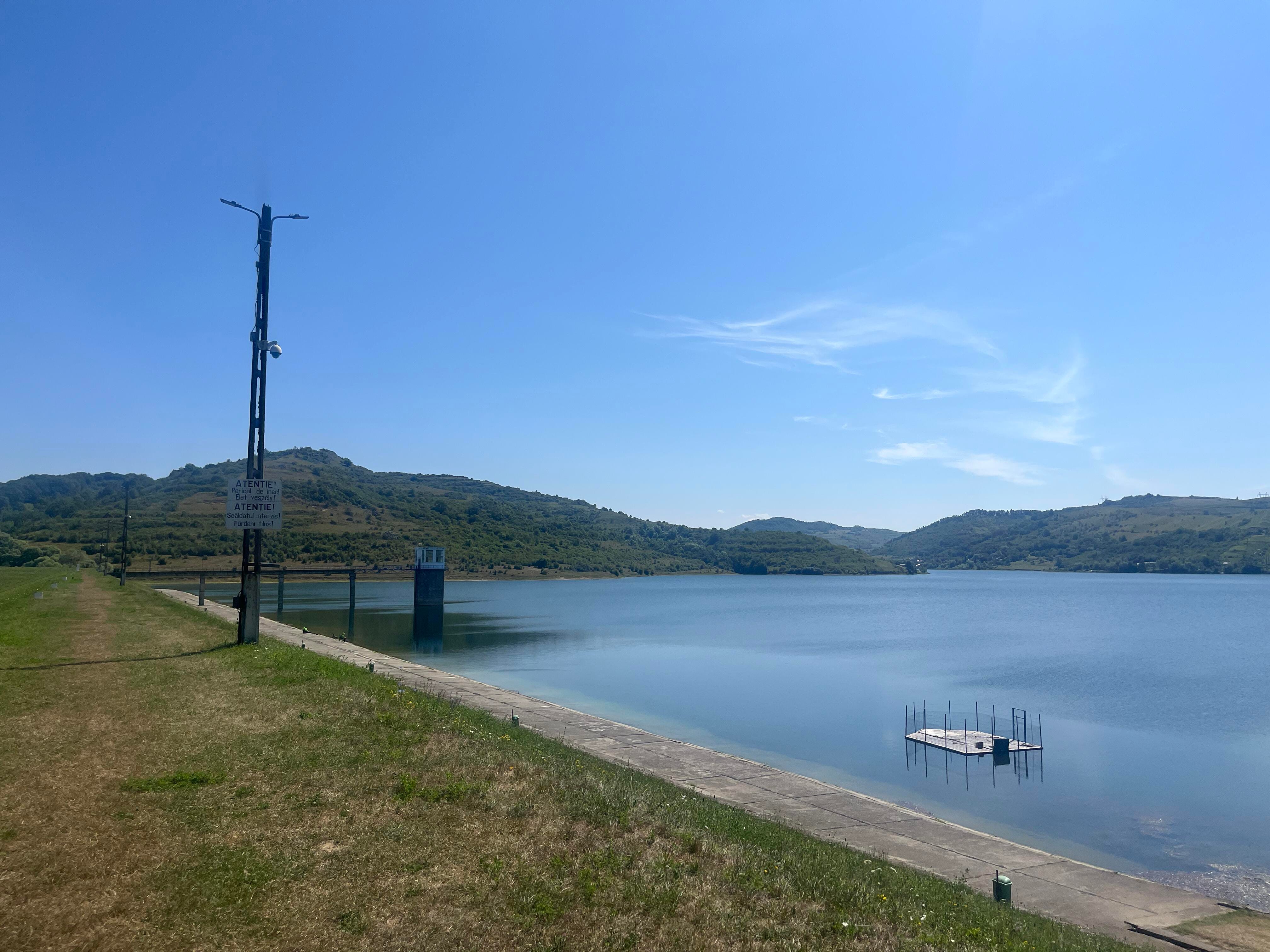
The straw hat museum in Körispatak was surprising. The name is cute, by the way, it means “Ash River,” and the village sits beside a river with plenty of ash trees growing nearby.
I expected to spend maybe ten minutes there because I assumed it would just be a single room with a few posters and some hats. Then we’d sneak around the village and observe some local Transylvanians in their natural habitat. Instead, the museum turned out to be far more interesting than I could have imagined, and we ended up spending about an hour there. There was a courtyard with a collection of rocks, which is apparently of great interest to the Székely, and there was an installation dedicated to visitors from different countries. Judging by the towns and regions listed, most people came here to reconnect with their Transylvanian roots. Most visitors were from Hungary and Romania, as well as parts of Germany and the Netherlands where the Transylvanian Saxons migrated during the communist era. There were also a few entries from the United States and Canada, presumably from areas with large Hungarian diasporas.
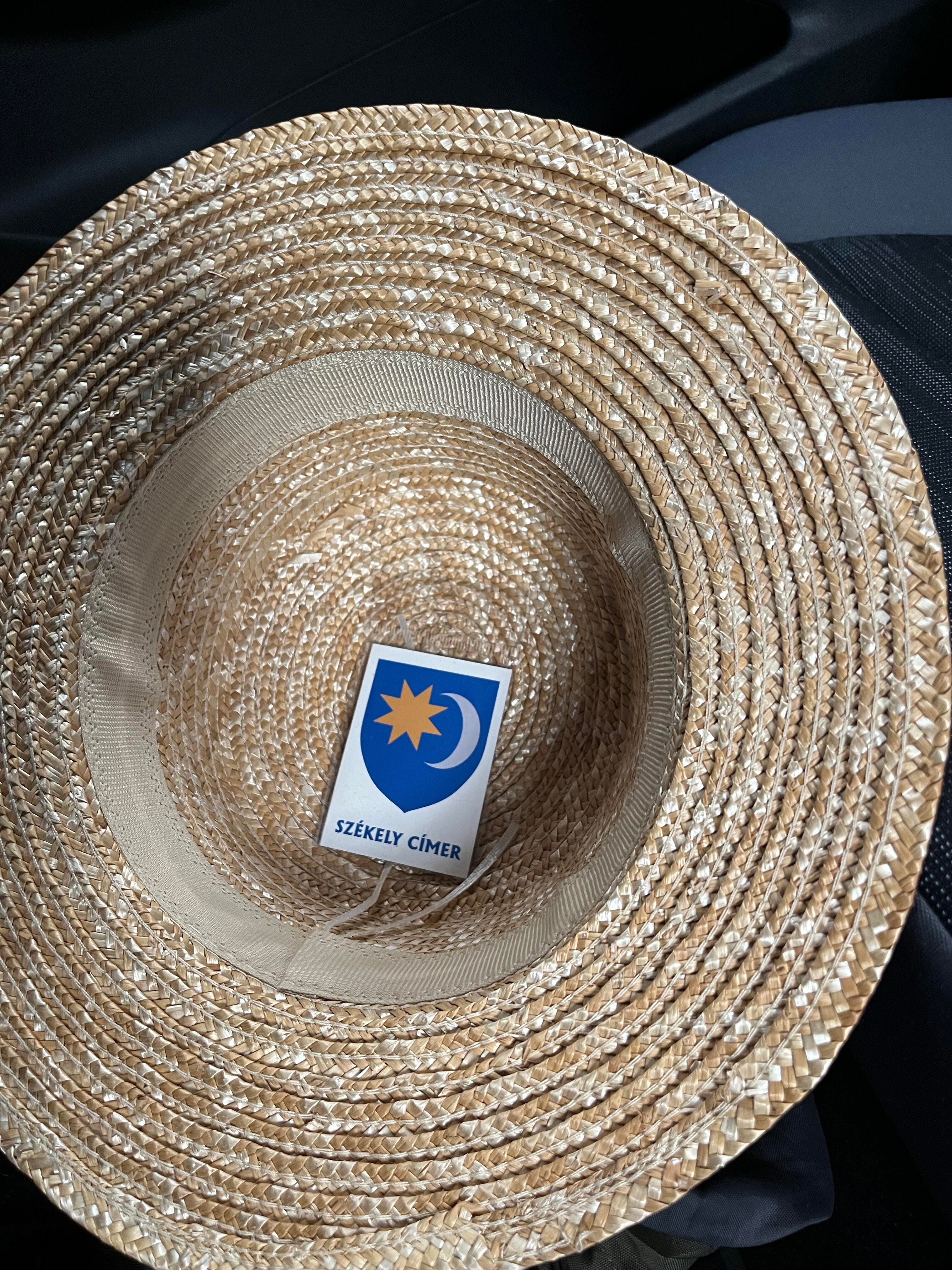
The gift shop was fantastic, selling only straw hats, other culturally appropriate items, and Székely-branded merchandise. To an outsider, that might not seem unusual, but we’re in Eastern Europe, so it’s actually remarkable that they weren’t also selling Cars 2 baseball caps and Darth Vader coffee mugs. I bought a straw hat and a Székely crest fridge magnet for my mother. I usually bring her a fridge magnet from my travels, and she always wears a straw hat during the summer, so I know she’ll appreciate one handcrafted by the Székely.
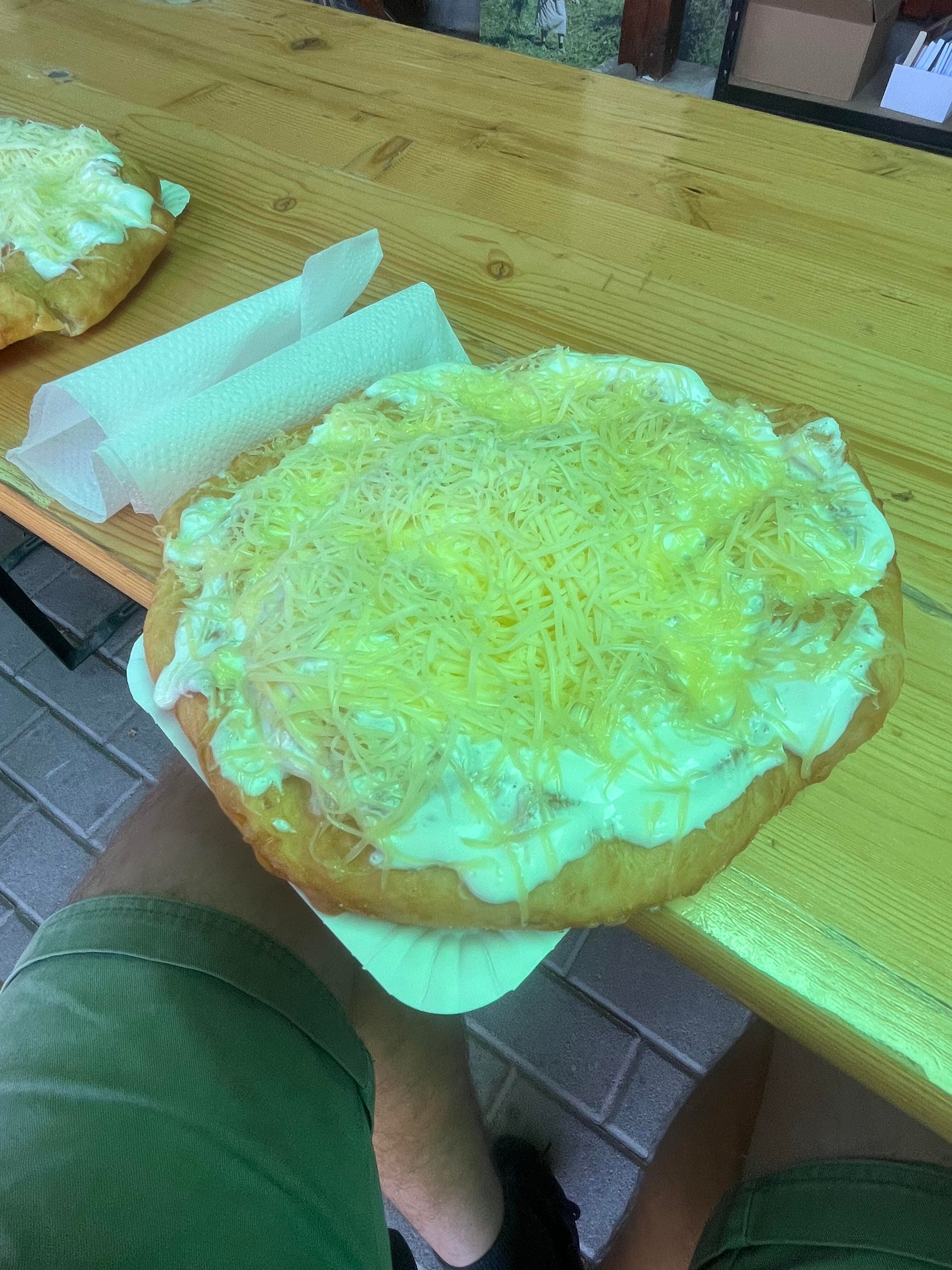
There was a booth selling lángos, a Hungarian version of a common, inexpensive fast food found throughout much of the Balkans. It’s basically fried bread topped with sour cream and cheese. It’s delicious, though I’m not sure whether it’s actually that special or if I’m simply not used to indulging in treats like that anymore. I’m a man in my mid-thirties trying to maintain a set of abs and a vaguely superhero-esque physique, so I’ve made certain culinary sacrifices in my everyday life. I don’t starve myself, and my diet isn’t especially strict, but I’ve found that ever since making this lifestyle change, I’ve come to appreciate good food and treats much more whenever I do indulge. Which makes sense. A piece of cake once a week is a celebration. A piece of cake every day isn’t.
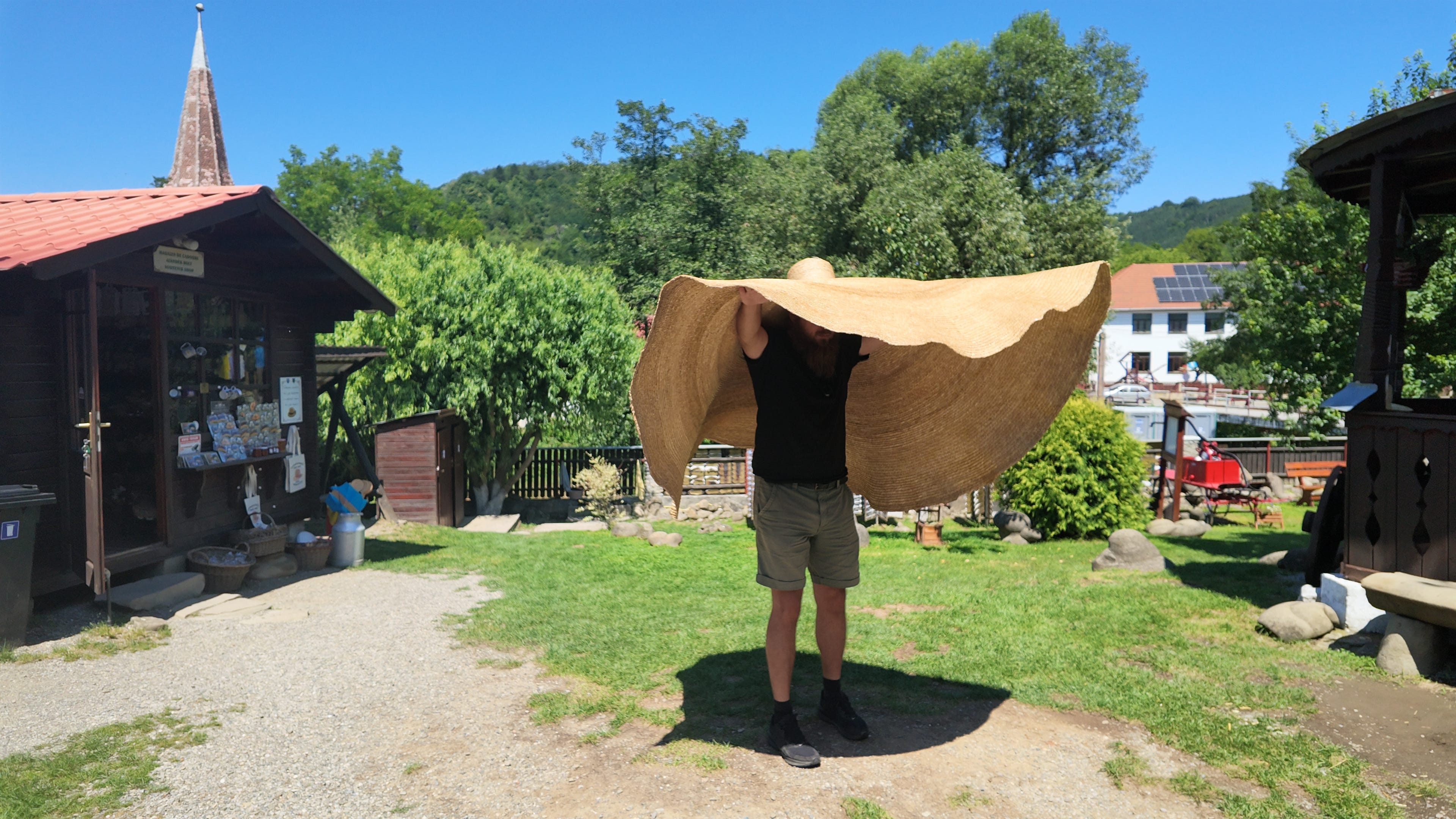
While we were eating, we noticed a massive straw hat hanging on the wall, and one of the museum volunteers told us in Hungarian that it was the world’s largest straw hat. He took it down and helped me put it on, and I immediately understood why people wear these—not necessarily the world’s biggest straw hat, but straw hats in general, if you know what I mean. The temperature beneath the hat felt ten degrees cooler. The light color of the straw reflects the sunlight, and its thickness prevents much of the heat from getting through. If I hadn’t already planned to buy a traditional Transylvanian hat later in the trip, I would have bought a straw hat for myself right then and there.
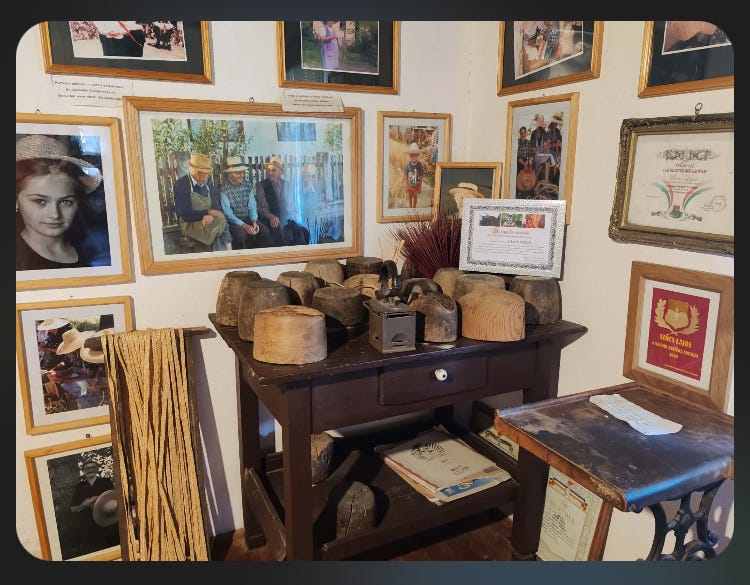
We followed the man inside, where he explained the process of making straw hats by hand and the symbolism behind each part of the design. Very little of this information was available in English, and the man spoke only Hungarian, so I was incredibly grateful to have my friends there to translate.
The style of the hat depends on which village you’re from, and the width of the brim depends on how many hectares of land you own. One straw width is added for every half-hectare, so whoever owns the world’s largest straw hat must also be the richest man in Transylvania.
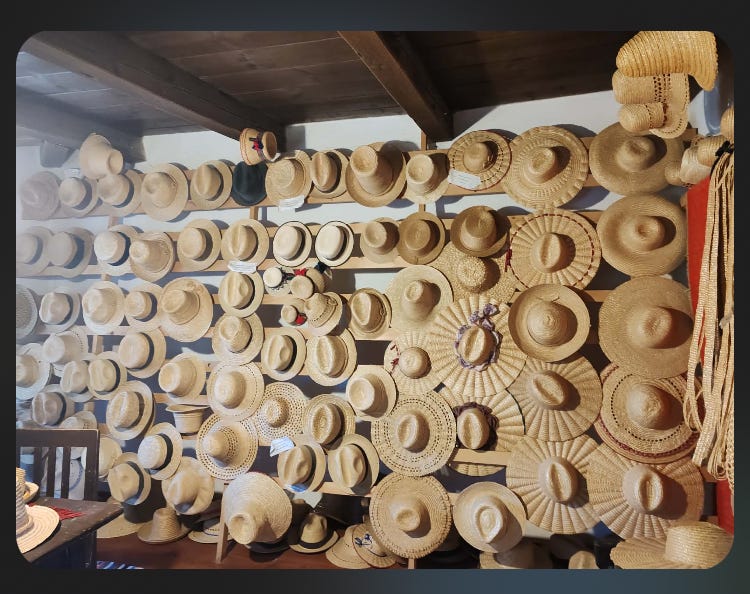
The women’s hats have emblems on the side, and whether the emblem is placed on the right or the left depends on whether the wearer is Romanian or Hungarian.
The village exports quite a few of these hats, and one of the walls displayed a poster of a Japanese scout troop. They had heard about the Körispatak hats and commissioned the village to make hats for the entire troop.
When we first drove into Cluj, I was confused by the region’s identity. Romanian flags were everywhere, yet everyone on the streets spoke Hungarian. As soon as we left the city, the Romanian flags gave way to Hungarian ones. But something clicked while standing in this village, looking out the window and seeing Székely flags instead of either Hungarian or Romanian ones.
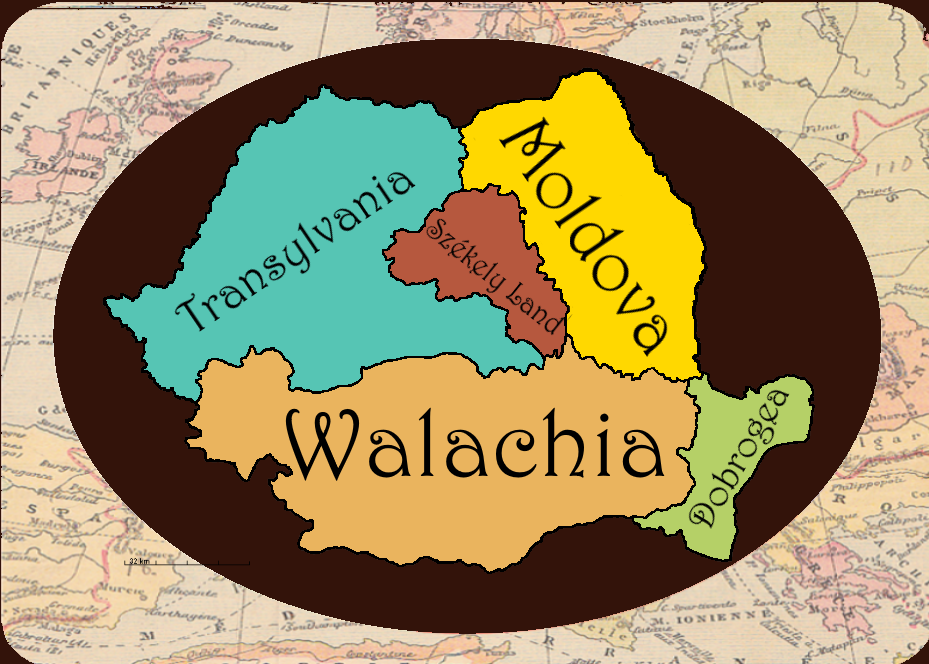
The region suddenly made sense.
Transylvania is like any other border region. You have Hungarians to the west and Romanians to the east, and here in the middle you have the Székely—people who historically lived far enough away from the region’s endless conflicts to develop a distinct identity of their own. They may speak Hungarian, but they’re different from both Hungarians in Hungary and the Hungarian Transylvanians living farther west. Cluj might be geographically located in the Hungarian part of Transylvania, but as the de facto capital, it has become a melting pot of all three cultures.
I came to the straw hat museum expecting a laugh, but I think I learned more about the people of this region there than I probably will at tomorrow’s ethnographic museum. Not that the ethnographic museum won’t be great.
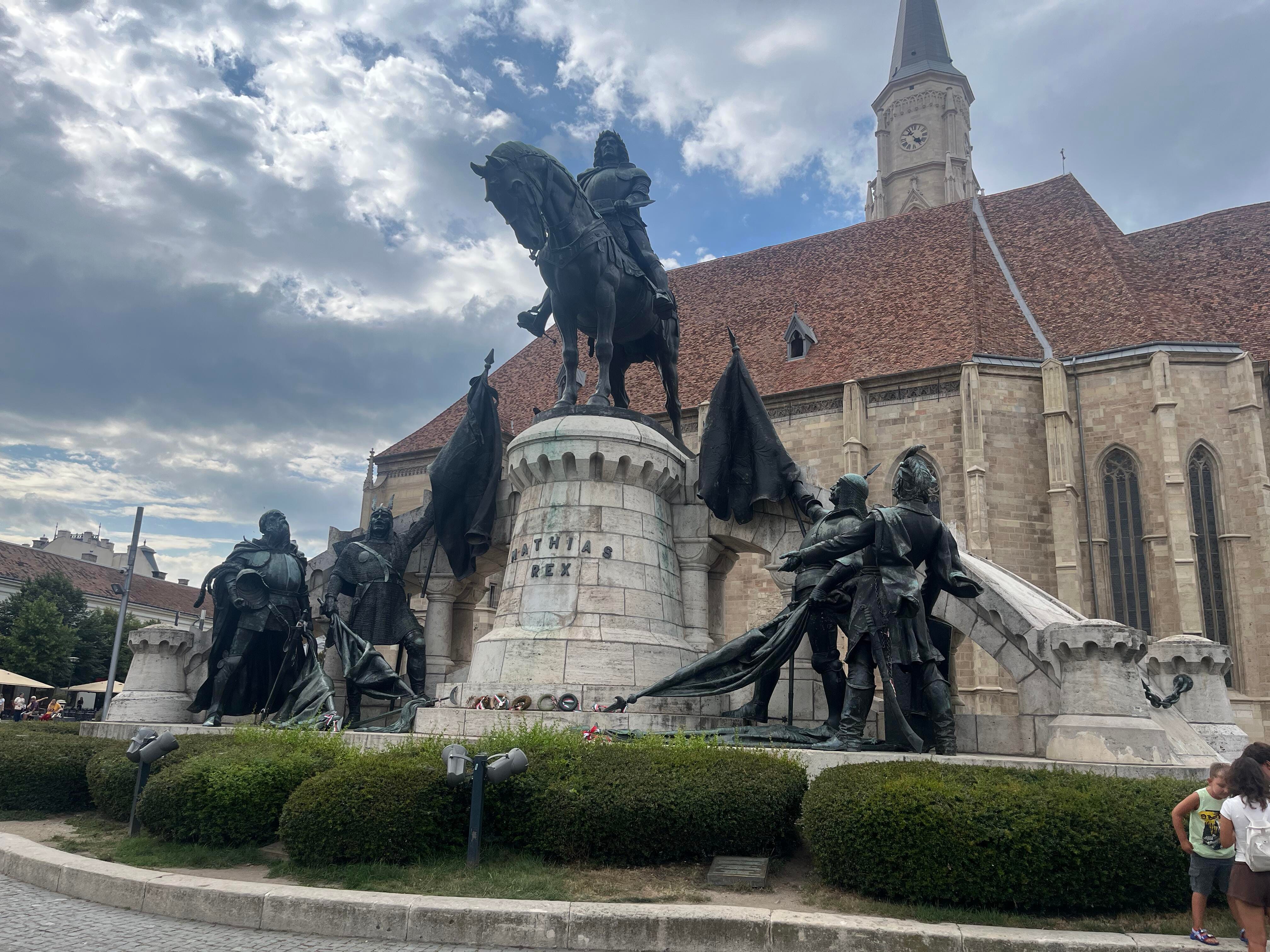
We drove back to Cluj and visited the large statue of King Matthias, the greatest king of Hungary. He became known as Matthias the Just because he would travel through Hungarian villages disguised as a beggar to see whether his officials were treating the people fairly.
Matthias was also a brilliant military strategist who conquered parts of Austria using his Black Army, a professional mercenary force far more capable than the peasant armies raised by earlier Hungarian kings.
When Matthias died, so did the Black Army, and with it Hungary’s military advantage.
His life story is legendary among Hungarians, and perhaps one day I’ll write a more in-depth biography of him.
His father was Prince of Transylvania and became famous for resisting the Ottomans and driving them out of Transylvania, making Matthias an important historical figure to both Hungarians and Transylvanians alike.
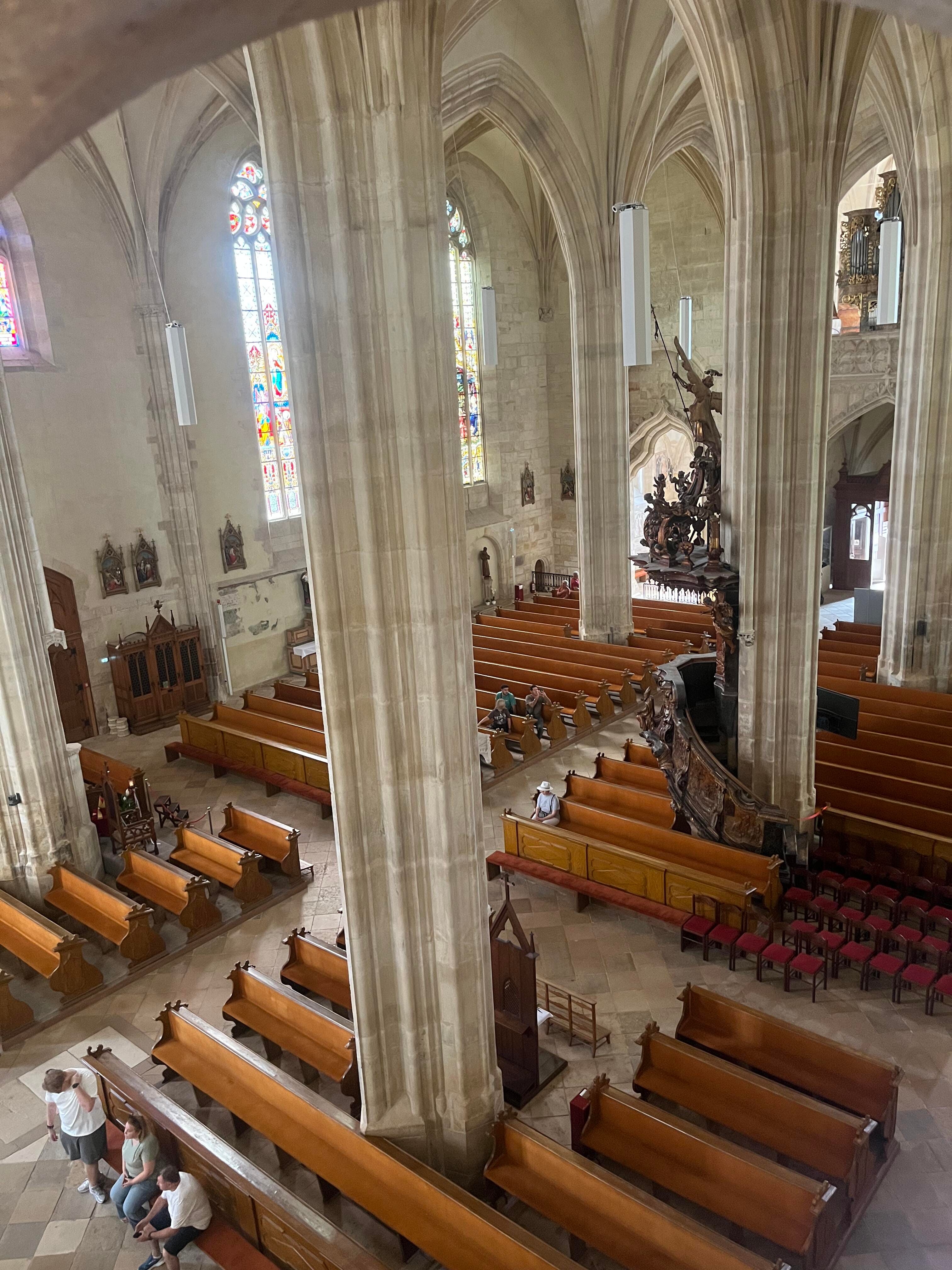
His statue stands outside St. Michael’s Cathedral, which we visited afterward, before having lunch at a café on the same square.
As I sat in the square looking toward the hills, I had an idea.
Cities built in valleys almost always have a viewpoint somewhere, and I wanted to find Cluj’s and photograph the city as the sun set. I found the highest point overlooking the valley, and we drove up to the trailhead. It was only a 700-meter hike, and along the way we came across a pile of sticks.
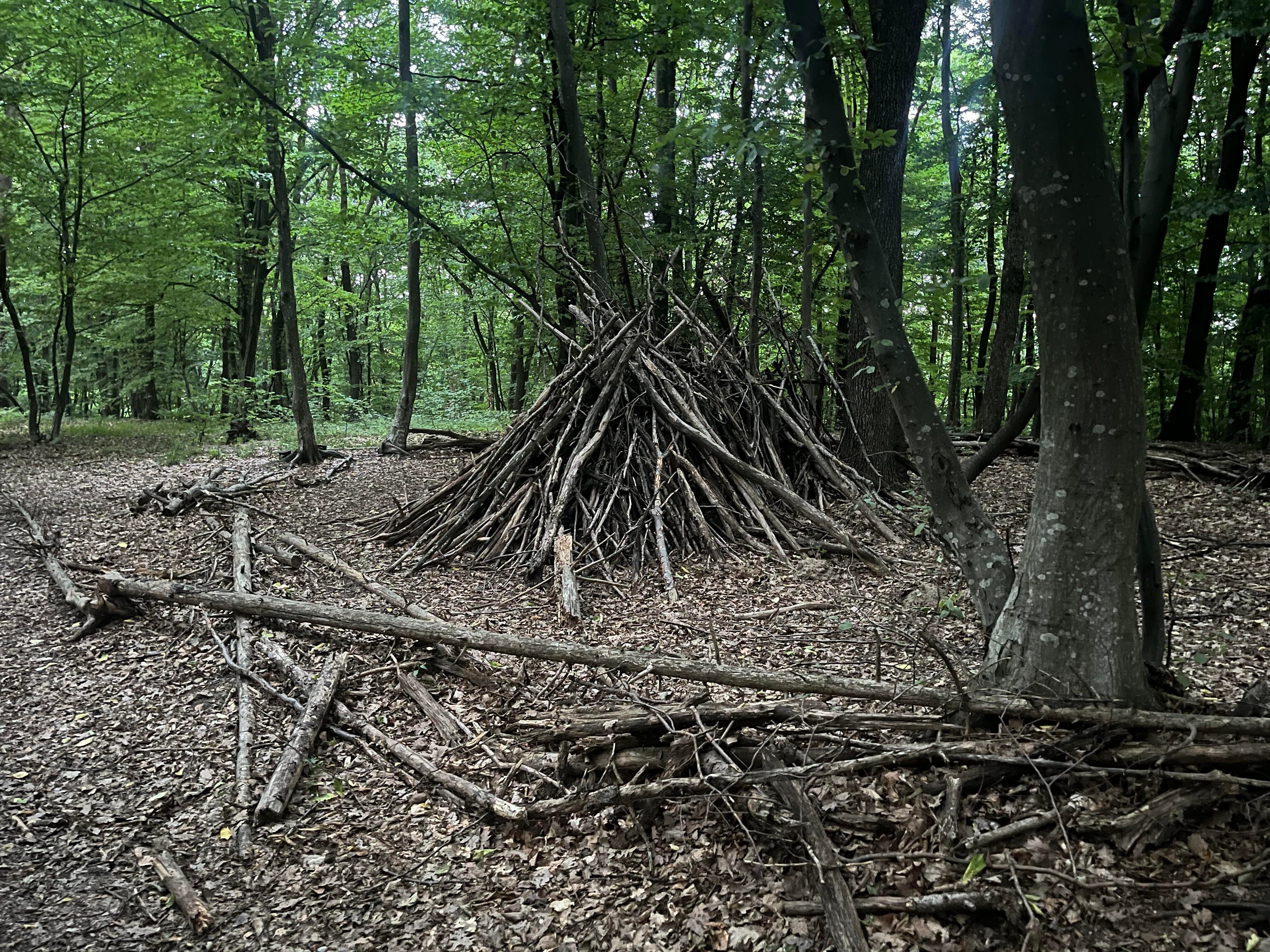
To the untrained eye, it looked like nothing more than an ordinary pile of branches. But if you spend enough time digging into local history, you’ll find that these often mark the site of an ancient death ritual.
It’s a tradition that has existed across Europe for thousands of years. The story usually goes something like this: A cruel and powerful man terrorizes the local people until, one night, they finally have enough and kill him in the forest. Because evil men don’t stay dead, they throw sticks onto his body to weigh him down so he can’t rise again. From that day forward, every villager who passes the spot adds another stick to make sure he stays buried.
Eventually, the story disappears, but the custom remains because it’s simply human nature to see a pile of sticks and want to add one more.
One such pile back home contains sticks that are at least a thousand years old, and I’m sure that if you examined the oldest ones here in the forests around Cluj, they’d be about that age too, if not older.
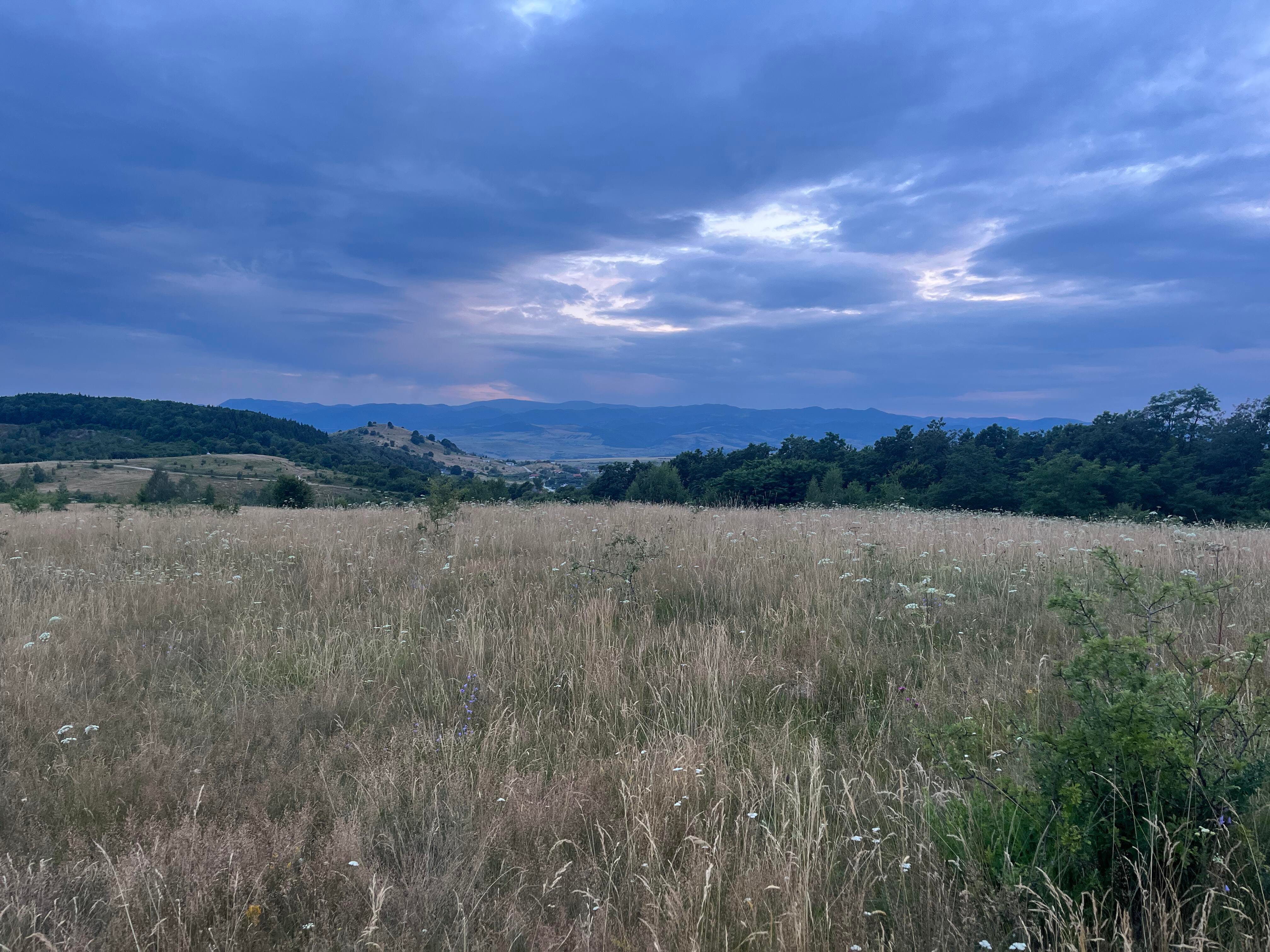
We reached the summit only to discover that the viewpoint had become completely overgrown. There was no spectacular panorama of the city. Judging by the signs and the old fire pit, it had once been a beautiful lookout, but it hadn’t been maintained for at least a decade.
Then I remembered another hill on the opposite side of the road from where we’d parked. It was smaller, but perhaps it still offered a better view. Having come this far, we hiked back down and climbed the second hill.
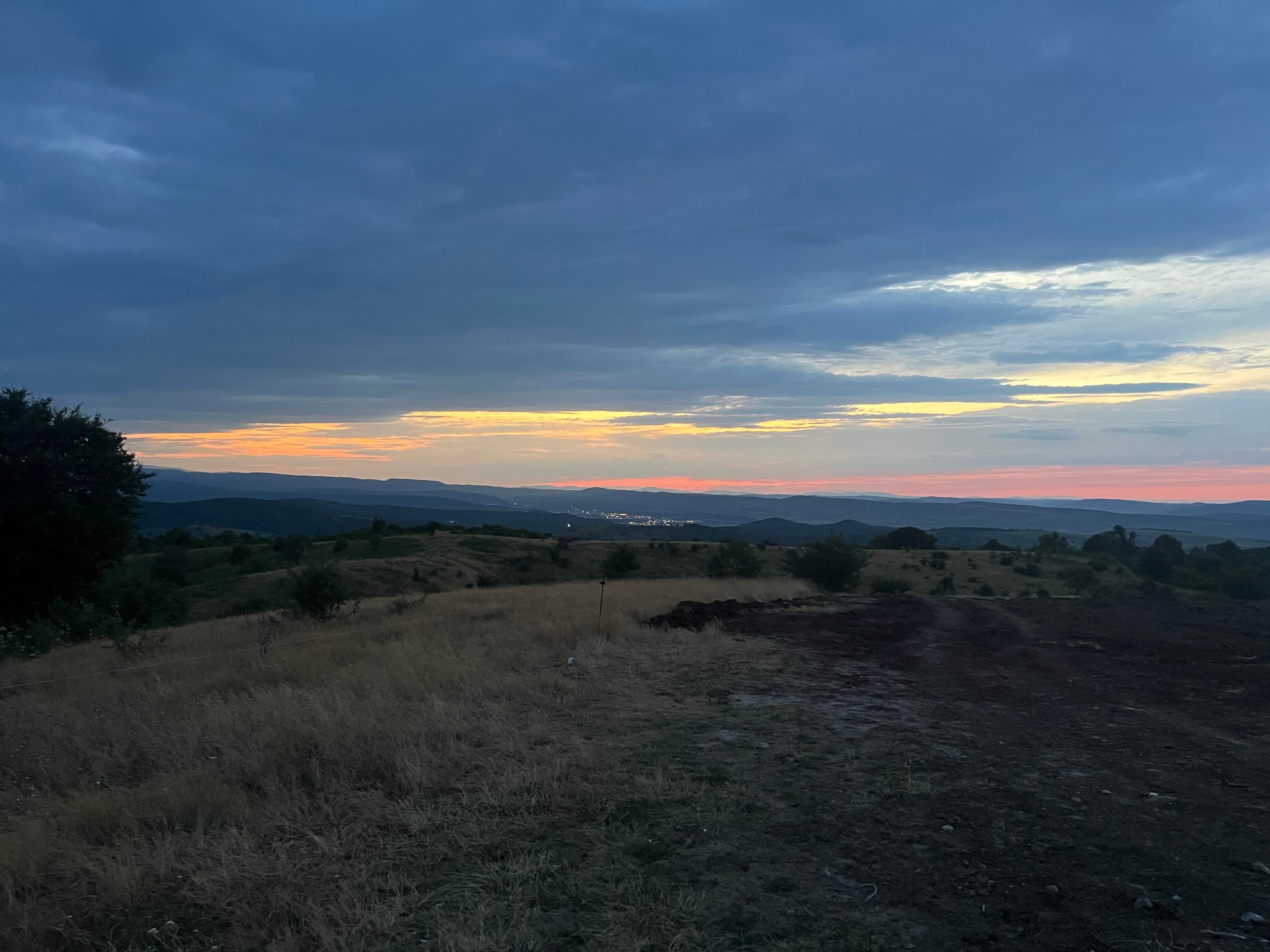
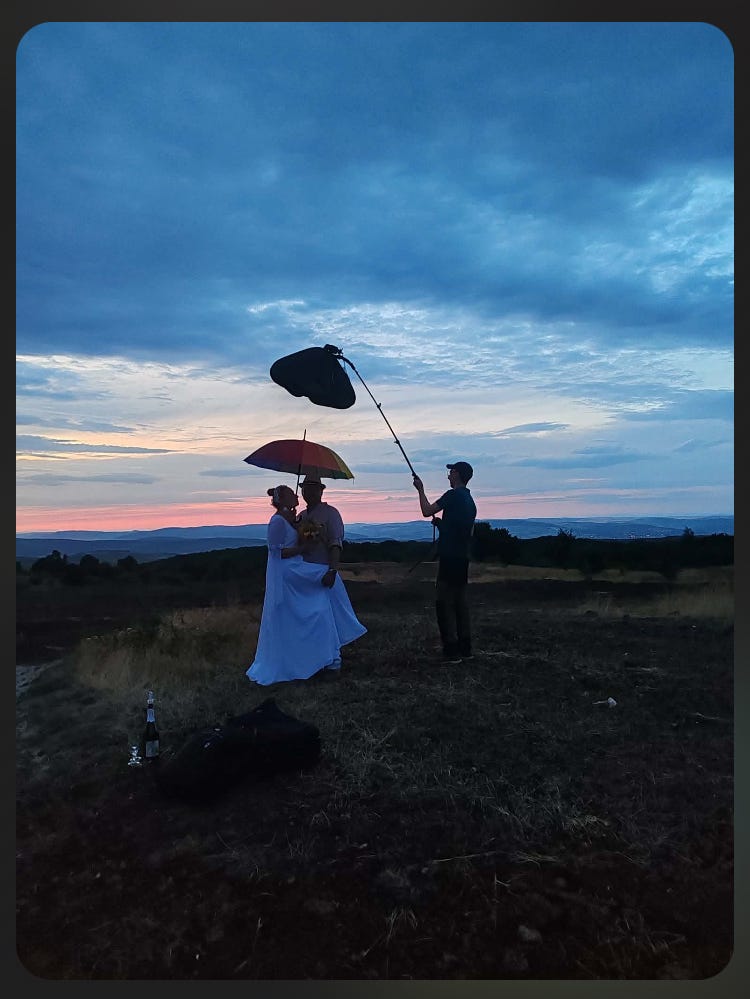
Although it wasn’t as high, the view was much better, and we finally got a good look over the city. While we were admiring it, a photographer was conducting a wedding photoshoot nearby. When he walked over to us, we assumed he was about to ask us to move. Instead, he politely asked if we could help him. Peti held one of the photographer’s lights while he captured a beautiful shot of the couple standing beneath an umbrella.
We went home, watched a bit more Erdély TV, but unfortunately didn’t come across any more broadcasts worth rearranging our plans for.