
Warlocks of Northern Denmark
What would the price of your soul be?

A warlock or a Troldkat as they were known here, was a master of witchcraft, a figure who wielded power both to harm and to heal. More than a man of prayers, he could undo the spells of others or inflict his own curses. Many carried with them the infamous book known as *Cyprianus*, filled with dangerous incantations. One tale tells of a horse breeder who kept losing animals. A Troldkat advised him to bury a dead horse upright beneath the stable door. From that day forward, no horses died. Yet the Troldkat also warned him that his wife would perish within the year, and so she did. Such was the double-edged nature of their craft.
On my island, warlocks walked among us. Some were good, others malevolent. They used a book of spells, a collection that had traveled far across Europe, to both protect and destroy. This is the story of that book, and the people who bent its power to their will, these are the warlocks of Northern Denmark.
CYPRIANUS
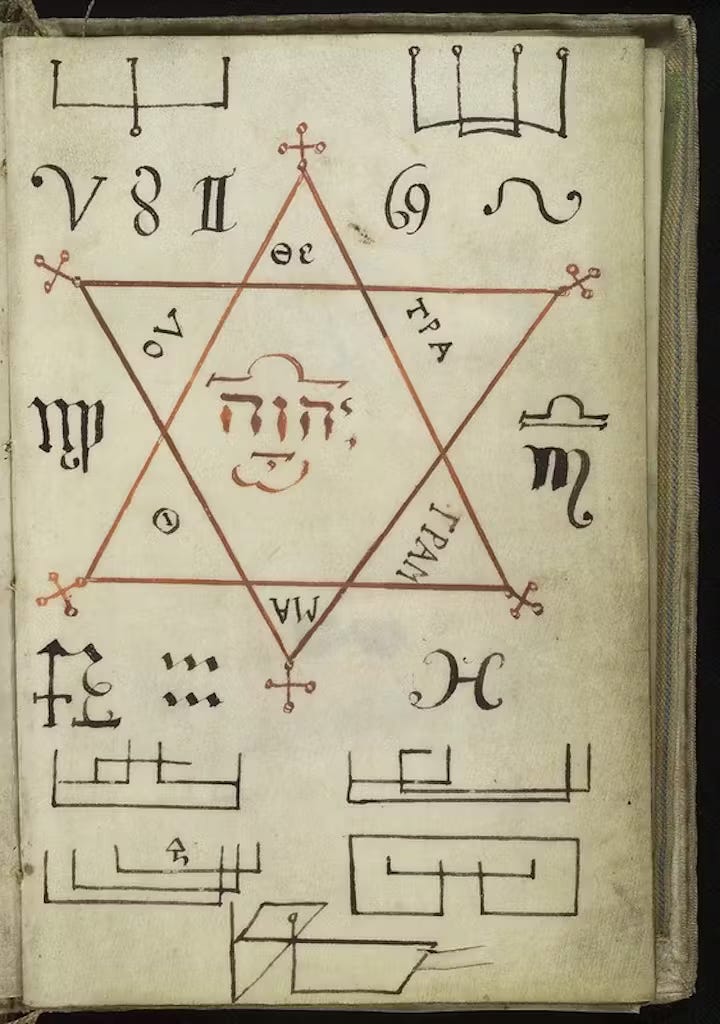
But we cannot talk about warlocks in Denmark without first talking about Cyprianus. Known as the “mean book,” *Cyprianus* was a tome of sorcery and witchcraft. Legend says it was first written by Cyprianus, a Syrian bishop who, before turning to the Church, had been a warlock of considerable power. Another tale claims it to be the lost Sixth Book of Moses, a volume the Devil tricked Moses into writing after the five biblical books, filled with sorcery learned during the Jews’ thralldom in Egypt.
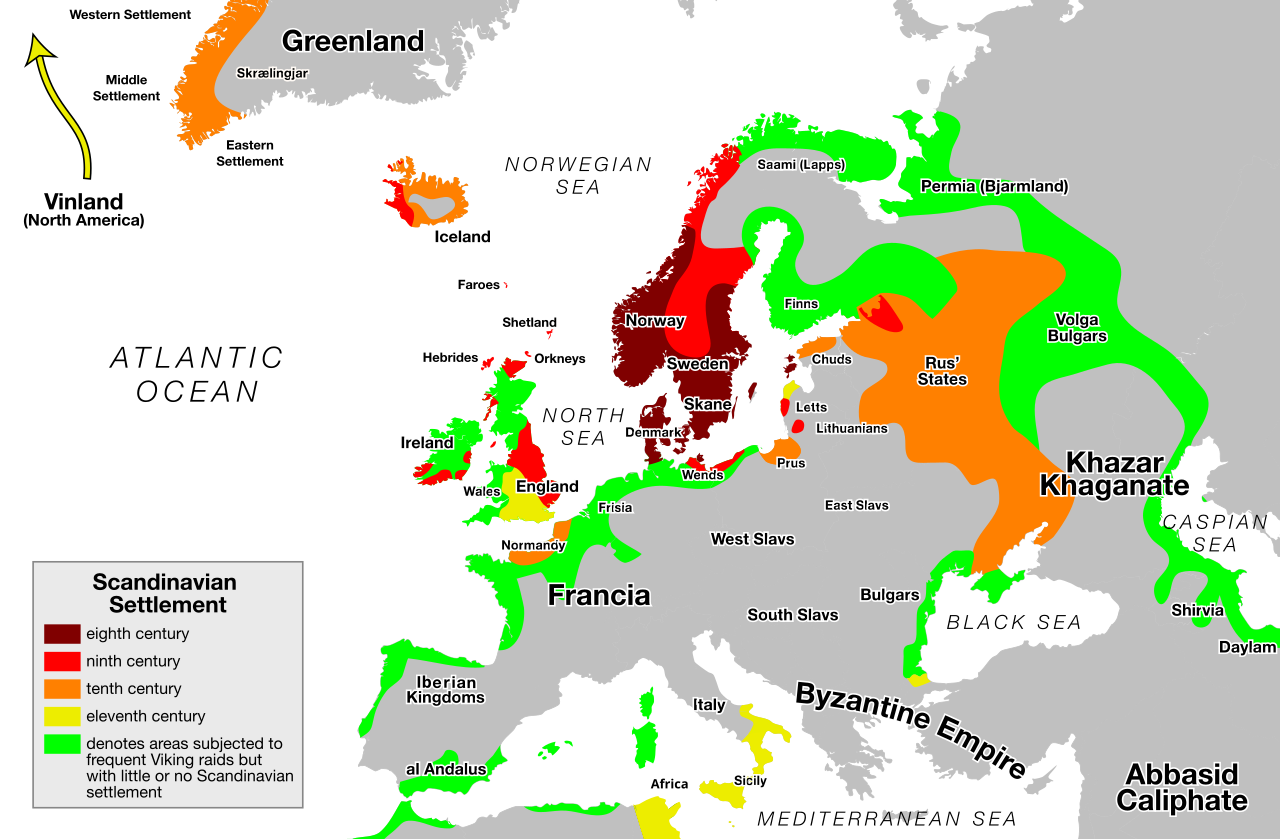
Whatever its origins, *Cyprianus* made its way north. During the 11th century, the Normans held settlements in the Mediterranean, and it was likely during this time that the book traveled into Europe. Hand-copied, one version at a time, it eventually reached Northern Jutland in the 1800s and became the book preserved in my region today.
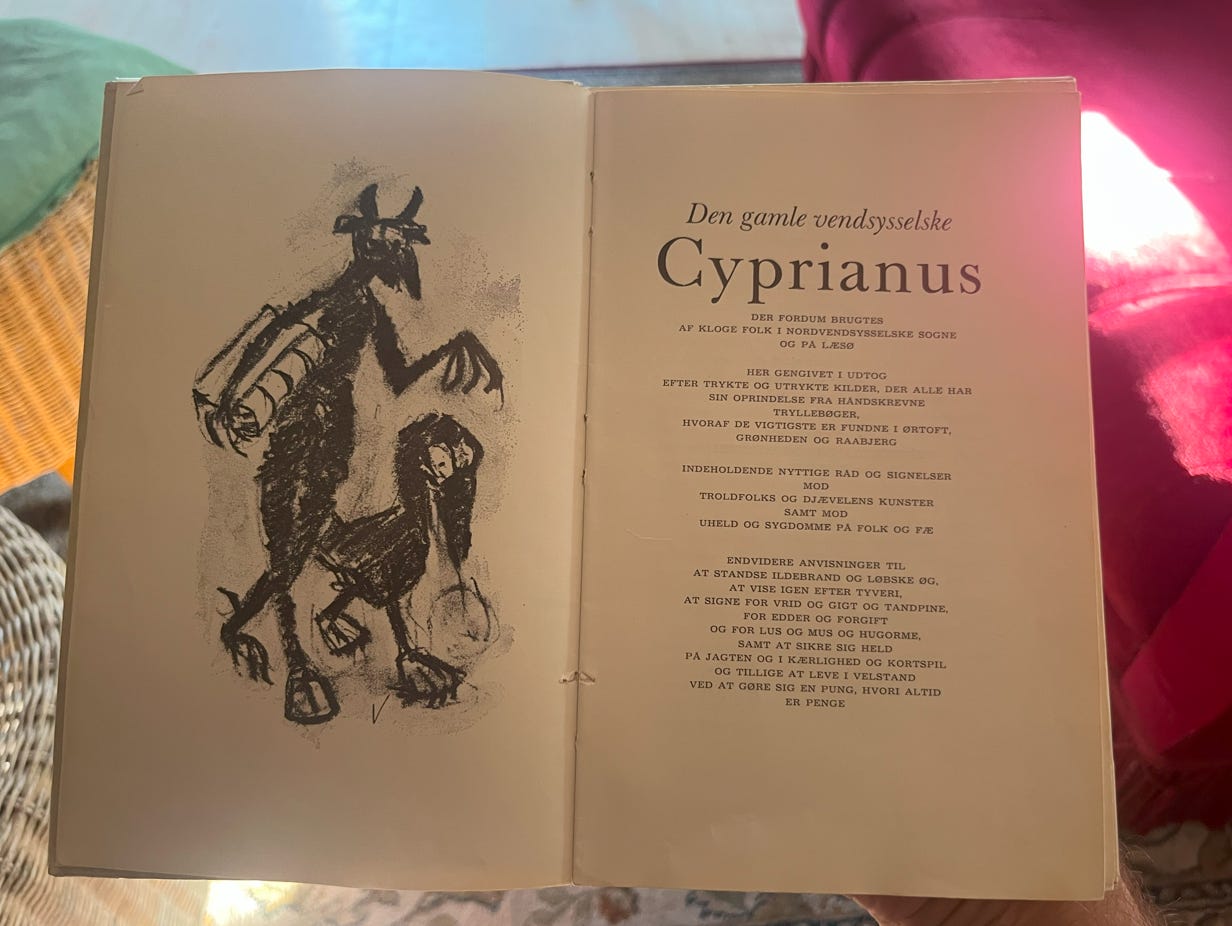
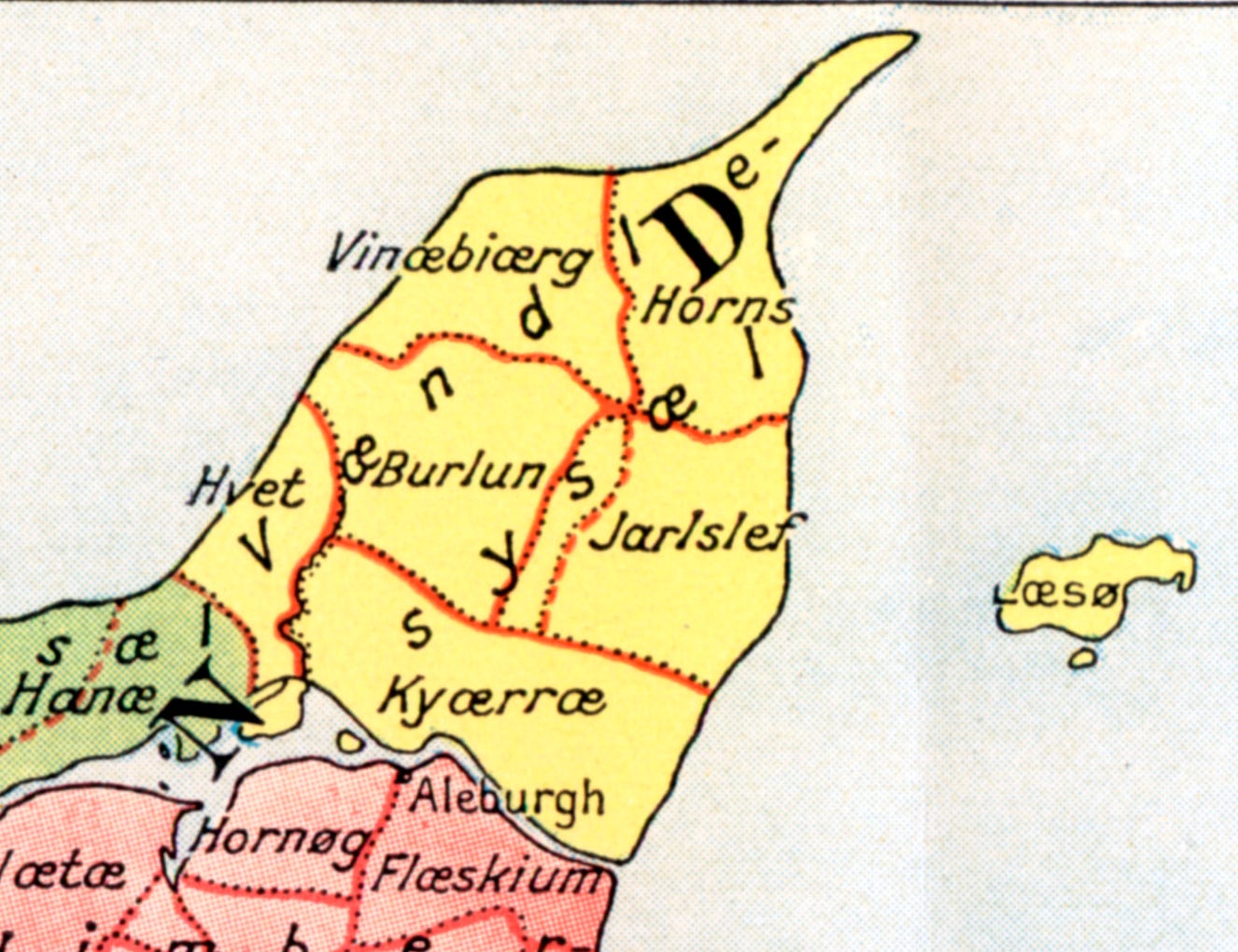
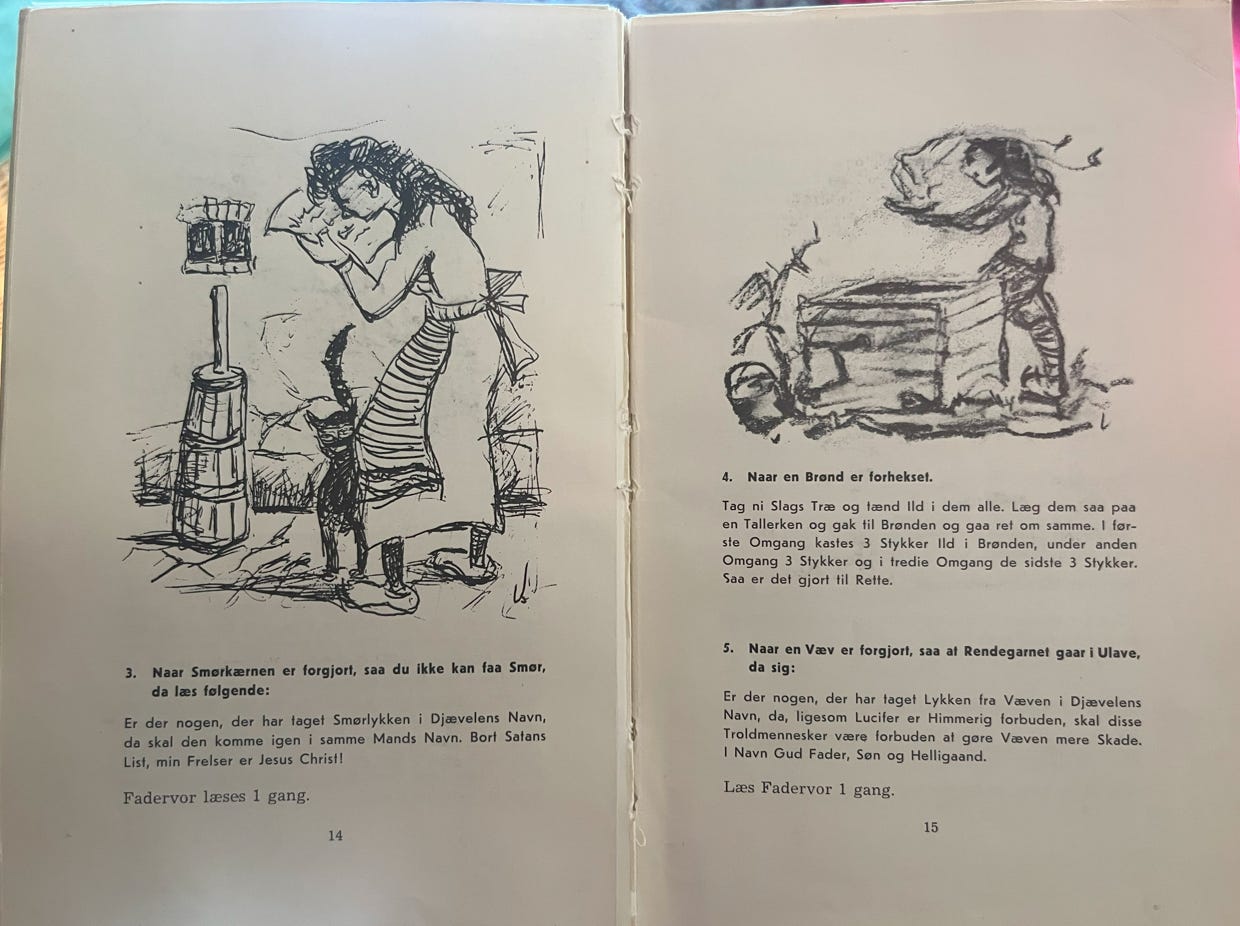
In earlier centuries, the old Vendelbo *Cyprianus* was used by wise folk across Vendsyssel and the island of Læsø. The surviving versions, drawn from both published and unpublished sources, all trace back to handwritten spellbooks. The most important manuscripts were discovered in Ørtoft, Grønheden, and Raabjerg.
This Danish *Cyprianus* offered practical magic: cures for illness, remedies for poison and arthritis, protections against devils and witches, ways to halt fires, find thieves, or keep money in one’s purse. It promised success in hunting, love, and games of chance. To read its pages was to step into a world where prayer and sorcery were indistinguishable.
Around fifty handwritten *Cyprianus* books survive today, along with a few printed versions. Many are riddled with spelling mistakes, garbled Latin, and half-remembered German verses. They are found across Denmark, though most hail from Jutland. The three most complete come from Vendsyssel. The Ørtoft *Cyprianus*, the most famous, dates from 1824, though likely written earlier by a wise man named Christen Steendahl. He was rumored to have practiced sorcery for profit, selling copies of the book. The Raabjerg *Cyprianus* was printed a few years earlier, around 1822. Another version surfaced in the 1870s among a woman’s belongings, shorter and different from the rest. A fourth was lost in a fire in Blokhus in 1915, but its content matched the Ørtoft manuscript.
What shocks the modern reader is not only the mingling of Hail Marys and Our Fathers with invocations of Satan and Beelzebub, but that these blasphemous-seeming texts were often intended to protect Christians from misfortune. It suggests that alongside this “light” *Cyprianus* a book for defense, there must once have existed a darker counterpart used by warlocks who had sold themselves to the Devil.
Dark magic relied less on words than on acts. Bones, mutilated animals, cloth, or enchanted plants were buried in walls or thresholds. Strange knots were tied and hidden in barns. The rituals were carried out in silence, often at midnight, with only a whispered invocation. Their power lay in sacrifice and chaos — remnants of ancient heathen practices.
By contrast, the light arts leaned heavily on Church tradition. Centuries of Catholic rule had taught people to believe in the power of hymns and Latin verses, even when the meaning was lost. As Peder Palladius, a traveling church historian, observed, witches had learned their “riddles” from monks. Indeed, many *Cyprianus* spells are little more than distorted monkish prayers, ending with Jesus’ last words on the cross, mangled almost beyond recognition.
The spells themselves often seem quaint: charms to unstick butter churns, blunt swords, or secure a lover’s affection. Yet one stands out, a protection spell requiring that it be cast on Walpurgis Night, the witches’ gathering on Brocken or Tromsø. Another betrays its medieval age by naming Jews, not Romans, as the crucifiers of Christ.
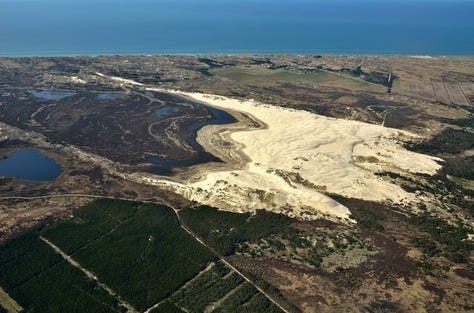
(Raabjerg is incidentally home to it’s own dune beast that awakened in the 1500’s. It too buried a church, and unlike the island dune beast it is till active, but nowadays it is slowed down quite a bit. It’s 40 meters tall and travels 15 meters North East every year, and in 200 years it will sever the town of Skagens connection to the rest of Vendsyssel.)
Now that we’ve seen the book that was used to cast spells, lets meet the men that cast them, the titular warlocks of Northern Denmark. Below I bring you the tales of the 3 most powerful warlocks in recorded local history, and the tale of a woman who we will talk more about in the future. I have verified the stories of 2/4 people I will tell you about, and I leave it up to you to guess who.
JØRGEN PYH
Jørgen Børum Poulsen, better known as Jørgen Pyh, was one of the island’s most feared Troldkatte. Stories paint him as a man cloaked in shadow, whose powers deepened with age.
One time he and Svend Strøm Svendsen were out in a dinghy salvaging sacks of wheat from a beached ship. This is the same Svend from earlier in case you were wondering. During the work they got the idea to salvage a couple of sacks for themselves, so they hid 2 sacks in their dinghy that they didn’t report with the rest of the salvage. Now they just had to get those 2 unregistered sacks onto land. They each grabbed one and started walking towards the shore, but then they saw that the bailiff was up on the beach patrolling. Svend got scared but Jørgen said “pyh, you don’t have to worry about it, just give me the sack”. Jørgen then took both sacks and the two continued their walk towards the shore. The sacks were slowing Jørgen down and he fell out of step with Svend. Svend noticed Jørgen falling behind, but when he turned around to see him, he wasn’t there. But he was. Svend couldn’t see him, but he could hear him ho’ing and heaving behind him, he was invisible.
When they passed the bailiff, he asked Svend if there weren’t 2 of them before, and Svend said that Jørgen had gone back to the dinghy to empty it of water. The bailiff didn’t ask any more questions, and the 2 continued with their stolen sacks. The one downside of the invisibilty incantation is that it doesn’t cover the casters feet soles, and if another person sees the soles of a warlock while he’s invisible, the spell will loose it’s power and he will once again be visible. That happened while Svend and Jørgen were climbing up a sandbank. Jørgen was in front of Svend, and while he was scampering up the bank, Svend saw the soles of Jørgens feet, and then the rest of Jørgen reappeared.
It's therefore recommended that if you hear someone walk that you can’t see, that you take a hooked cane and sweep the feet of the invisible person so that you can get a look at their soles and then the person.
Jørgen also had the ability to hypnotize people so they thought they were somewhere else, and when he was on his deathbed, his living room filled with the fluttering of phantom birds.
After reading about Jørgen I was fascinated by his ability to turn invisible because it’s not an ability that is found in the good Cyprianus book I talked about earlier, and I figured that meant that it was a dark spell, which fit well with Jørgen’s character as he seemed to have a dark aura about him, that got darker and darker as he got older.
After months of searching I found two different invisibility spells in the travel journals of Evald Tang Kristensen. He was a memory collector who travelled around Denmark after feudalism ended, because he knew that the peasant way of life would change, and he wanted to record their stories. Both of the stories I’m about to present to you come from a man we will talk a lot more about in the future, but in short: He was a man who knew about magic and how to create magical objects, but seemed to have no power to wield these objects himself, and he was from a long lineage of people that knew about this kind of stuff. But here are there stories:
THE SOLVING STONE
On midsummer’s night, I once joined two companions, Jens and Klemmen, in search of fern seeds. According to legend, if gathered at the exact stroke of midnight, these seeds held the power to make one invisible. We crept into Restrup Forest, but before the hour struck, the caretaker’s sons discovered us and chased us off. By the time we dared return, midnight had passed, and the seeds were lost. Fern seeds can pass through 9 sheets of paper, but not through a 10th. You can take this 10th sheet of paper and put it under your heel or under your tongue, and then you will be invisible.
RAVENSTONE
Another path to invisibility lay in the ravenstone. One must watch for the first egg laid in a raven’s nest and mark it with a cross. When the chick begins to hatch, the person who marked the egg with a cross must crawl into the nest and hang up a piece of string above it, and hang the chick on the string.. The raven mother, desperate to save her child, fetches a sprig of stonecrop and places it in the chick’s mouth, rendering it invisible. If one steals the sprig, the ravenstone grants its bearer the same power. The one who has hung the chick on the string must crawl up and run his hand across the string until he feels the invisible chick. He must get the stonecrop out of it’s mouth and then the chick will be visible again. The stonecrop is now a ravenstone which can make the wielder invisible if they place it in their mouth.
A carpenter was in service at a big farm out by Randers, and my father got him a ravenstone. The carpenter had told him how to do it. The carpenter was in a relationship with a girl, and there was another guy who also wanted to be in a relationship with this girl, and he had showed up at social gatherings with the intention of beating up the carpenter and stealing his girl, but the carpenter had avoided it every time. He knew he couldn’t avoid it forever though, so he had gotten the ravenstone. One night he saw the other guy dancing with his girl and trying to to put moves on her. He sneaks away and puts the ravenstone in his mouth and turns invisible, and then he sneaks up behind the guy and starts stepping on his heels. The guy gets mad and thinks it’s the guy dancing behind him that’s doing it, so he hit’s him in the head, and that guy of course gets mad because he’s just been hit in the head for no reason, and a big fight breaks out.
After things are settled the girl stealer is looking real bad because he was the one that started the fight, and without just cause, so he gets beaten up by the crowd for that. The carpenter got his revenge and he gave my father 2 coins for his work, and replaced all the hankerchiefs my father had used when climbing up the tree. See he wrapped a hankerchief around the tree and then held the ends, and then he puts his knees up against the tree, and then he started climbing up the tree by sliding the hankerchief up, and then shimmying up on his knees, and then repeating until he was at the top.
THE WANDERING MAN
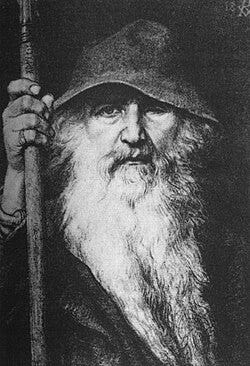
Linjevejen is a road that runs from the Airfield to Østerby, and since before there was an airfield, there has been sightings of a man walking alongside the road. He wears a wide brimmed hat and a long cloak or coat. No matter how fast you walk, ride or drive, you can never catch up to him. You might wonder why anyone would care about a man walking on a road minding his own business, but for one he is often sighted during the dead of summer so his choice of clothing catches people eye, and secondly, a wide brimmed hat and a long dark cloak is what Odin is described wearing. He’s been sighted many times over the last several hundred years, and by many people who are not aware of the legend of the Wandering Man.
I live near the wandering man’s wander route but I have never seen him myself, or at least I don’t think I have. I do often see someone in the distance as I’m driving down the road and I wonder if today will be the day that changes, but it hasn’t so far.
It is not a coincidence that Odin, the most powerful Warlock in the Norse world is spotted in a place that is home to this much magic, but we’ll save the Odin talk for another episode when we talk about Sejd, which is a Nordic form of ancient shamanism that Odin has a very special connection to.
HALS CEMETERY
But we’re not going to leave the realm of the gods just yet, because we are going to go back to a story thread from the Island Draugr Plague article.
We are going back to the church the Dune Beast destroyed in the 1700’s. In Achton Friis’s travel journal from 1924 he writes about the church’s cemetery.
There was always an unrest in that place, even when the church was still standing. There was a spot on the grounds where the grass would always be trampled down and free of morning dew, which was allegedly a sign that the dead had been dancing in the night.
When Hals church was abandoned, the locals began taking things from it that they could use. One person took the baptism font and used it as a water trough for his cows. But from the moment he did, small children could be heard crying and moaning around the area, and no one could figure out where the source of the sound came from, until someone realized that it must be the moans of unbaptized children crying over the desecration of such a holy object.
The bit that sticks out to be is the spot about the grass that is trampled down every night.
I’ve previously theorized that the site of the church could also have been the home of Ægir and Ran, the gods that watch over and rule the island, and I went out to where the church used to be.
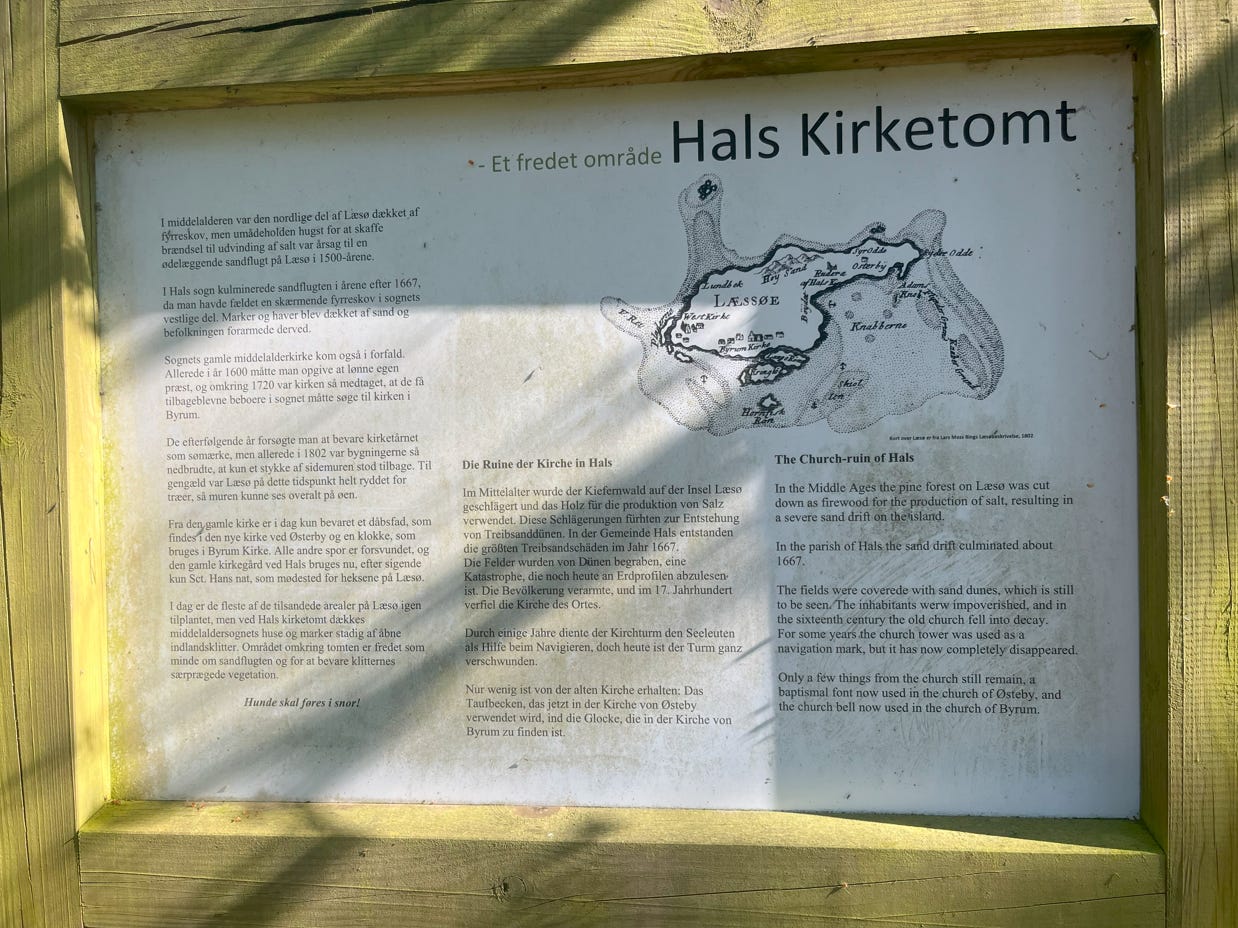
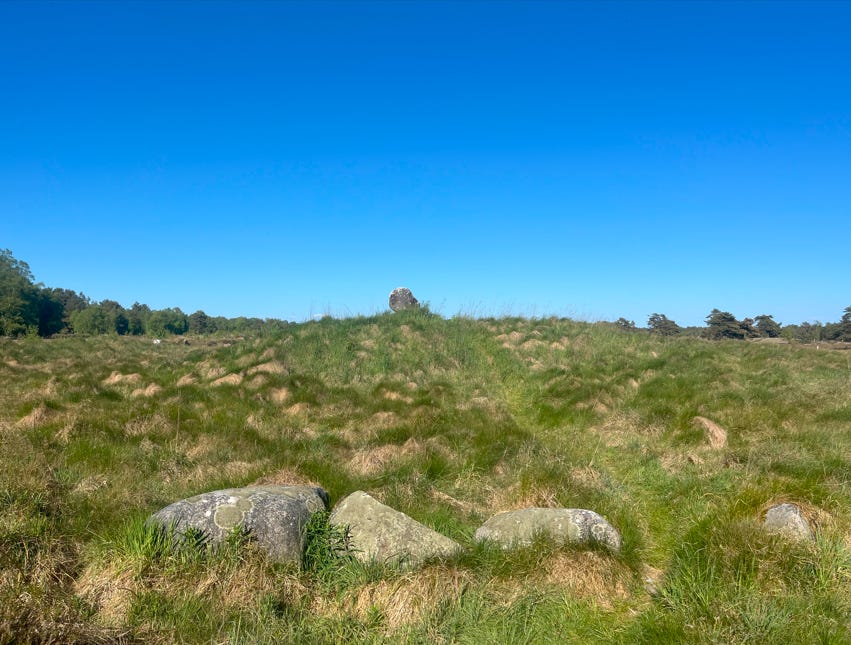
On a plaque I read that on the solstice it’s said that witches congregate on the site because it has special meaning to them, and that got me thinking. From what I’ve read about witch sites, they congregate on places that hold great power, which the grave of a god would of course, and when I walked around the site I noticed that there was a noticeable bump in the landscape where the church once stood. Everything from the church was removed, including the baptism font as we read, so the area should be completely flat, but it’s not.
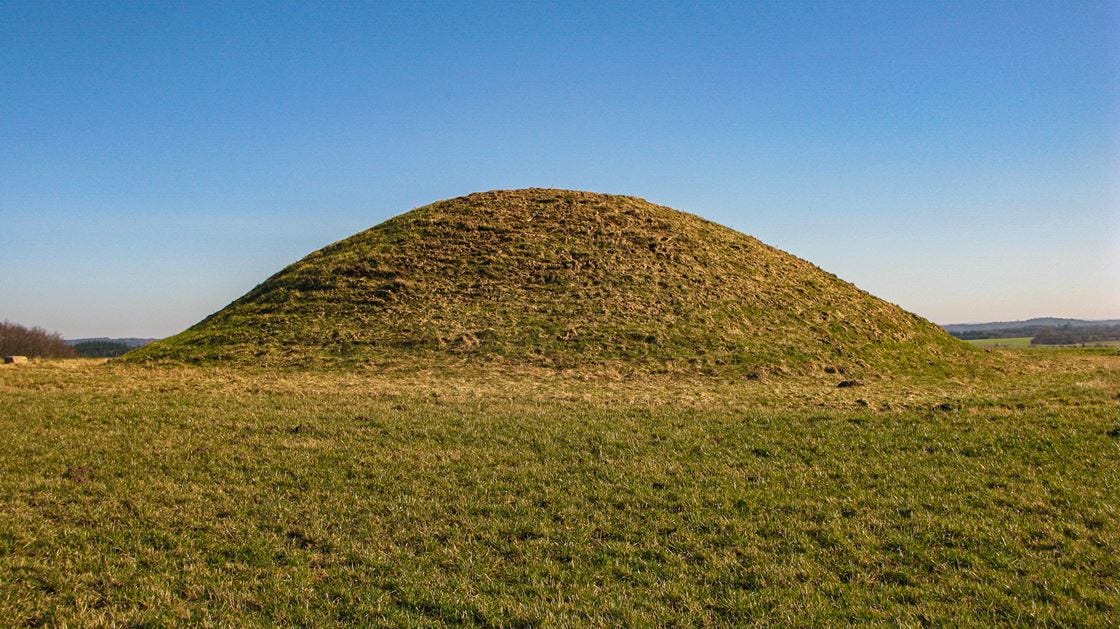
What remains looks a bit like…. A barrow, like the kind of barrows that draugr guards, and that got me thinking.
I looked up a map of barrows in Denmark and found out that there are 85.000 known ones recorded, and even a few here on Læsø.
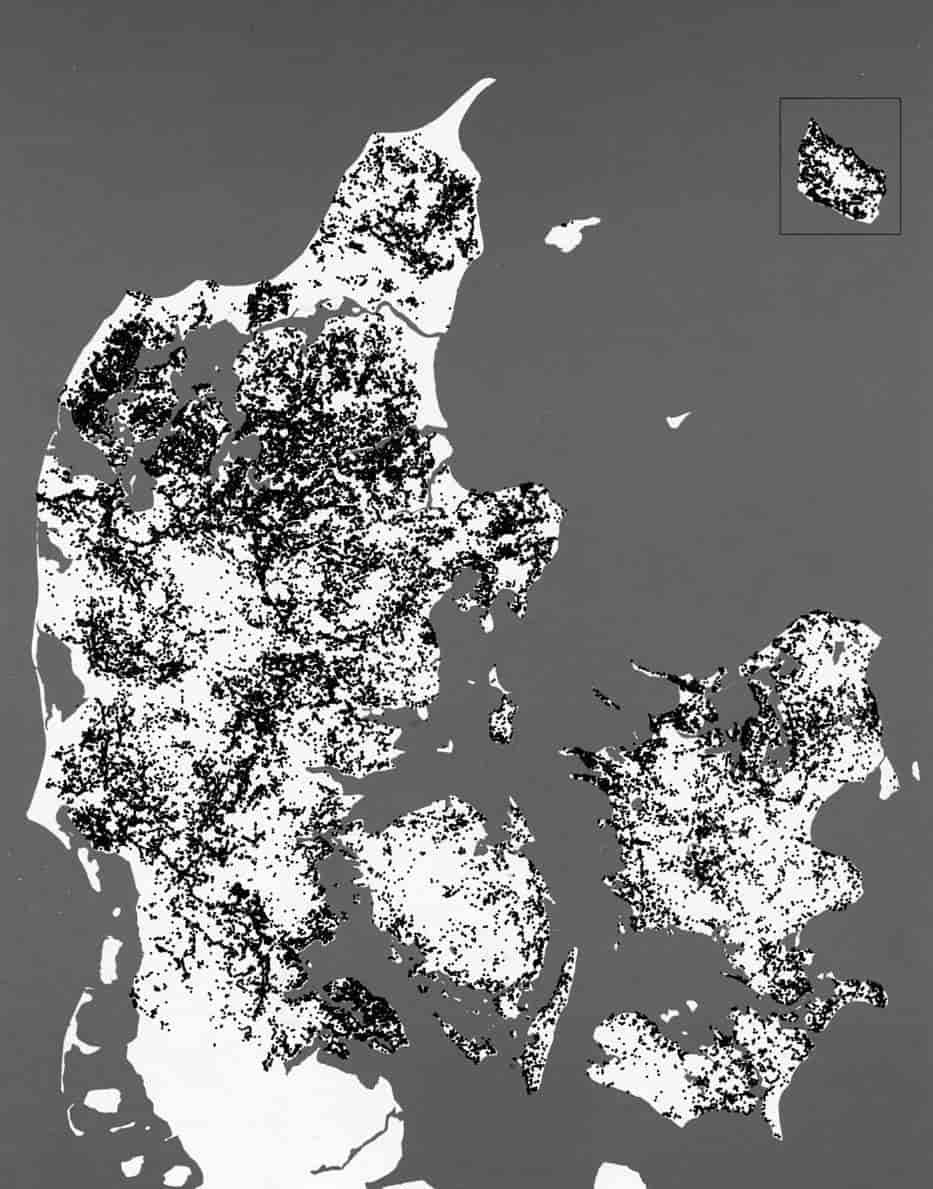
The ones recorded here are from the stone age and not in the location of where the cemetery is, because the island was much smaller back then. But in the iron age and the early viking age there was a settlement dated to be from around 650, near where the cemetery is now, and if there was a settlement they would have had to bury their dead somewhere, like a barrow.
Ægir is in Norse faith a god, but in the Icelandic sagas he is a warlock that is specifically mentioned to be a human, that’s so powerful that he gets invited to Asgard for a feast, and after the feast he invites the gods to come to Læsø where he throws them a feast. If Ægir was a man, then he would eventually die, and since he was the ruler of an island, he would most likely be buried in a barrow, like the one that might be under the cemetery. His wife Ran would have likely chosen to take her own life and go with him into the afterlife, and she could have been watching over his grave and still undertaken her duties of ferrying sailors lost at sea to the afterlife. At least until a sand dune buried her inside her barrow, barring her from literally leaving. And this would also explain why there was suddenly magic on the island. A powerful warlock like Ægir would have still had some power over the island unless he was sealed off from the island itself.
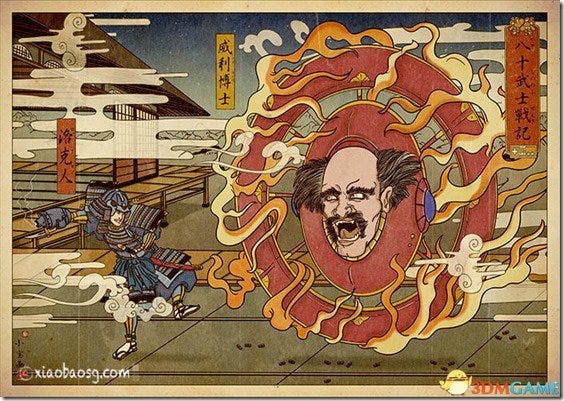
STICK NIELS
In the 1600’s, there lived a man on Læsø that was known as Stick Niels. He was a foul sorcerer and knew odd tricks. He sailed lumber from Sweden to the Island, and the way he did this was that he would carry with him a wooden bowl and wander down to the coast. He would then place the bowl in the water and push it out until it was at an appropriate depth, and then he would mumble an incantation, and the bowl would transform into a full-sized ship. Stick Niels would jump aboard, and off to the Swedish coast he went.
When he then returned with the lumber, he would once again mumble an incantation, and the ship would then promptly shrink in size and once again assume the shape of the bowl. Stick Niels would pick it up and then walk home like the whole thing was completely natural, and I guess it was for him.
Stick Niels could heal the sick, but he could also make healthy people sick, and because of this ability, most people were not comfortable being in his company. One day he was working the fields on a farm, and he was harvesting hay with another karl. The karl got a little too close to Stick Niels with his scythe and Stick Niels told him to keep his distance for his own safety, when the karl didn’t heed this warning, Stick Niels yelled that he hoped the silent devil would enter him, and the result was that the other karl on the spot lost the ability to speak, and never got it back.
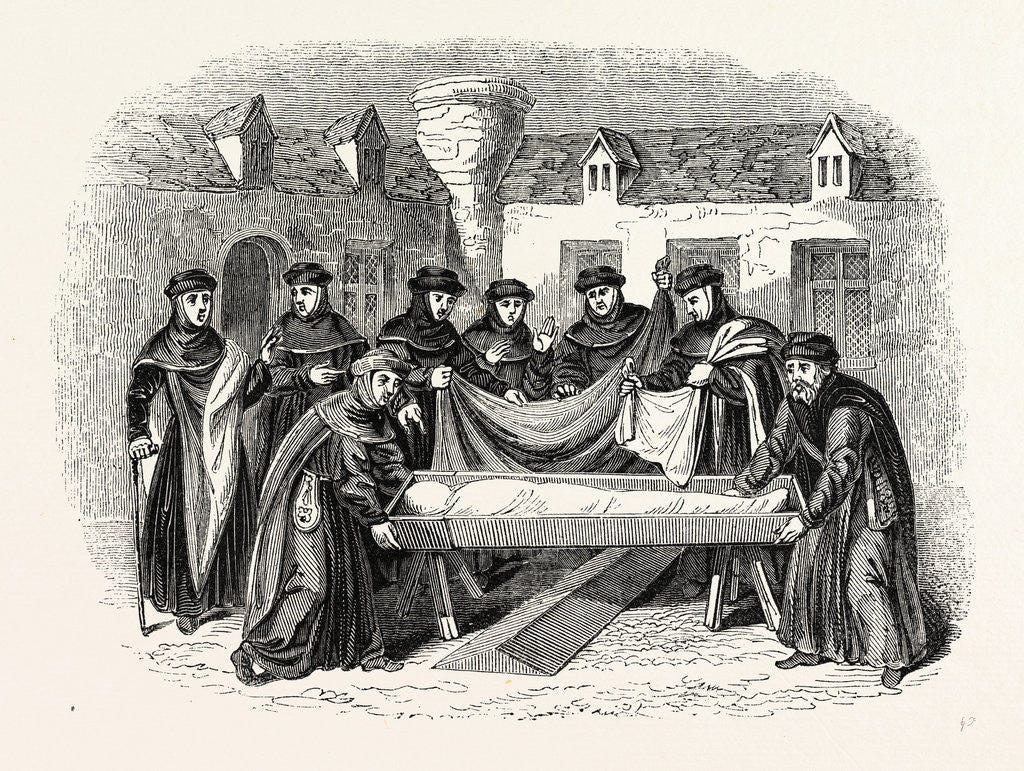
This incident would cost Stick Niels dearly. Folk complained to the bailiff and Stick Niels was put on trial and convicted for witchcraft. He was first placed in a spiked barrel and rolled around, and then he was placed on the wheel and burned at the stake on gallows hill. After the fire died out his earthly remains were buried.
But that would not be the last people would see of Stick Niels. After his death he would haunt the island and could be seen in the shape of a blue flame, or as a flaming wheel traveling as such speeds that sparks would fly. It was said that those that saw the wheel would become ill soon after.
It's not known how Stick Niels was dealt with, but nowadays he is quieter in his hauntings, and they mostly happen on Christmas and new year’s night. But it is a bad idea to speak ill of Stick Niels or tease him in any way, because that will summon him. A lady had once in jest said to a group of people that on her way home she would drive so fast past gallows hill in her carriage that it surely would rattle the teeth in the skull of the dead sorcerer, and as was said as was done, and as she passed by gallows hill, the horses became uneasy and reared and she fell off the carriage, although she was luckily unharmed
What’s interesting about Stick Niels is that he seems to have become a Will o Whisp or a ghost light in his post life, as evidenced by his appearance as a blue flame, but unlike the Scandinavian version where Will o Whisps are magical creatures that lure men into bogs and drown them, Stick Niels follows the British tradition of being a lost soul that the devil has taken pity on and given a piece of coal to warm himself by, one of many cultural imprints stranded British sailors left behind.
I had not heard about Gallows Hill before, and it doesn’t appear on any map of Læsø throughout the ages, but I found a mention of where it was located in an old text and I think I’ve found the location.
Before there was a town where I lived there was Klitgaards Haven, and this was where the magistrate lived and also where the duty office was as well as several other important offices, and it was the largest and most central haven on the island. The island didn’t have towns until the late 1800’s and instead it had havens, a plot of land with sometimes just one building on it that everyone in the haven lived in. They didn’t exactly live like a one family household, the buildings had many wings and sub buildings so it was a bit more like living in an apartment building.
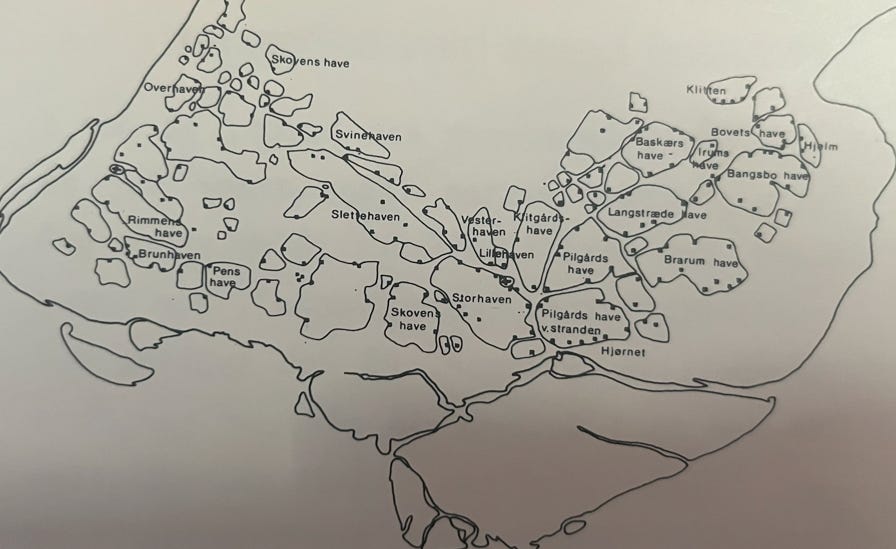
I found a map of the havens from 1650 and I traced it and overlaid it on top of a modern map, and it’s my guess that the gallows hill located in Klitgaards haven would either be where the lookout tower is today, or next door on a hill overlooking a farm.
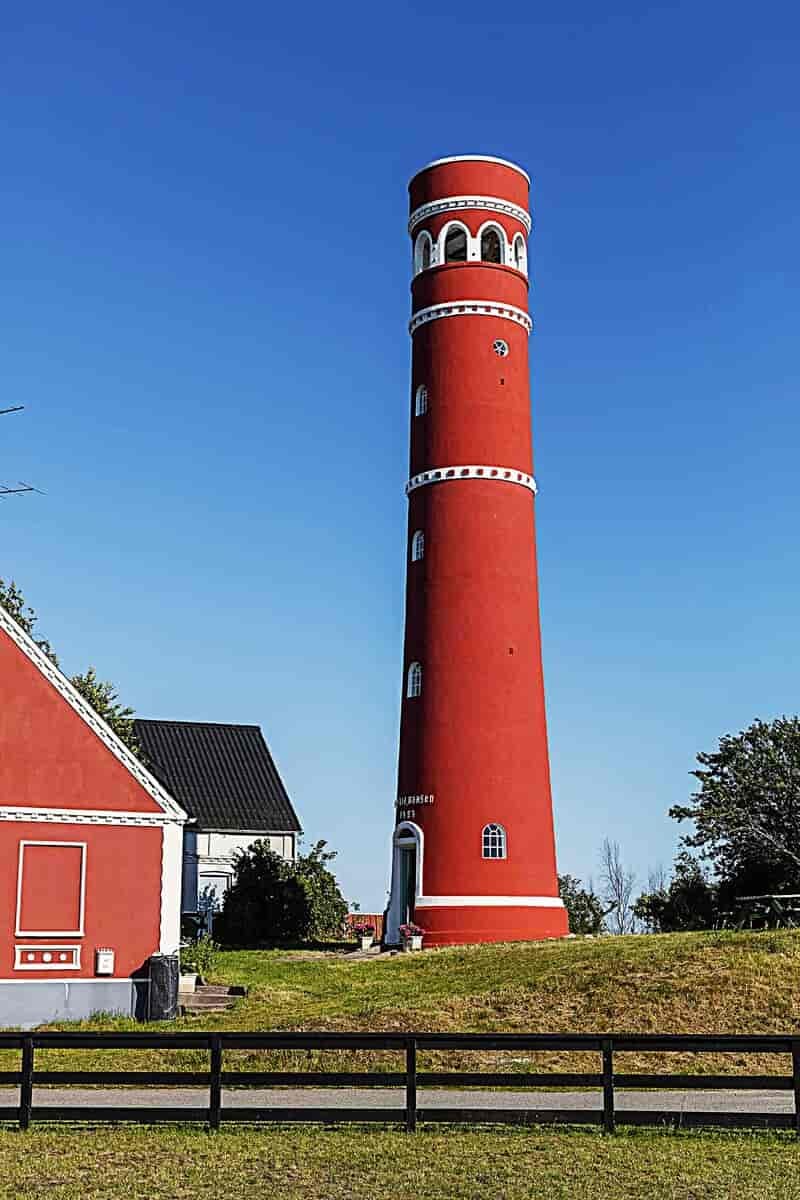
This also fit’s with the story of the lady who fell off her carriage as the islands main road would have went by right here, just like it does today.
So if you want to attempt to summon Stick Niels you will probably want to try and do it at the lookout tower or the surrounding area on Christmas or new years night.
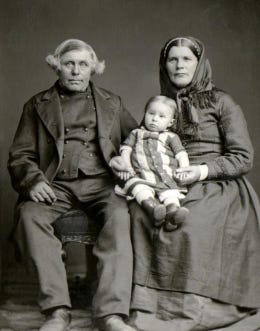
ELSE BJØRNSDATTER
And now it’s time to introduce a person that we will follow on a story, and then on a journey to the mainland where she will introduce us to a man that will tell us quite a few stories about witches and warlocks, and their battle with the devil himself.
Pastor Janson in Byrum wanted to go to Østerby one day, and he wanted to be driven. He went next door to Søren Krogbæk and wanted him to take him with by carriage. Søren said that Else could do it instead, and then off they went. When they were returning that evening, they stopped before Bollesbro because there was something going on, the spectres were out to play. Else asked the pastor if they could take a shortcut and drive along the beach until they could reach another bridge and cross there to avoid going through the haunting. The pastor said no and Else begged, but he was firm and said “No I want to drive on the road”. Moments after saying this the horses reared and screamed, but when Else looked to see what scared them out on the road, there was nothing there. The pastor got off the carriage and took the 4th wheel off and threw it into the carriage, and then they drove over Bollesbro and all the way home without further incident. The day after the pastor showed up and put the wheel back on. It’s been questioned how the carriage managed to get all the way back with only 3 wheels and if that was true, but Else insisted that it was.
What stuck out to me is that the pastor seems to be a bit of a warlock himself.
After I read this story I naturally wanted to go out to Bollesbro and see what would happen after dark, but I ran into a bit of a problem…. There is no Bollesbro on Læsø…. Or is there.
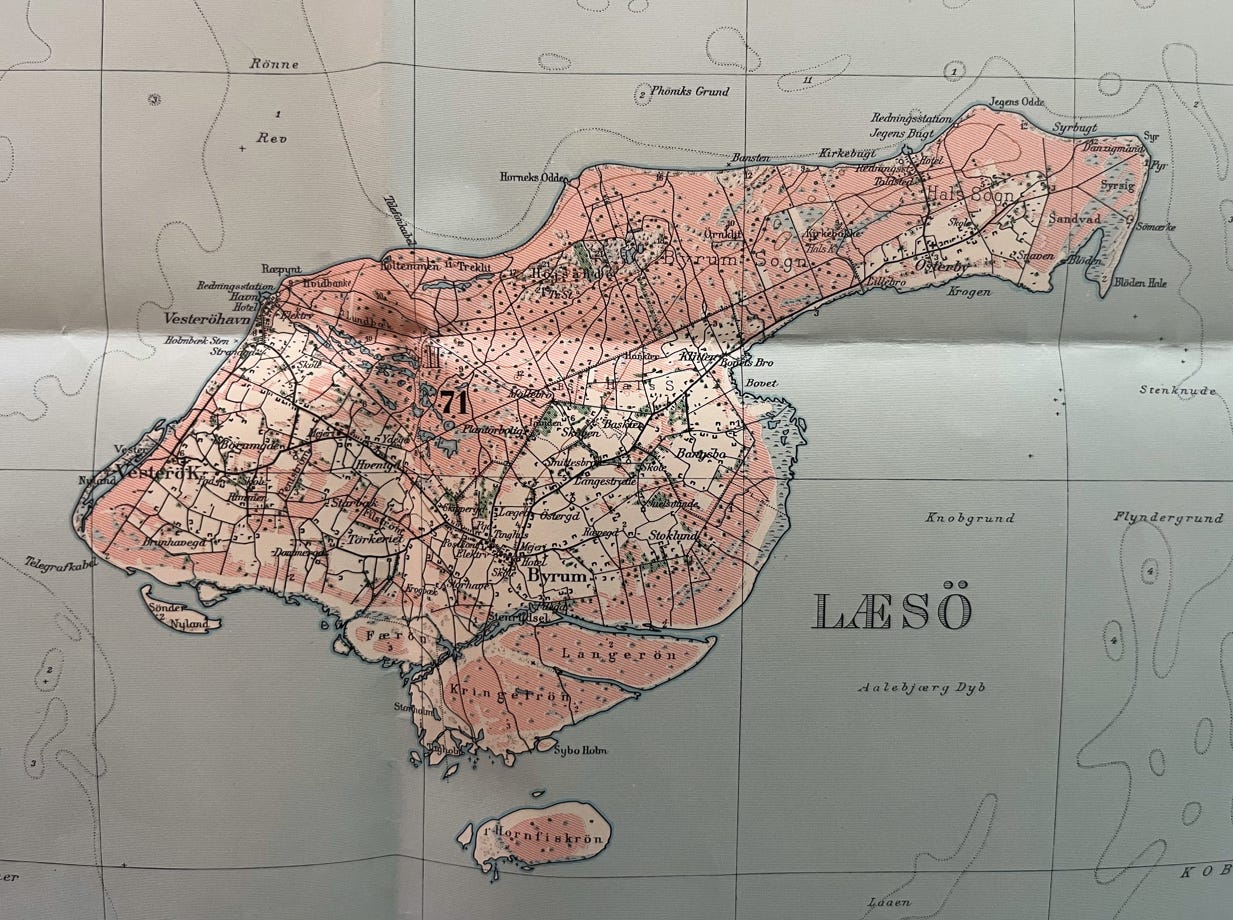
While it doesn’t appear on a modern map of the island, we can estimate where abouts it should be.
Paster Janson would have lived up here behind me near the church, and Søren Krogbæk probably lived at the farm that bears his namesake, Krogbækgård over there.
They went to Østerby which is over on the eastern side of the island, and so they must have been coming from that direction when making their way home.
My initial theory was that they must have made it all the way to the southern end of the island and taken a shortcut there, because there is a bridge there that gives off a weird vibe and that everyone in my town knows about.
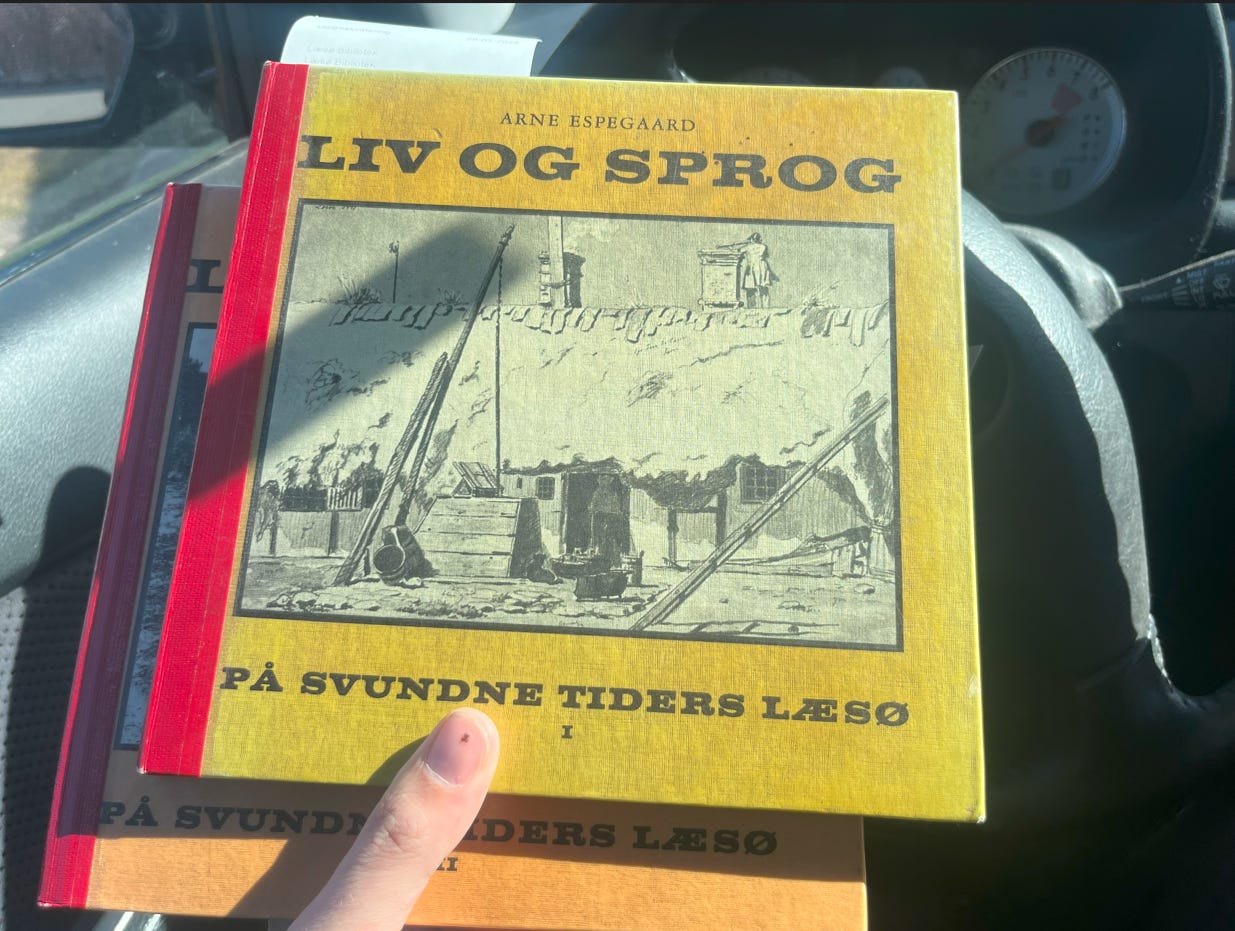
But, then one day I was reading a book about life on a farm on the island in the mid 1800's. It's told from the perspective of someone who was a young man at the time of the events, and the book is a collection of his memories of life growing up on the island. During one of his stories he is accompanying some men on a rescue mission to save the crew of a beached ship, which was a common occurrence on the island due to it’s location and many reefs. After the rescue operation it's too late for the men to walk home, and they're too tired, so they seek shelter at a farm nearby where they docked their boats, and early in the morning the narrator is sent home by his father so he can inform his mother of what has happened.
During his trip home he mentions taking a different route home so he doesn't have to go over THAT bridge. The rescue operation happened here east of Østerby, and the narrator lived in the Dune here, so THAT bridge would have to be between these points, and I think that's the same bridge that Else and the Pastor drove over, and therefore not located where I thought it was down south on the island.
But there is still no bridge on this stretch of road…. Or is there.
Post world war 2 it was decided that every place in our kingdom should be like everywhere else. That meant that animals would be imported to regions where they couldn't migrate to, trees would be planted where they normally didn't grow, and the smallest town and the biggest city would have equally well maintained roads. And in the 1960's that meant that the main road on the island stretching from the west coast to the east coast got upgraded to a nice paved 2 lane highway road.
What if Bollesbro got paved over, and that's why it no longer appears on maps.
I then ordered every map of the island I could from the royal archive. From the 1700's to 1960 and started pouring over them and……. Nothing…… But then maybe.
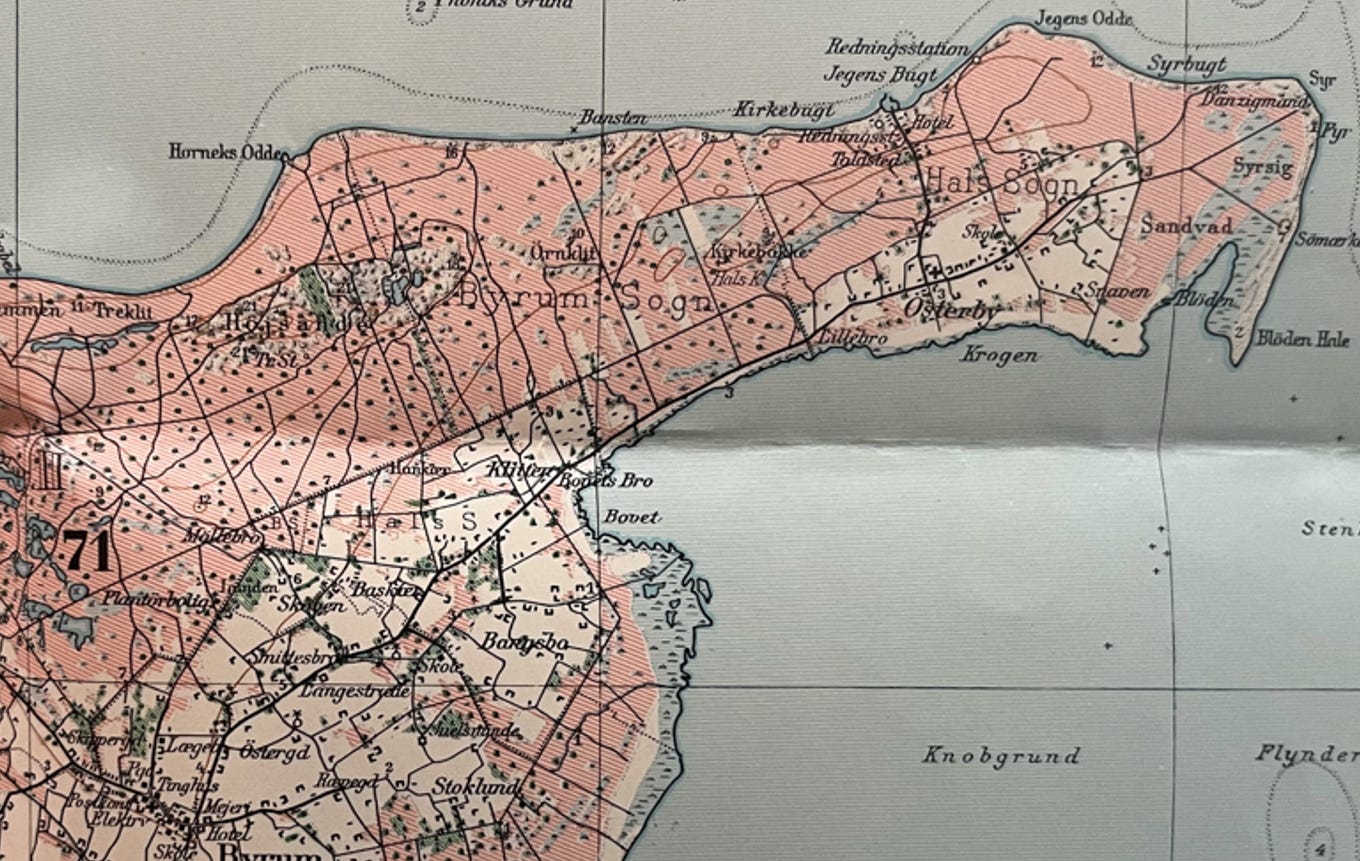
There is a bridge where I thought there would be one on a map from 1939 but it's not called Bollesbro, it's called Bouvets Bro, named after the bay area where it's located…. But could that be it?
I think so. Let's go back to Else. I learned about her ghost encounter when I was reading an ancestry book written by her descendant. In the book he writes a bit how Elses middle name is often written wrong in the records. Her name was Bjørnsdatter or daughter of Bjørn, but it's often written down as Byersted, and the author theorizes that because of Elses thick island accent, Bjørnsdatter sounded like Byersted to the mainlanders, and as someone who lives on the island and have heard the old accents, I can see that being the case. Syllables are optional and most words devolve into a single gutteral sound eventually around here. This is an island where the main town on the island is just called, Town.
So I think that Bollesbro is just what Bouvets Bro sounded like to the person that wrote down Else's story, and when you look at the location of Bouvets Bro, wouldn't you know it, there is a bridge!
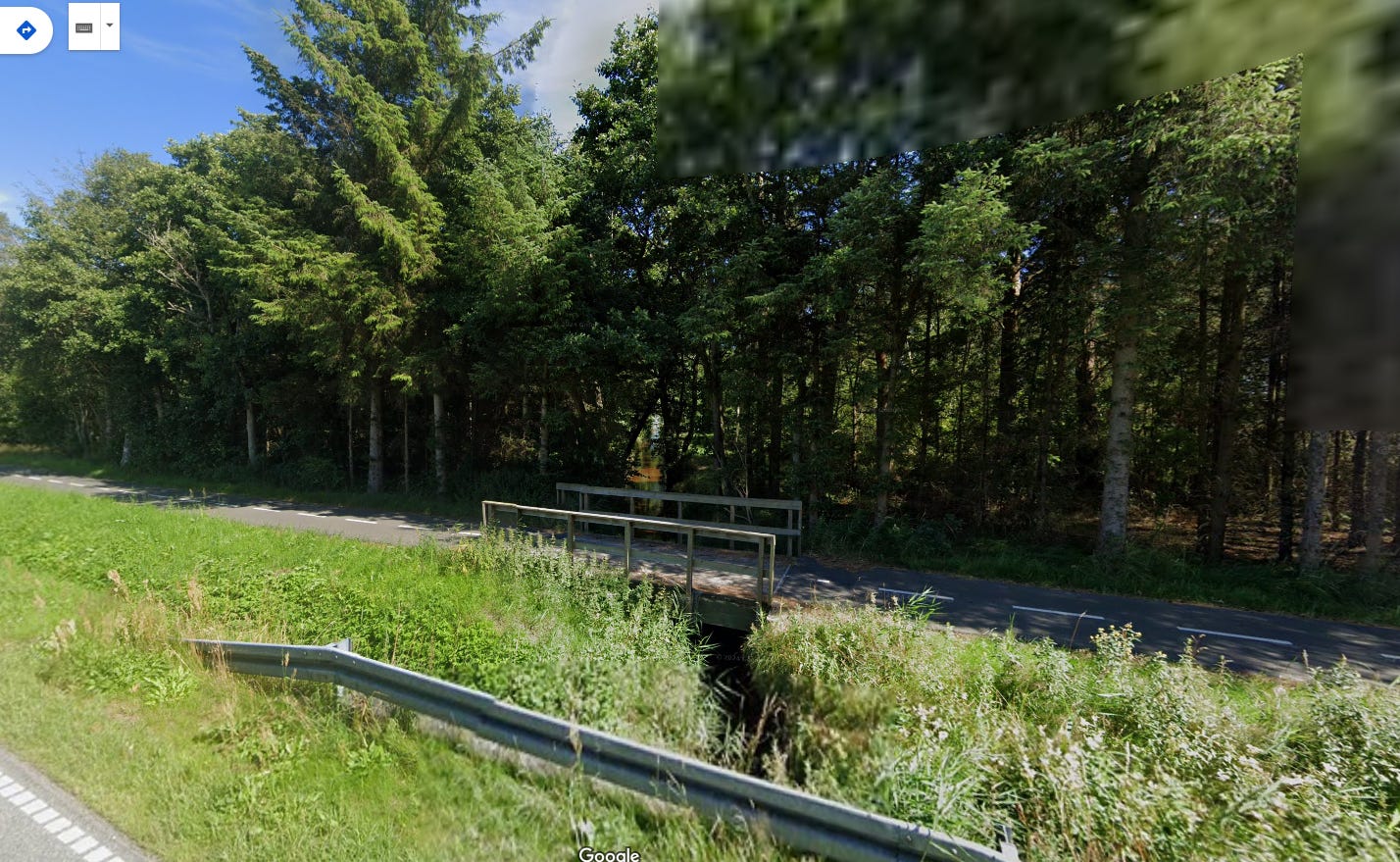
It's not the same bridge, it must have been rebuilt when they built the bicycle lane going from Byrum to Østerby, but it's in the location where Bouvets Bro is on the 1939 map…. And we're gonna go visit
So I drove out to Bollesbro and I was surprised that it's not only the bike lane that has a bridge, the road it’self is also a bridge, you just can't tell when you're driving over it.
I jumped into the creek and started heading south from the bridge to see if I could spot the place where Else wanted to cross, and a couple hundred meters later I did find a spot that would have been a perfect shortcut to get to Krogbækgård.
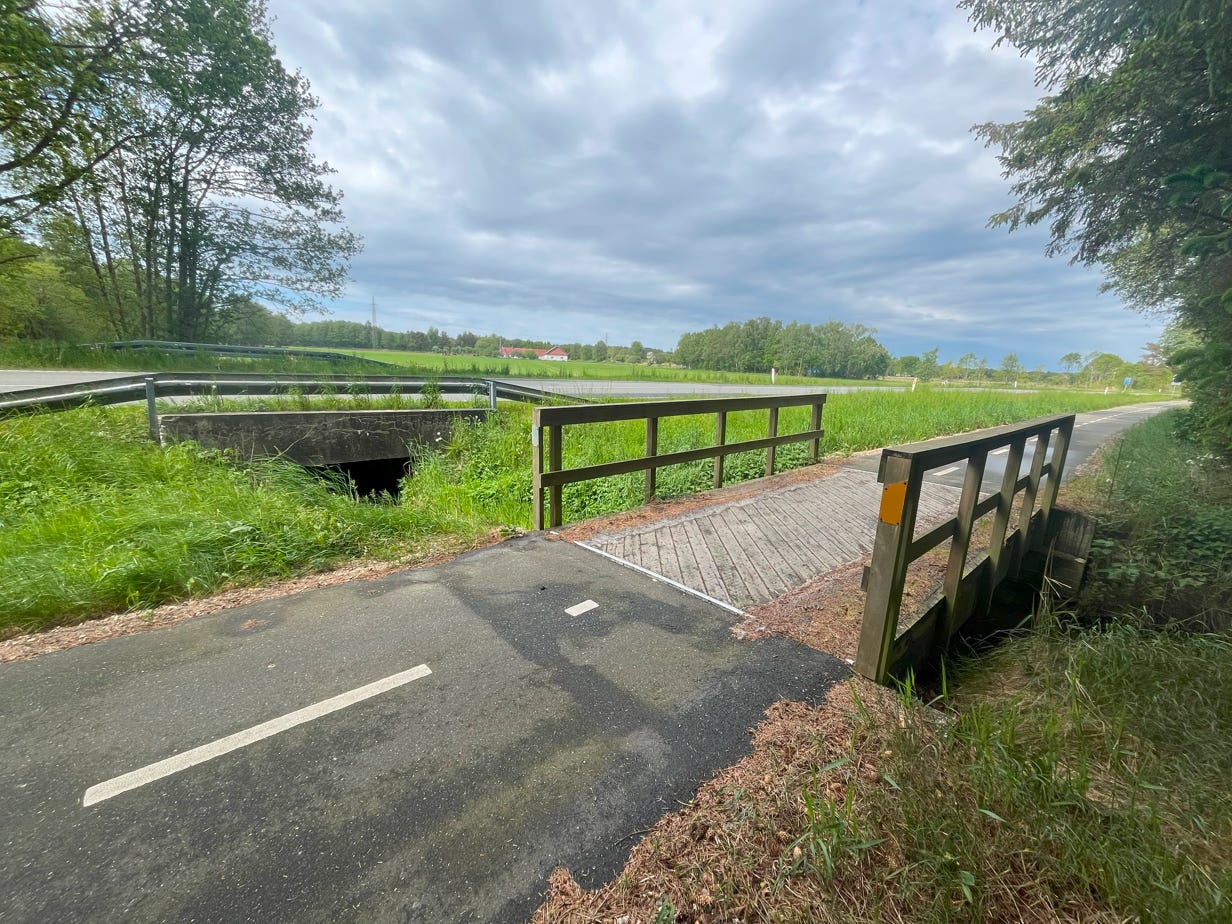
The hauntings allegedly only occur at night and I haven't been back to the bridge since finding out it was haunted, but I've driven over it so many times both in car and on bike and I have never felt anything. I did remember something though, there is a cabin right next to it that I went to a party at one time and there was a weird feeling, so maybe it's not the bridge it’self but the surrounding area. It did look like there could be the remnants of a barrow, but I think the pile of dirt here is just from cleaning out the creek.
In the future we’ll follow Else across the sea. She settles in a tiny town called Sønderholm. It is an absolutely no name town with nothing interesting going on except that it is known as the tiny village with 2 churches. It has a regular medieval Christian church, and it has the sorcery church. A barrow dating back to the stone age that is said to be a portal into the underworld. It’s accepted by the locals to be haunted and there are many stories about odd things that go on around it. It also seems to act as a magnet for other supernatural phenomena, and was allegedly visited by the devil himself many many times.
But that’s a story for another time.